Scientists Can See Aging through Your Eyes
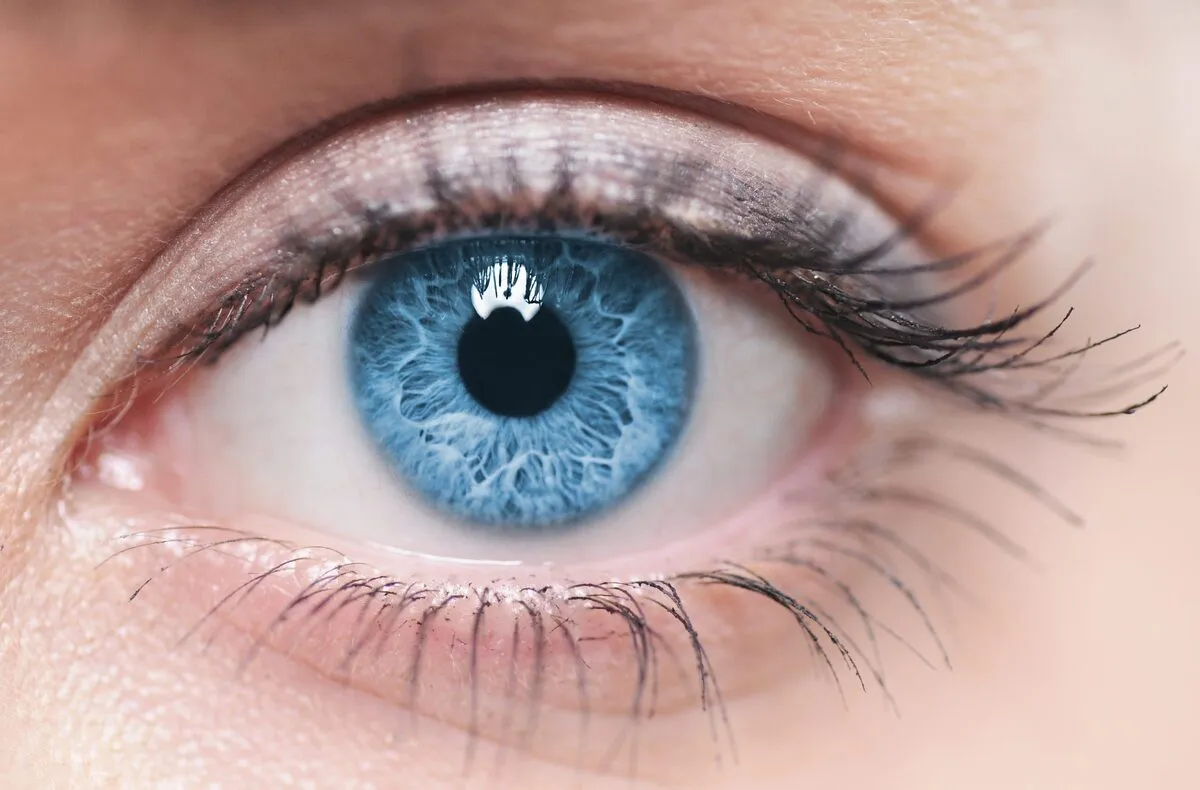
The small blood vessels in the eye could reveal important clues about a person’s risk of heart disease and the rate at which they are biologically aging, according to scientists from McMaster University and the Population Health Research Institute (PHRI) – a joint institute of Hamilton Health Sciences and McMaster. Published in the journal Science Advances, the research suggests that retinal scans may eventually become a simple, non-invasive way to assess the body’s vascular health and aging process. This approach could pave the way for earlier detection of health issues and more effective preventive care.
“By connecting retinal scans, genetics, and blood biomarkers, we have uncovered molecular pathways that help explain how aging affects the vascular system,” says Marie Pigeyre, senior author of the study and associate professor with McMaster’s Department of Medicine.
“The eye provides a unique, non-invasive view into the body’s circulatory system. Changes in the retinal blood vessels often mirror changes occurring throughout the body’s small vessels,” adds Pigeyre, a scientist with PHRI.
For the study, scientists analyzed retinal images alongside genetic and blood data from more than 74,000 people who took part in four large research projects: the Canadian Longitudinal Study on Aging (CLSA), the Genetics of Diabetes Audit and Research Tayside Study (GoDARTS), the UK Biobank (UKBB), and the PHRI Prospective Urban Rural Epidemiological (PURE) study.
Their findings revealed that individuals with retinal blood vessels that were less branched and more simplified tended to face a higher risk of cardiovascular disease. These participants also showed biological indicators of faster aging, including greater inflammation and reduced lifespan potential.
Currently, assessing age-related diseases like heart disease, stroke, and dementia require multiple tests. The hope is that retinal scans alone could eventually be used as a quick, accessible way to assess aging and cardiovascular risk, but for now, the full picture still requires deeper clinical assessment.
Another important aspect of the study came from reviewing blood biomarkers and genetic data. Through this, researchers uncovered not just associations, but potential biological causes behind changes in the eye’s blood vessels. This helped them identify specific proteins that may drive aging and disease.
Two of the more notable proteins are MMP12 and IgG–Fc receptor IIb – both of which are linked to inflammation and vascular aging. According to Pigeyre, these proteins could be potential targets for future drugs.
“Our findings point to potential drug targets for slowing vascular aging, reducing the burden of cardiovascular diseases, and ultimately improving lifespan,” she says.
4155/v