Iran Warns US Against Israeli Influence in Nuclear Talks
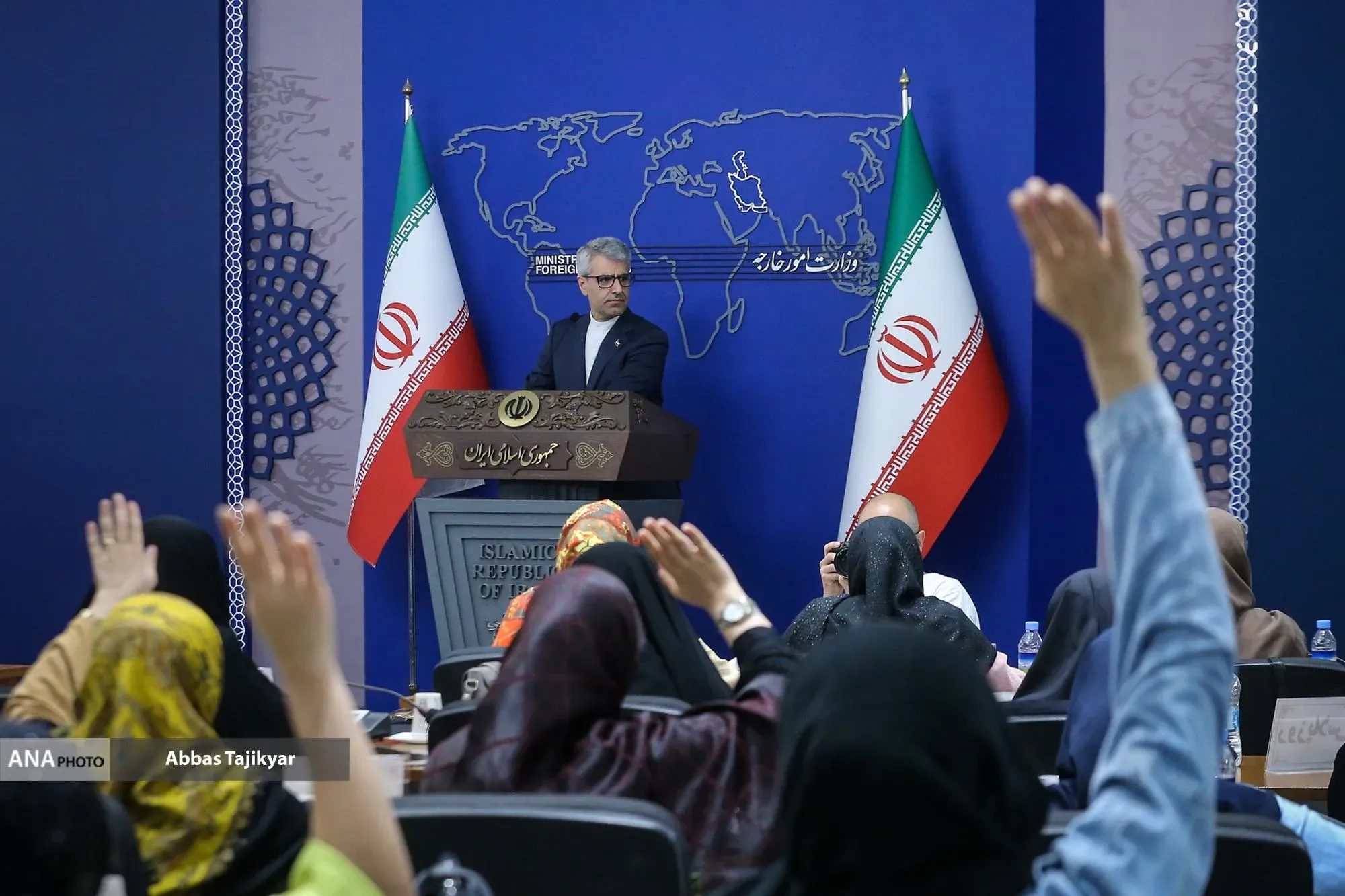
Speaking at a press briefing on Tuesday, Iranian Foreign Ministry spokesperson Esmaeil Baghaei criticized Israel’s role in regional diplomacy, arguing that external actors—chief among them Israel—have consistently sought to obstruct diplomatic engagement between Tehran and Washington. He called on the US administration to conduct its foreign policy independently and without external pressure.
Iran–US nuclear talks
Addressing the resumption of indirect nuclear talks between Iran and the United States, Baghaei said Tehran’s caution is rooted in experience. He noted that skepticism toward the process stems from developments over the past decade, as well as more recent US actions in the last several months.
According to Baghaei, the continuation of sanctions and the persistence of threats necessitate a highly cautious Iranian approach to diplomacy. Nevertheless, he reiterated that Iran has never rejected dialogue, emphasizing that Tehran’s positions are grounded in international law and reflect the legitimate expectations of the Iranian people.
He added that when regional circumstances evolved and other countries encouraged engagement, Iran assessed the situation and concluded that conditions allowed for the launch of a new diplomatic path. While welcoming the agreement to initiate talks and continue the process, Baghaei underlined that this stage marks only an initial step, stressing that Iran will closely assess the conduct of the other party going forward.
He also warned that any hostile action against Iran during the negotiation process would trigger a decisive response.
Israeli role in diplomacy
Elsewhere in his remarks, the Iranian spokesperson described Israel as a central obstacle to diplomatic progress between Tehran and Washington. He stressed that Iran is negotiating directly with the United States, and that the White House must act free of outside influence, particularly from Israel, which he said routinely undermines both regional and even US interests.
Baghaei characterized US alignment with Israeli demands as a structural weakness in American foreign policy, accusing Israel of being the main source of insecurity in West Asia over the past eight decades. He also blamed Israel for manufacturing crises around Iran’s nuclear program, saying repeated claims about Iranian nuclear weapons ambitions are intended to generate baseless alarm.
Drawing on past experiences, including what he described as military aggression in June 2025, Baghaei said Iran remains committed to defending its national interests while continuing to prioritize diplomatic avenues.
Regional developments
Turning to the broader regional picture, Baghaei highlighted ongoing violence in the Palestinian territories and Lebanon. He said that despite declared ceasefires in Gaza and Lebanon, attacks have persisted, including strikes against civilians and environmental damage in Lebanon caused by the use of chemical substances.
He criticized the United States for what he described as tacit complicity, arguing that Washington’s permissive stance toward Israel has contributed to continued instability. Reiterating that Israel remains a long-standing source of insecurity in West Asia, Baghaei also pointed to Iran’s regional diplomacy, citing recent visits by Iran’s defense minister to Baku and trips by senior security officials to Oman and Qatar as part of broader efforts to deepen cooperation with neighboring states and bolster regional stability.