Russian cardiologist identifies blood pressure levels requiring emergency care
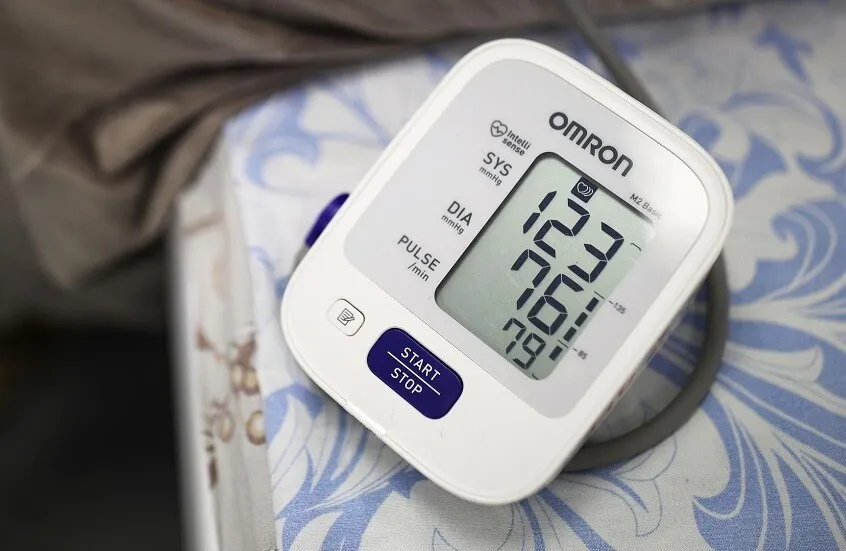
Academician Sergei Boytsov, chief cardiologist at Russia’s Ministry of Health and director general of the National Medical Research Center for Cardiology named after Academician Chazov, said the ideal blood pressure is 120/80 mmHg.
He said a systolic, or “upper,” blood pressure between 120 and 140 mmHg is generally acceptable but should be monitored.
Young women may sometimes experience low blood pressure, Boytsov noted, with readings below 120, including 110, 100 or even 90 mmHg, generally not considered dangerous in the absence of concerning symptoms.
However, he advised older people with low blood pressure to consult a doctor, as it may be linked to inappropriate medication use or reduced heart function.
According to Boytsov, emergency medical services should be called when blood pressure exceeds 180/120 mmHg.
He added that even a reading of 160/100 mmHg warrants emergency attention if accompanied by a significant deterioration in health, such as severe headache, chest pain or shortness of breath.
Boytsov explained that systolic blood pressure reflects the force with which the heart contracts and can often be controlled through treatment plans agreed upon with a doctor.
He said most people with hypertension now take their medication regularly, compared with only 30–40% in the past. More than 60% of people with high blood pressure are currently receiving treatment under medical supervision.