New Ideas
Iran develops technology to identify cancer-affected lymph nodes
(Tehran Ana)- Iranian researchers have developed a radiopharmaceutical for imaging the lymphatic system, helping clinicians identify lymph nodes affected by cancer and improve surgical planning.
New brain surgery techniques offer hope for treatment-resistant OCD and depression
(Tehran Ana)- New functional neurosurgery techniques could help reduce symptoms in some patients with treatment-resistant OCD and major depression by precisely targeting and modulating affected brain circuits.
Iranian company develops nano-based supplement for specialized nutrition
(Tehran Ana)- An Iranian knowledge-based company has developed Neurozome, a nano-based oral supplement designed as part of a shift toward more specialized nutritional products.
Iranian researcher develops water-powered welding device
(Tehran Ana)- An Iranian researcher has developed a device that uses water electrolysis to generate hydrogen and oxygen for producing a flame, potentially reducing the need for gas cylinders in welding and other industrial applications.
Natural pigment production advances in Iran
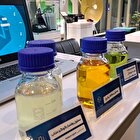
(Tehran Ana)- A knowledge-based company has developed pilot-scale production of beta-carotene and lycopene to reduce reliance on imported pigments.
Researchers develop AI model to predict pancreatic cancer risk
(Tehran Ana)- Researchers at Mayo Clinic have developed an AI model that can identify people at high risk of pancreatic cancer up to three years before diagnosis.
Weak grip strength and abdominal fat tied to higher mortality risk
(Tehran Ana)- People with both excess abdominal fat and relatively weak grip strength had a 97% higher risk of death during nearly seven years of follow-up.
Study reveals two distinct pathways in brain development
(Tehran Ana)- Researchers at Stanford University School of Medicine have found that the human brain developed from two distinct neural systems that evolved independently over hundreds of millions of years.
Royan Institute reports preliminary safety findings from cell therapy trial in autism
(Tehran Ana)- Preliminary findings from a Phase I clinical trial at Royan Institute suggest that intrathecal administration of umbilical cord-derived mesenchymal stromal cells was safe and well tolerated in five children with Level 2 autism spectrum disorder.
Fecal-sludge biochar boosts concrete strength by up to 42%
(Tehran Ana)- Researchers in India have found that biochar made from human fecal sludge can improve concrete strength by up to 42%, potentially offering a way to reduce cement use while recycling waste.
Technology-to-Market






Video





Technology Counter


Trending Stories


