Over-reliance on AI may weaken independent thinking
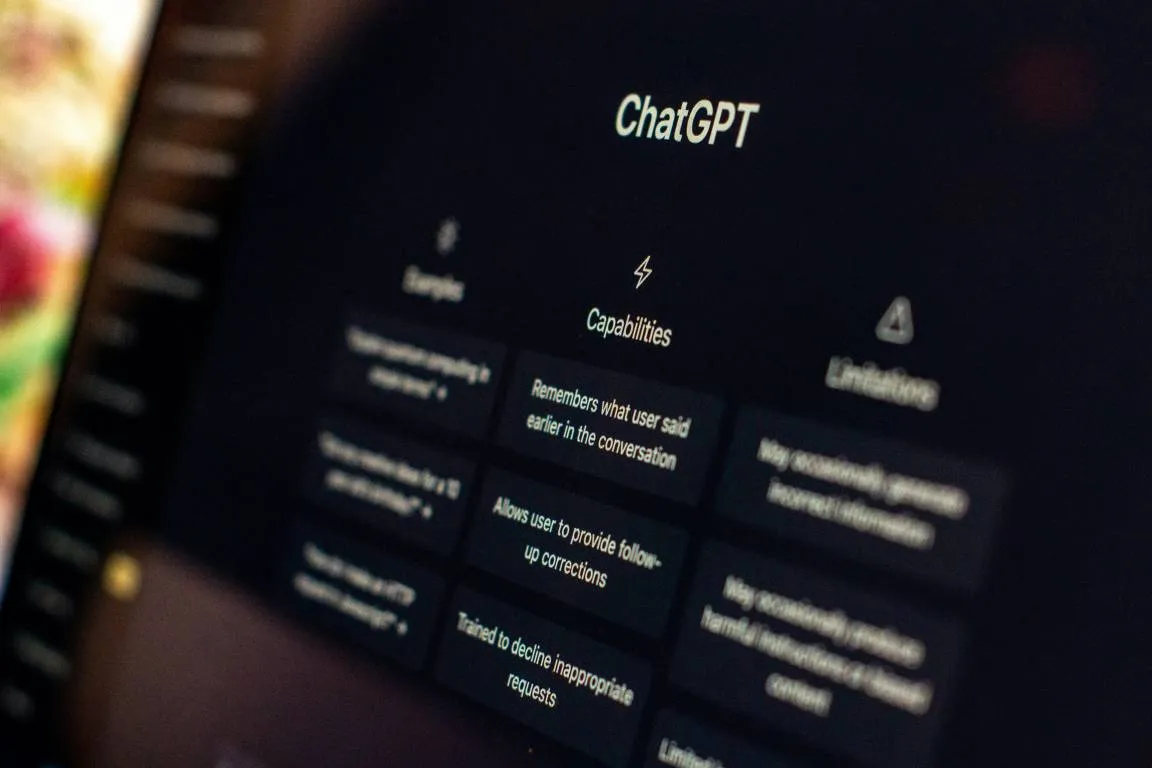
A recent study in Applied Cognitive Psychology, titled “When AI Thinks for Us: Unveiling the Cognitive and Social Toll of ChatGPT Over-Reliance,” looks at the cognitive, psychological, and social consequences of excessive reliance on artificial intelligence. Its findings suggest that habitual use of ChatGPT may weaken users’ ability to retain information. Heavy users of ChatGPT may forget information they have obtained from it, potentially reducing the mental effort they put into the learning process.
The author interviewed regular ChatGPT users. Some participants reported a diminished sense of autonomy and demotivation. As users become accustomed to relying on AI for answers, they may become less confident in their own judgment and more dependent on the technology. So, how can we use this technology to our advantage?
Zeineb Farhat, the author of the article, is an Assistant Professor of Marketing at ISC Paris in France. Her research focuses on consumer–brand relationships, consumer experience, and the impact of emerging technologies on marketing practices and digital transformation. In an interview with ANAtech, she answered questions about her research and the implications of increasing reliance on artificial intelligence.
How does relying on ChatGPT affect the way people remember and process information in everyday digital life?
ChatGPT can make information easier to access and easier to skim. But getting an answer quickly and being able to explain it later are two different things. Imagine asking ChatGPT to summarize a long article. You might get the main points in seconds. If you then move on without putting those ideas into your own words or connecting them to something you already know, you’ve spent less time doing the mental work that helps you remember and understand them.
In a recent study I published in Applied Cognitive Psychology on the effects of over-reliance on ChatGPT, I interviewed 45 regular users about how the tool fits into their daily lives. Participants described having more trouble remembering information, questioning answers less often, and turning to ChatGPT more readily when they needed to think something through. The interviews capture changes users noticed in their own habits. Whether ChatGPT causes lasting changes in memory remains an open question.
A familiar example is asking ChatGPT to summarize a long article. You can get the main points in seconds, but if you move on immediately, you may miss the chance to put the ideas into your own words or connect them to what you already know. Both help you understand and remember what you’ve read. Some participants also described using ChatGPT to reflect on what they were learning. You could, for example, write your own summary first and then ask ChatGPT what you might have missed. That keeps you actively engaged with the material while still getting help from the tool.
Why do some people use ChatGPT as a tool for learning, while others rely on it for answers?
I think it depends on what people are trying to achieve and what their situation allows. If you’re under a deadline, getting a usable answer quickly may be exactly what you need. If you want to understand an idea well enough to explain it tomorrow, you might ask ChatGPT to give you a hint or quiz you. The same person can use it both ways in the course of a day.
Confidence matters too. When you’re new to a subject, it can be hard to know what to ask or how to judge the answer. A polished response can make you feel like you’ve understood something, even if you’d struggle to explain it in your own words. In my research, I also saw users treat ChatGPT as a sounding board for their own ideas. To me, that’s where its value for learning lies. If a student asks, “Where did I go wrong?” after trying a problem, they can use the response to work out what to do differently next time.
How can people use AI in daily life without losing their ability to think independently?
I think a good habit is to form an initial view before asking AI for its opinion. If you’re making a decision, take a moment to write down what matters to you and which option you’re leaning toward. Then ask AI what you might have overlooked or what would make the other option worth considering. Having an initial view gives you something to test and helps you see why you might change your mind.
How much effort you put in depends on the task. I’m happy to let AI tidy up the wording of a routine email. For a decision that matters to me, I want to check the facts that could change my mind and be able to explain my choice in my own words. That’s the test I’d suggest. After using AI, can you explain what you decided, why you decided it, and what might make you reconsider?
Could relying on AI for everyday tasks change how people learn and make decisions in the long term?
Yes, I think it could, because everyday tasks are also opportunities to practice. If you regularly ask AI to recommend an option before you’ve considered what matters to you, you may get less practice weighing trade-offs yourself. Over time, asking AI first can become a habit, even for decisions you used to feel comfortable making on your own. That can work in the other direction too. If you use AI to explain why you got something wrong or to point out an option you overlooked, you may learn something you can apply the next time. My interviews tell us how users describe changes in their habits. The long-term question is whether those habits change what people can do when they’re working on their own.
How might your findings differ across age groups or among people with different levels of digital literacy?
I’d be cautious about drawing conclusions by age from my interviews. What may matter more is the skill someone is developing and how much experience they already have with the task. A teenager who asks AI to draft an essay from scratch may miss practice in structuring an argument. An adult learning a new language faces a similar issue if they use AI to translate every message before trying to write it themselves. I also think digital literacy goes beyond knowing how to write a good prompt. It includes knowing when to verify a claim, how to spot a gap in an explanation, and when you know too little about a topic to judge the answer confidently. Those skills can vary widely among people of the same age.
What further research is needed to understand the long-term effects of AI use on human memory and critical thinking?
I’d like to see studies that follow people for several months and distinguish between different ways of using AI. For example, researchers could compare people who ask for complete answers with people who attempt the same tasks first and then use AI for feedback. They could measure how well both groups perform with AI and then, a week later, see what they remember and whether they can apply what they learned to a new problem on their own. For critical thinking, I’d look at whether people can assess the quality of evidence, spot a weak argument, or explain why they changed their mind. I’d also want to know whether the effects differ with age, prior knowledge, or digital literacy. The question I’d most like to answer is which habits help people build skills they can still use when AI is unavailable.