Honey May Help Protect Skin Cells from UV Damage, Study Finds
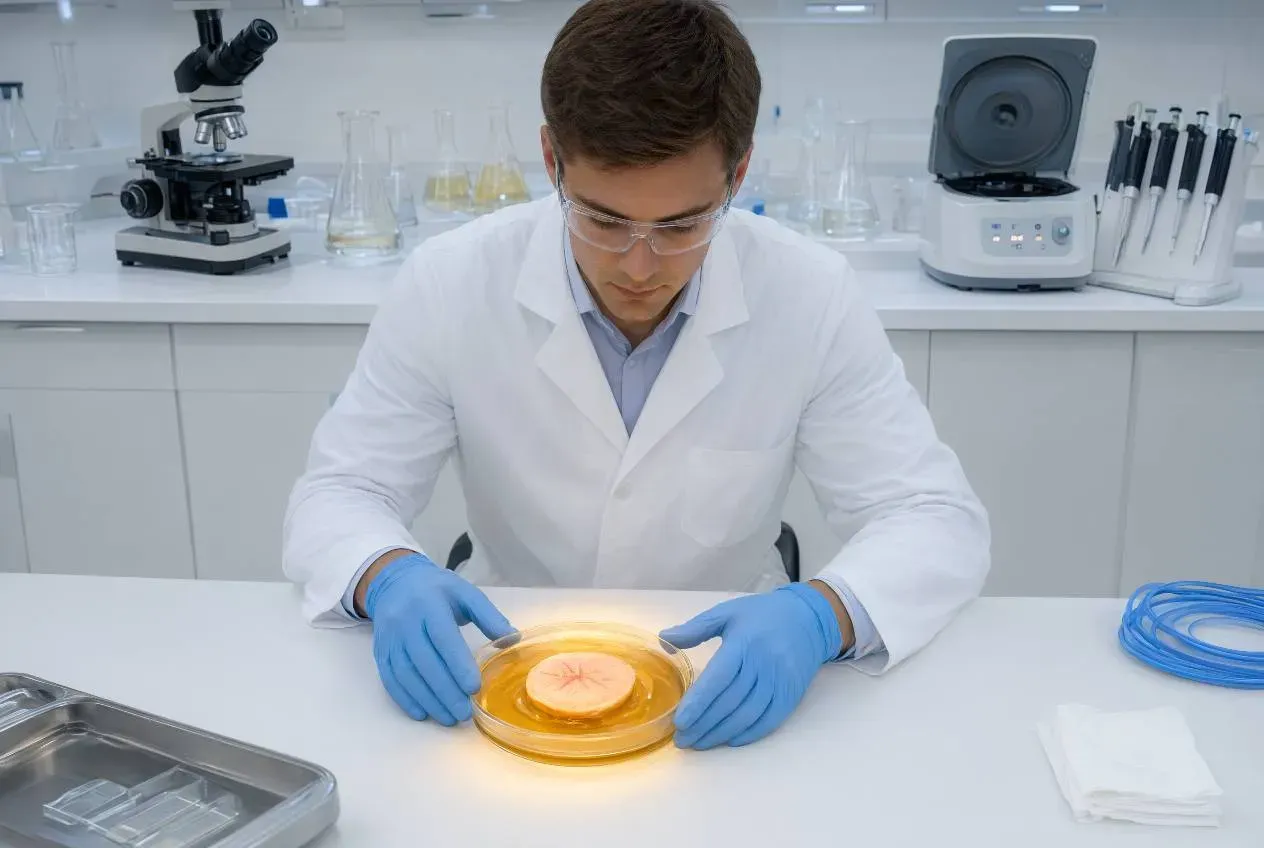
Ultraviolet (UV) radiation from sunlight can accelerate skin aging and place cells under stress. Prolonged exposure may also cause cellular damage associated with the early stages of skin cancer development. Against this backdrop, Italian researchers are investigating whether multifloral honey can help human skin cells better withstand UV exposure.
Honey has long attracted interest in medicine and cosmetics due to its antioxidant, antimicrobial, and anti-inflammatory properties. Its wound-healing potential has also led to the development of sterile honey-based dressings, gels, and ointments. These products are used to treat burns and chronic wounds.
The research was inspired by Dr. Fikye Folia Kavak, a member of Professor Margherita Maioli’s research group at the University of Sassari in Italy. Drawing on her background in medical biology and her interests in beekeeping and cosmetic science, Kavak set out to investigate the potential protective effects of multifloral honey.
"I have always been interested in how certain types of honey, such as Manuka honey, are used in specialized medical applications. This made me wonder whether high-quality multifloral honey could also produce measurable protective effects in human skin cells," Kavak said.
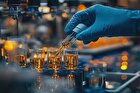
To investigate this possibility, the researchers cultured human skin stem cells, fibroblasts, and keratinocytes together in a continuous-flow bioreactor. The system was designed to simulate conditions found in human skin.
Some cell cultures were treated with a 1% multifloral honey solution for 48 hours before UV exposure. Other cultures received no treatment and served as controls.
The team then compared cellular responses to UV-induced stress. They also used real-time quantitative polymerase chain reaction (RT-qPCR) to measure the activity of selected genes involved in aging, stress responses, tissue regeneration, and stemness. Stemness refers to the ability of stem cells to self-renew and produce either identical cells or specialized cell types.
Honey-treated cells show stronger protective responses
The results showed that pretreatment with honey helped skin stem cells and fibroblasts regulate their responses to UV-induced damage.
"In skin stem cells, honey increased the expression of markers associated with stem cell characteristics while reducing the expression of aging-related genes," Kavak explained.
Honey-treated stem cells also released lower levels of nitric oxide and demonstrated greater antioxidant capacity. These findings suggest enhanced cellular defenses against UV-related stress.
Genetic analysis further revealed increased expression of stress-protective genes. It also identified changes in biological signaling pathways involved in cell proliferation and tissue renewal.
"One particularly interesting finding was that honey appeared to help cells restore a healthier balance after UV-induced stress. Rather than triggering an excessive repair response, it seemed to support protective mechanisms while keeping signals associated with cellular renewal under control," Kavak said.
Honey is not a substitute for sunscreen
The findings provide preliminary evidence that multifloral honey may have skin-protective properties. However, it remains unclear whether the same effects would occur in humans.
"Our research was conducted using cell-based experimental models, not human subjects. Further laboratory, preclinical, and clinical studies are therefore necessary before any practical recommendations can be made," Kavak noted.
The researchers emphasize that honey should not be considered a replacement for sunscreen or other established forms of sun protection.
From cellular signaling to potential treatments
The research team is now investigating the molecular mechanisms behind the observed effects. "We have been working on protein-level validation studies to determine whether the molecular changes observed at the messenger RNA (mRNA) level are also reflected in protein expression," Kavak said.
The researchers are also developing a nanofiber-based delivery system. The technology could potentially enable the controlled, skin-compatible delivery of honey's bioactive compounds for cosmetic and medical applications.
"The nanofibers have already been characterized, and their biological evaluation is currently underway. This represents an important next step, as nanofiber-based systems could provide a more advanced platform for exploring the potential dermatological applications of natural bioactive compounds, including multifloral honey," Kavak concluded.