New Evidence Could Help Detect Alzheimer’s Disease Earlier
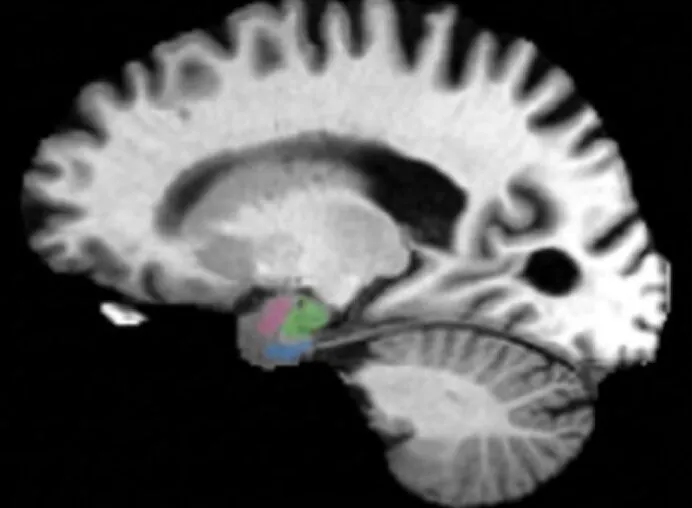
Researchers at Johns Hopkins University have identified two brain regions that exhibit significant signs of Alzheimer’s disease before the hippocampus, the brain’s primary memory-related region, becomes affected.
According to EurekAlert!, these newly identified biomarkers could help physicians diagnose and treat individuals before symptoms develop, when interventions may have the greatest impact.
The research team analyzed hundreds of brain scans from individuals at different stages of Alzheimer’s disease. They found that the entorhinal cortex and the amygdala begin to shrink before the hippocampus, the key brain region responsible for memory that physicians typically examine when looking for evidence of Alzheimer’s disease.
Michael Miller, the study’s lead researcher, said:
“We found that early changes occur in the brain that indicate clinical biomarkers of tissue degeneration. These changes can appear as early as a decade before clinical symptoms emerge. In fact, the process of brain changes takes at least five to 10 years. Imagine if we could begin treating neurodegenerative changes at their earliest stages—for example, in the second, third, or fourth year—instead of waiting 15 years for these changes to manifest as memory problems. This offers tremendous hope for your loved ones who may be at risk.”
Alzheimer’s disease is the leading cause of dementia worldwide. Researchers know that the disease begins developing in the brain decades before symptoms of memory loss become apparent. They believe that treatments are likely to be most effective during the earliest stages of the disease. Identifying reliable biomarkers for early-stage Alzheimer’s is therefore critical.
Marilyn Albert, another researcher involved in the project, said: “Our goal is to be able to treat individuals before symptoms of Alzheimer’s disease appear, in order to delay or even prevent their onset.”
The hundreds of brain scans examined in the study were collected over time from patients with Alzheimer’s disease. These individuals ranged from those who had no symptoms to those who had developed cognitive impairment, as well as patients who eventually died from the disease.
The researchers found that two brain regions near the hippocampus—the entorhinal cortex and the amygdala—exhibited greater early-stage atrophy and a greater relative reduction in volume than the hippocampus itself. The entorhinal cortex plays an important role in retrieving older memories, while the amygdala is associated with emotional memory.
The researchers also found that gray matter atrophy was associated with changes in tau protein, as measured through PET imaging and digital pathology. Tau pathology is a well-established hallmark of Alzheimer’s disease.
The team believes that measuring atrophy in these two brain regions together could provide a more effective early predictor of Alzheimer’s disease and serve as a promising new biomarker, particularly as brain imaging technologies become increasingly accessible and affordable.
For individuals with a family history of Alzheimer’s disease or other risk factors, physicians may eventually begin examining these newly identified brain regions when patients are in their 30s or 40s.
Meaghan Morris, a member of the research team, said: “As biomarkers and treatment options become more widely available, identifying who is likely to experience cognitive decline is becoming increasingly important. This could help improve risk stratification, allowing us to identify individuals who are likely to develop cognitive decline in the near future. Initiating treatment earlier may then help slow the progression of the disease.”
Further research is needed before these findings can be used to support the diagnosis of Alzheimer’s disease. The researchers hope that a more detailed examination of these key brain regions will provide additional insights into the molecular processes that occur as the disease begins to progress.
Miller said: “Our future research will focus on better characterizing the molecular regions associated with tau protein changes that are identified by these atrophy biomarkers. Once we gain a better understanding of these molecular regions, we will be able to develop therapeutic approaches.”