Electric Toothbrush Offers New Weapon Against Oral Bacteria
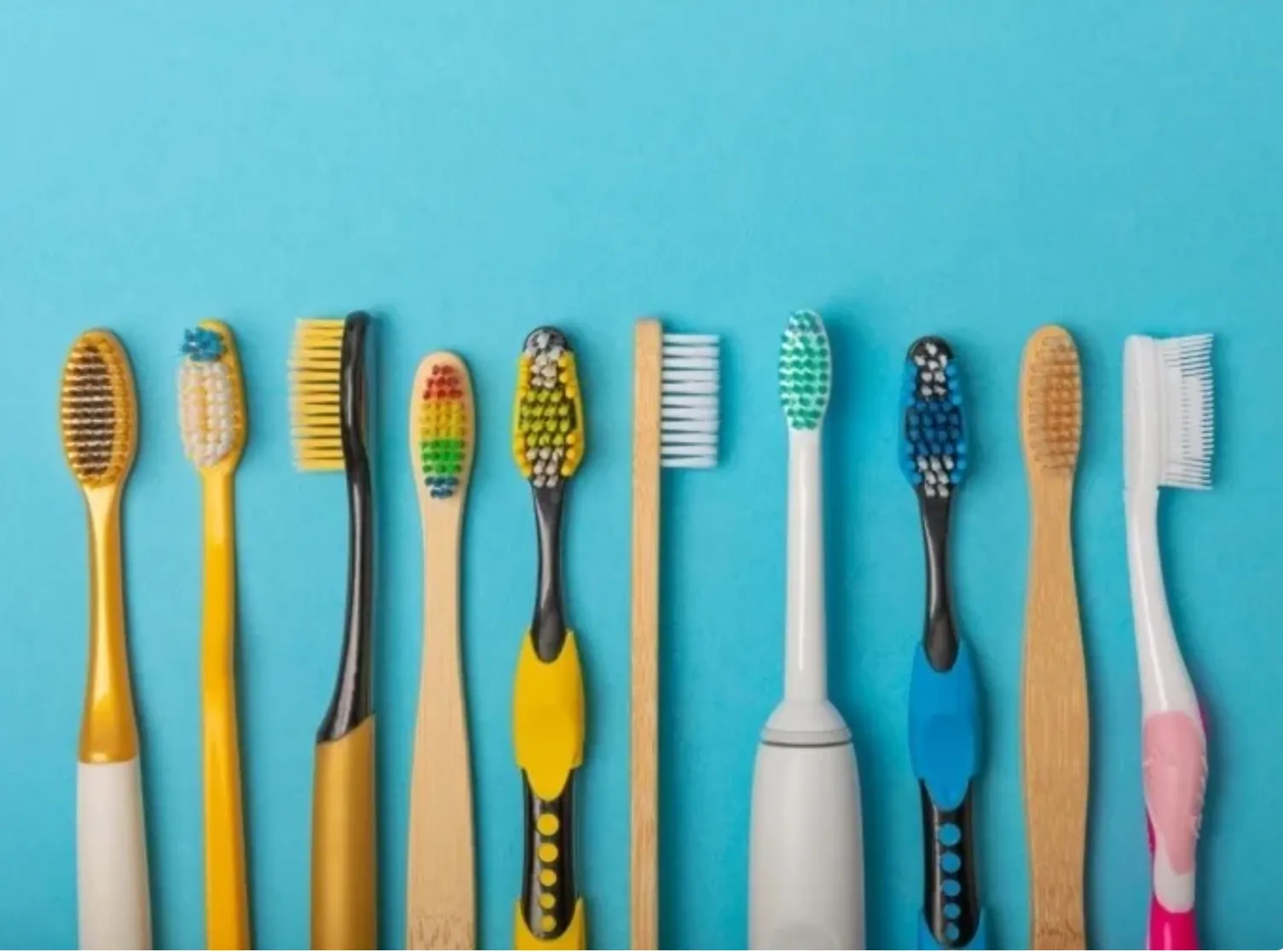
Researchers at Peking University have developed a toothbrush that goes beyond mechanically removing bacteria through friction. The device also generates an electrical charge during brushing, enhancing its antibacterial action. The findings were published in the journal Science Advances on November 4.
Frank Scannapieco, an expert in periodontology at the University at Buffalo in New York, described the generation of electricity through toothbrushing as “a new approach to an old concept.”
He suggested that the device could be more effective at removing dental plaque than conventional manual toothbrushes, although further testing is required to confirm its efficacy and safety.
The researchers demonstrated that the toothbrush does not damage tooth surfaces and is not toxic to human cells. However, the study did not address potential long-term safety concerns or the device's cost.
How the Toothbrush Kills Bacteria
Toothbrushes with bristles, which humans have used in various forms since the 10th century, primarily rely on mechanical action to break up dental plaque. Plaque is a biofilm that accumulates on tooth surfaces and consists of bacteria, saliva and food particles.
The research team developed the bristles using polyvinylidene fluoride (PVDF), a polymer that undergoes stretching and heating processes to acquire piezoelectric properties. These properties enable the material to generate an electrical charge when subjected to mechanical deformation or bending.
As users brush their teeth, the bristles bend and release electrical charges, triggering the production of highly reactive oxygen species (ROS) in the surrounding saliva. According to the researchers, these molecules damage the cell membranes of bacteria within dental plaque. When the bristles return to their original shape, the material reabsorbs the electrical charges.
Testing the Toothbrush Against Isolated Bacteria
In laboratory experiments involving isolated bacterial cultures, the electrically charged bristles eliminated more than half of the Streptococcus mutans bacteria present. These microorganisms play a major role in tooth decay. By comparison, conventional nylon bristles eliminated only 9% of the bacteria.
The electrically active bristles also reduced levels of Porphyromonas gingivalis, a bacterium associated with periodontal disease, by up to 78%. Conventional nylon bristles achieved a reduction of less than 8%.
When the researchers introduced an antioxidant compound capable of neutralizing reactive oxygen species, the new toothbrush's antibacterial effect largely disappeared. This finding suggests that ROS are likely to be the primary mechanism responsible for its antibacterial activity.
Disruption of Essential Nutrient Transport Mechanisms
The team also found that exposure to the electrically charged bristles reduced the activity of certain genes in both S. mutans and P. gingivalis.
These genes are involved in the production of ATP-binding cassette (ABC) transporters, molecular pumps that facilitate the movement of essential nutrients across bacterial cell membranes. The researchers suggest that disrupting this mechanism could make it more difficult for these microorganisms to survive and adhere to tooth surfaces.
However, Jakobovics was not convinced by this aspect of the research team's explanation. “ABC transporters move a wide variety of different substances,” he noted, adding that the findings did not clearly establish how changes in the activity of these genes affect bacterial behavior.
Promising Results in Dental Plaque Biofilms
The researchers also tested the new toothbrush against dental plaque biofilms, which are structured communities of bacteria that adhere to one another and attach firmly to tooth surfaces.
For this experiment, the team grew human dental plaque on bovine tooth enamel. The results showed that the electrically charged toothbrush removed more than 99% of the biofilm, outperforming a conventional nylon toothbrush.
These findings suggest that electrically active toothbrush bristles could offer a promising new approach to controlling oral bacteria and removing dental plaque. Nevertheless, clinical trials and further safety assessments will be necessary to determine whether the technology can deliver comparable benefits in everyday use.