Tehran to Host Fifth Global Conference Against Scientific Apartheid
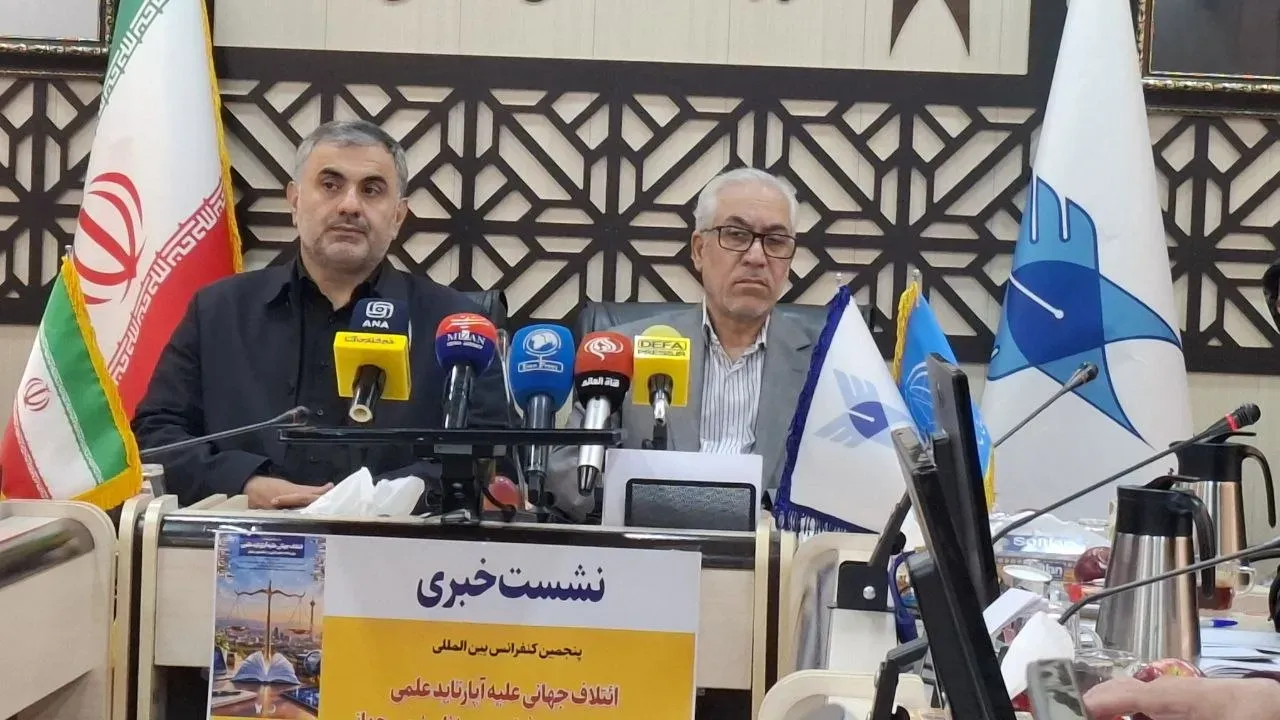
Ameri said the conference would coincide with the World Science Day for Peace and Development, designated by the United Nations to promote the concept of “science for the common good”—an idea he said has long featured in the intellectual discourse of Iran’s Islamic Revolution.
He noted that the four previous editions had attracted extensive participation from Iranian and international university presidents, leading scientists and intellectual figures.
Ameri expressed regret that this year’s fifth edition would take place under exceptional circumstances, as Iran faces what he described as an aggressive war rooted in the same approach that underpins discrimination in science and technology.
He said that, due to the war and current restrictions preventing foreign speakers from travelling to Tehran, arrangements had been made for them to deliver their speeches and messages through prerecorded videos. These contributions are expected to be presented during a special virtual session the week after the conference, with the session broadcast to audiences in Iran and abroad.
Despite the challenges, the conference secretariat has received nearly 140 research papers from Iran and other countries, he added.
Addressing the recent war, Ameri said Iranian scientists had been targeted in what he described as systematic assassinations aimed at preventing Iran from benefiting from its scientific and technological achievements. He stressed that such attacks would not extinguish the pursuit of science and justice, arguing that global public opinion was increasingly rejecting these practices, just as it was challenging US unipolar dominance.
He also accused the United States and Israel of targeting numerous scientific, academic and research institutions in Iran, saying such actions reflected opposition by certain powers to the advancement of human knowledge, despite its central role in development and human well-being.
Ameri said the conference seeks to strengthen the discourse around scientific justice and humanitarian values, while promoting global development, prosperity and fairness.
He added that plans were being considered to expand the event internationally, including holding sessions in other countries, some of which have already expressed interest in hosting them.
Proposals have also been put forward to bring the conference’s ideas to emerging international institutions and organizations, including the BRICS group. Iranian organizers are currently following up on these proposals and coordinating related programmes, he said.