Nanotechnology Boosts Strength and Fire Resistance of Polyethylene Pipes
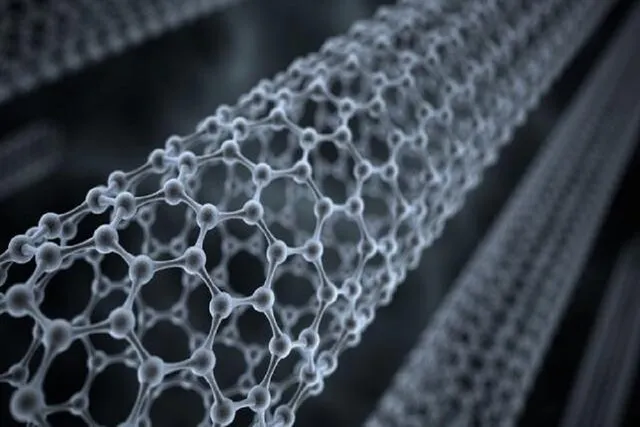
Polyethylene pipes are widely used in water distribution and irrigation systems. Their popularity stems from their low weight, corrosion resistance, ease of installation, and cost-effectiveness. However, improving their mechanical performance and fire safety remains a key industry challenge.
To address these issues, an industrial manufacturing company has incorporated nanoparticles into polyethylene pipe formulations. The technology aims to enhance mechanical properties and reduce flammability.
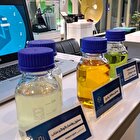
The product was evaluated through a series of physical, mechanical, and flammability tests. Nanoparticle-enhanced pipes were compared with conventional samples. The tests were conducted in accordance with INSO 14427-2 and ASTM D635 standards.
Tensile test results showed a value of 739 for the nanoparticle-enhanced pipes, compared with 584 for conventional pipes. This represents an approximately 26% increase in tensile strength.
The longitudinal reversion rate also decreased from 1% in the reference sample to 0.6% in the nanoparticle-enhanced product. This finding indicates improved dimensional stability and mechanical performance.
The tests also revealed a lower burning rate. The nanoparticle-enhanced sample recorded approximately 17.8 mm/min, compared with 26.9 mm/min for the conventional pipe. This represents a reduction of around 34%. The results suggest that nanoparticles can help reduce flame propagation. Further testing is needed to establish the product's overall fire safety performance under real-world conditions.
The new pipes retain the main advantages of conventional polyethylene products. These include low weight, resistance to corrosion and chemicals, resistance to solar radiation, and ease of transportation and installation.
Available in various sizes and dimensions, the pipes can be used in urban and rural water distribution networks. Potential applications also include pressurized irrigation, sprinkler systems, irrigation tapes, and drip irrigation networks.
The use of nanoparticles offers a promising approach to improving polyethylene pipes for water infrastructure and agricultural applications. The reported test results demonstrate increased tensile strength and a lower burning rate. These improvements could enhance the performance and durability of polyethylene piping systems.