Six Iranian Cities Join UNESCO Creative Cities Network
Kamran Rahmati, chief executive of the Creative Cities Institute, announced that assessment and research processes have begun for the cities of Tabriz, Maragheh and Ahar to evaluate their potential for joining UNESCO’s international network.
Rahmati outlined the concept of a “creative city” and the cultural and economic capacities of Iranian cities, explaining that the approach is based on harnessing arts, culture and human creativity as key drivers of wealth creation and economic growth.
He noted that the core philosophy of creative cities, which took shape in the 1990s, is rooted in the ability of people to generate sustainable economic value through knowledge, ideas and innovation without depleting natural resources, energy or mineral reserves.
The head of the institute also listed the Iranian cities currently included in UNESCO’s Creative Cities Network: Isfahan and Bandar Abbas for crafts and folk art; Rasht and Kermanshah for gastronomy; Sanandaj for music; and Kashan for urban design.
Referring to UNESCO’s slogan, “The cities of tomorrow are creative cities,” Rahmati stressed that becoming a creative city is no longer simply an option but a strategic necessity for maintaining an active presence on the global stage and showcasing cities’ cultural and economic potential internationally.
Addressing previous efforts to secure international recognition for Tabriz, Rahmati said a proposal was prepared in 2012 to register the city as Iran’s first creative city, but the initiative was unsuccessful at the time.
He added that despite the inclusion of six Iranian cities in UNESCO’s global network, Tabriz has yet to be listed, although it has the potential to qualify in all seven creative fields covered by the network.
“We therefore need to identify these capacities on a scientific basis and document them accurately before presenting them at international forums,” he said.
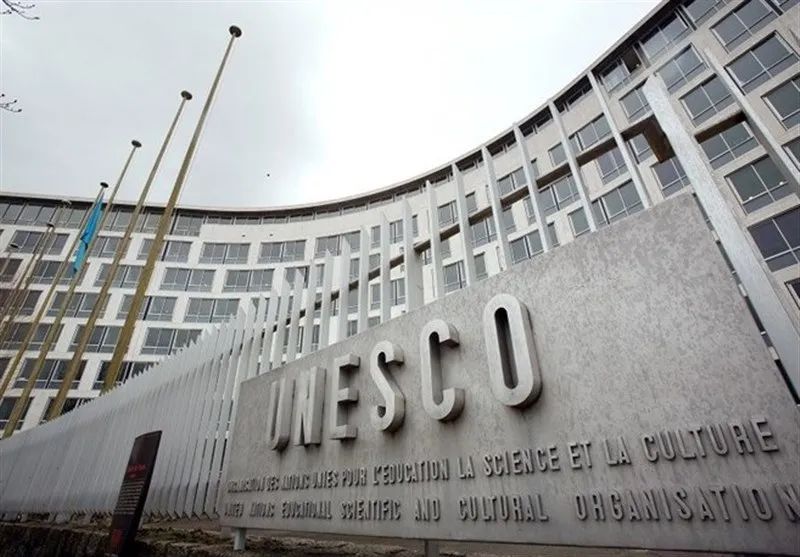
UNESCO established the Creative Cities Network in 2004. The network covers seven creative fields: music, crafts and folk art, media arts, literature, gastronomy, design and urban planning. Cities are assessed and designated based on their achievements and strengths in these areas.