Iran Plans to Establish Islamic World Hub for Nano-Oncology
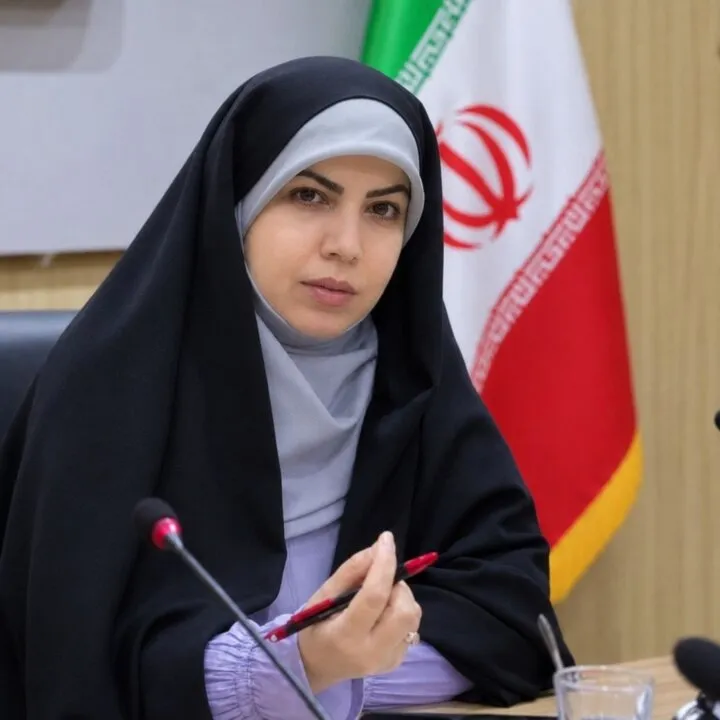
Dr. Zahra Sheikhi, Vice President for Research and Technology at the Academic Center for Education, Culture and Research (ACECR), has announced plans to expand the international activities of the National Cancer Research Institute following its official membership in the Islamic World Nanotechnology Network (INN).
Sheikhi said the institute's research expertise, clinical infrastructure, and technological capabilities provide a strong foundation for scientific cooperation with Islamic countries. Its activities cover cancer research, diagnosis, prevention, and treatment, as well as the development of advanced medical technologies.
She explained that the proposed strategy goes beyond conventional research partnerships. It aims to establish an integrated international framework connecting research institutions, technology developers, clinical centers, educational organizations, and economic stakeholders. The long-term objective is to make the institute a leading center for nano-oncology in the Islamic world.
Innovation Center and Regional Research Consortium
One of the main initiatives is the establishment of an Islamic Countries Nano-Oncology Innovation Center in cooperation with INN. The center would coordinate research programs, support technology development, and facilitate clinical trials in nanomedicine.
The plan also proposes an international research consortium focused on nanotechnology-based cancer treatments. Universities and research institutions from member countries, including Türkiye, Malaysia, Pakistan, and Egypt, are expected to participate under the scientific leadership of the National Cancer Research Institute.
Another proposed initiative is the creation of a technology and patent observatory for oncology. A shared database would provide information on emerging technologies, inventions, novel formulations, and targeted nanomedicine approaches. The platform is intended to facilitate knowledge exchange and strengthen research cooperation among member countries.
Expanding International Markets for Cancer Technologies
Commercializing research outcomes and expanding access to international markets are also central to the strategy.
According to Sheikhi, the institute aims to develop export opportunities for its cancer-related technologies and knowledge-based products. These include nanocarriers, nanocurcumin, peptides, and targeted drug delivery systems.
The plan also seeks to introduce nano-based diagnostic kits and biosensors for early cancer detection into the procurement systems and approved supplier lists of healthcare sectors in participating countries.
Sheikhi identified international investment as another priority. One proposal involves establishing a joint venture capital fund with foreign investors and healthcare philanthropists, particularly from Persian Gulf countries and North Africa. The fund would support cancer treatment technologies and projects with preliminary evidence of clinical effectiveness.
International Exhibitions and Technology Commercialization
The proposed strategy includes establishing dedicated nano-oncology exhibition spaces at international events across Islamic countries. These platforms would showcase the institute's scientific and technological achievements and strengthen connections with international companies, investors, and research institutions.
Sheikhi also proposed an annual international event on advanced cancer treatment technologies. The event could be organized in cooperation with INN, COMSTECH, Innovate Health, and other relevant organizations.
A specialized nano-oncology technology marketplace is another component of the plan. Business-to-business (B2B) and investment meetings involving technology developers, knowledge-based companies, trade delegations, ambassadors, and scientific attachés would help connect research institutions with potential commercial partners.
Joint Research and Scientific Publications
Strengthening international research cooperation is another major objective. Sheikhi said the strategy proposes launching or supporting a joint scientific journal provisionally titled Journal of Islamic Nano-Oncology & Targeted Therapies.
The proposed publication would involve the National Cancer Research Institute, INN, and COMSTECH. Other initiatives include publishing special issues in established scientific journals of member countries, launching joint research projects, and facilitating academic exchanges.
The exchange of faculty members and students through joint research and study programs is also expected to strengthen scientific networks and increase researcher participation across Islamic countries.
International Academy for Nanomedicine and Cancer
Specialized education and technical training form another pillar of the proposed collaboration framework.
According to Sheikhi, the institute plans to establish an International Academy of Nanomedicine and Cancer through an online learning platform. The academy would offer specialized courses in Persian, English, and Arabic.
Training programs would cover nanoparticle formulation for cancer treatment, the use of nanobiomaterials in tumor diagnosis and monitoring, and regulatory requirements and standards for nanomedicines.
The plan also includes practical workshops and laboratory training at the National Cancer Research Institute. These programs would target researchers and healthcare specialists from participating countries, with the aim of transferring technical knowledge, improving professional skills, and supporting scientific and medical tourism.
Joint Quality Certification for Nano-Oncology Products
The development of international accreditation mechanisms is another proposed initiative. Sheikhi said the institute and INN could jointly issue certificates for specialized training courses and workshops. The certificates would carry the names and official emblems of both organizations.
The strategy also proposes a framework for evaluating the quality and technical specifications of nanotechnology-based cancer products. A joint certification mark, provisionally named the Nano-Oncology Quality Seal, would identify products that meet agreed technical and quality standards across participating countries.
Strengthening Scientific and Health Technology Diplomacy
Sheikhi emphasized that cooperation between ACECR's National Cancer Research Institute and INN could create new opportunities for regional collaboration in nanomedicine and cancer treatment.
She said implementing the proposed initiatives could support technology transfer, expand knowledge-based production, attract international investment, develop export markets, and train specialized human resources.
The broader ambition is to strengthen Iran's scientific and technological position while establishing ACECR's National Cancer Research Institute as a key platform for scientific cooperation and health technology diplomacy across the Islamic world.