Laboratory of New Biotechnologies of Iran’s University of Science and Culture Joins Labsnet
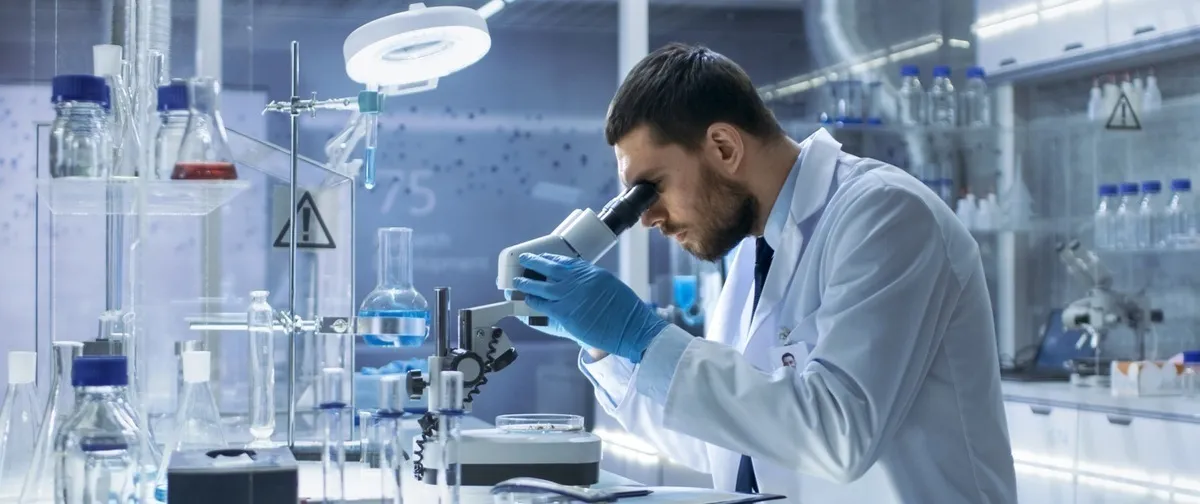
The Laboratory of New Biotechnologies of the University of Science and Culture, which enjoys 19 advanced equipment and devices like oven, autoclave, electrophoresis, polymerase chain reaction workstation (PCR Workstation), rotary vacuum pump, water bath, pH measuring device, polymerase chain reaction (PCR) device, centrifuge, high-speed refrigerated centrifuge, reciprocating shaker, vortex shaker, optical spectrometer, freezer, microcentrifuge, inverted microscope, optical microscope, hot plate, magnetic stirrer, and laminar hood, is ready to provide over 60 specialized and high-quality services to researchers, faculty members, and industrial activists. Membership in the Labsnet network allows laboratory services to be provided at approved rates and in a wider range.
At present, the Labsnet network includes 1,938 laboratories from various specialized fields, of which 237 laboratories operate in the field of biological sciences.
The performance assessment of the laboratories that are members of the National Laboratory Network of Iran in the past Persian calendar year (ended on March 20) shows a significant growth in the quantitative and qualitative indicators of laboratory services compared to the previous year.
“The assessments of performance of the past year was conducted based on the key indicators of network cooperation, income and customer orientation, and its results indicate a significant growth in the activities of the laboratories compared to the previous year,” said Amir Younesian, the director of the National Laboratory Network, in September.
“In this period, 1,093 laboratories were examined in the form of 735 network member centers. Based on figures, the income of the member laboratory centers in the past year reached nearly 280 billion rials and the number of real and legal customers was more than 80,000. Also, these centers have provided a total of more than four million laboratory services, and the customer satisfaction index has been recorded at an average of 85%,” he added.
“These statistics indicate that the network's member laboratories have not only grown slightly in providing services, but have also been able to improve their position in terms of quality, customer orientation, and network cooperation,” Younesian said.
An Iranian official had earlier announced plans to establish an integrated national laboratory network in the country.
Yaqoub Fat'hollahi referred to the creation of scattered laboratory networks by the Iranian government, including the Science Ministry and the Vice-Presidency for Science, Technology and Knowledge-Based Economy, and underlined the need for the establishment of an integrated national laboratory network.
“Laboratory capacity for scientific research has been created in the country and they work in the form of specialized or national laboratories, and each of these laboratories individually provides services to specialists and researchers,” he said.
Fat'hollahi said that creation of a national laboratory network was proposed to increase laboratory capacities, both in the form of individual laboratories and networks, and integrate the country's laboratories.
“Launching this national network does not mean stopping the activities of other networks, and all laboratory networks should continue to work, and the national network should also be launched with preparations and plans at the national level and with a national and transnational vision to serve all scientists in the Islamic world,” he stressed.
4155/v


















