Iran’s renewable energy capacity surges 150% as clean power expansion accelerates
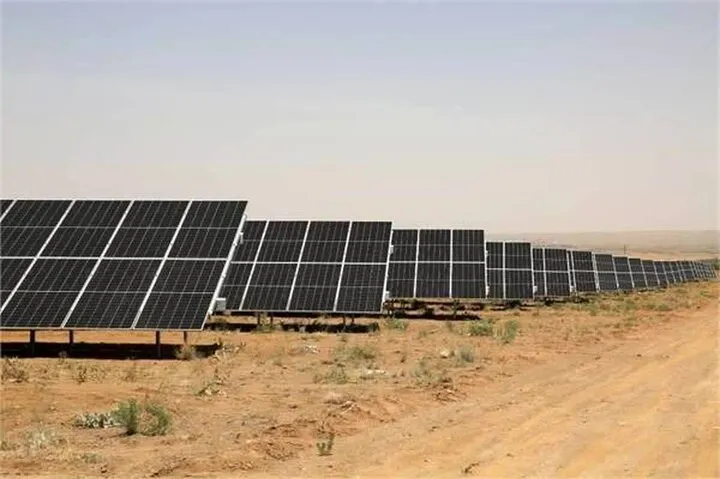
Iran has recorded a sharp increase in renewable energy development over the past two years, with operational clean energy capacity rising from approximately 1,230 megawatts in mid-2024 to more than 3,165 megawatts, according to official figures.
Data released by the Renewable Energy and Energy Efficiency Organization of Iran (SATBA) shows that solar power accounts for the largest share of the country’s renewable energy portfolio at 60 percent, followed by wind energy at 29 percent. Small hydropower, biomass, and expander turbines make up the remainder of the renewable energy mix.
Provincial data indicates that Markazi leads the country in installed renewable capacity, followed by Isfahan and Yazd, reflecting growing investment across multiple regions.
Electricity generation from renewable and clean energy sources also posted significant gains during the last Iranian calendar year, reaching nearly 3.8 billion kilowatt-hours, a 56 percent increase compared with the previous year. Solar power generation more than doubled during the period, while wind energy output also registered steady growth.
The government has identified renewable energy as a key pillar of its long-term energy strategy under the Seventh Development Plan, which aims to add 30,000 megawatts of new renewable capacity. Officials say the expansion of solar and wind energy will help reduce dependence on fossil fuels while addressing environmental challenges, including air pollution.
More than 600 renewable energy projects are currently under development nationwide and are expected to become operational by late September 2026. Assessments by SATBA indicate substantial untapped potential, particularly in wind and biomass energy generation.
Private sector participation has also increased, with major solar projects moving forward across the country. Among them is Tehran’s largest solar power plant, currently nearing completion and featuring domestically manufactured high-efficiency solar modules and advanced energy storage technology.
In addition, Iran has signed a major agreement with China for the supply of solar modules with a total capacity of seven gigawatts, representing the largest renewable energy equipment procurement initiative in the country’s history.
Officials say the expansion of renewable energy has already delivered substantial environmental benefits, including significant savings in water and fuel consumption and a reduction in carbon emissions.
With renewable capacity continuing to expand and large-scale projects under construction, Iran is seeking to strengthen energy security, reduce reliance on fossil fuels, and accelerate its transition toward a more sustainable energy future.