Study shows Atriums and solar energy can boost building efficiency
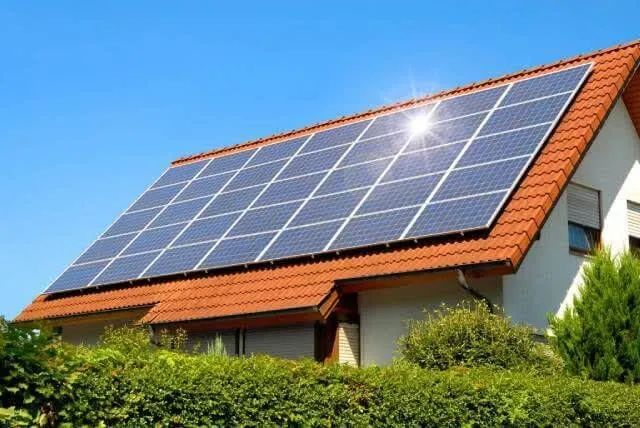
Researchers at the University of Tehran have examined how the integration of atrium-based architectural design and photovoltaic (PV) systems can improve the energy performance and sustainability of residential buildings.
The study, conducted by researchers from the Faculty of Interdisciplinary Science and Technology, assessed the approach across four climate types: hot-humid, hot-dry, temperate-humid and cold. Building heights of two, five and ten stories were also evaluated using specialized energy simulation software.
An atrium is a vertical open or semi-open space within a building that typically extends across several floors, with rooms and other spaces arranged around it. The design can affect daylight, natural ventilation and indoor thermal conditions.
The findings show that incorporating an atrium can reduce annual energy consumption by up to 29.49 percent and carbon dioxide emissions by up to 32.99 percent.
The researchers found that atrium design performed particularly well in cold climates, while combining atriums with photovoltaic panels was most effective in hot-humid climates.
A 20-year economic assessment also indicated that atrium-based designs could achieve a positive net present value under certain scenarios, highlighting their potential economic benefits alongside energy and environmental gains.
According to the University of Tehran, the study addresses a gap in previous research by examining architectural design, climate conditions and solar-energy technologies within a single framework.
The researchers conclude that climate-responsive design combined with atriums and solar technology could provide an effective pathway toward lower energy consumption, reduced carbon emissions and greater economic efficiency in the residential building sector, supporting the development of more sustainable architecture.


















