Gardens may help lower type 2 diabetes risk
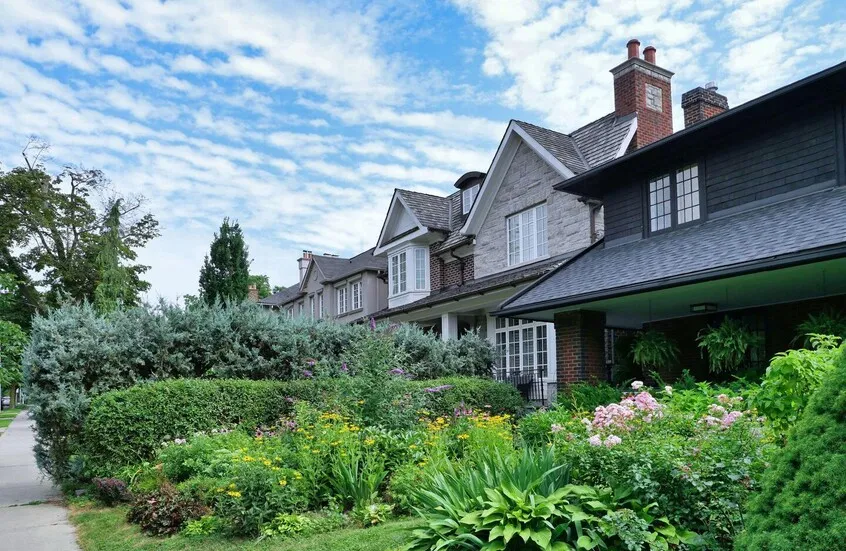
A study published in BMC Public Health has found that access to larger gardens and nearby green spaces may be associated with a reduced risk of developing type 2 diabetes.
Researchers analyzed data from more than 19,000 participants in the UK Biobank and assessed the availability of green spaces near their homes.
The study found that people with a large garden near their homes had a 6.8% lower risk of type 2 diabetes compared with those without a garden. Living near several gardens within 800 meters of home was also associated with a 5.7% lower risk of developing the disease.
The researchers suggest that several factors may help explain the potential protective effect. Gardening can increase physical activity, while exposure to sunlight may support vitamin D production. Spending time in natural environments may also benefit mental health.
The researchers further noted that exposure to a wider diversity of naturally occurring microorganisms could potentially influence the gut microbiome and immune system, although further research is needed to establish these mechanisms.
More than 500 million people worldwide currently live with diabetes, and that number could exceed 1.3 billion by 2050, according to the researchers. They argue that the findings highlight the importance of preserving gardens, parks and other green spaces when planning modern residential areas, as these environments may contribute to reducing the burden of chronic disease.
The findings add to growing evidence linking access to nature with better health outcomes. Earlier research published this year found that living in areas with a higher density of trees was associated with a lower risk of cardiovascular disease.
Another study by Turkish researchers also reported that gardening and horticultural activities can improve mental health among older adults and help alleviate symptoms of depression.