New post-surgery windows could improve brain tumor treatment
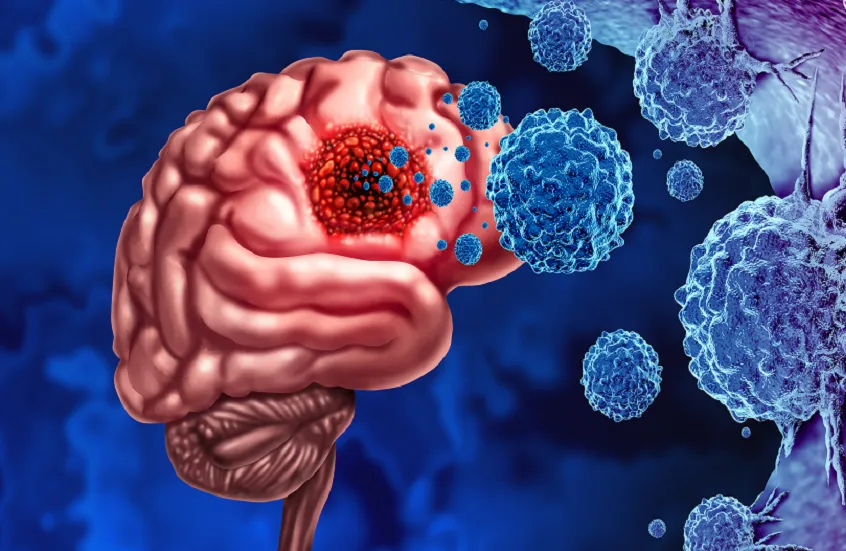
A new study suggests that chemotherapy could be significantly more effective if administered within minutes or days of brain tumor surgery, rather than several weeks later as is current practice.
Published in Science Translational Medicine, the study found that surgery temporarily disrupts the blood-brain barrier (BBB), the protective layer that normally restricts drugs from reaching brain tissue. Researchers identified two periods when this barrier becomes temporarily more permeable: around 15 minutes after surgery and again between 48 and 72 hours later.
Doctors currently typically delay chemotherapy or radiotherapy for four to six weeks after surgery to allow patients time to recover. The researchers suggest that taking advantage of the newly identified windows could enable clinicians to deliver a targeted treatment to residual cancer cells before they have an opportunity to regrow.
The research team from the University of Manchester conducted experiments in mice, simulating surgical tumor removal and administering a drug formulation that cannot normally cross the blood-brain barrier unless it has been disrupted.
The results showed that targeting these temporary windows effectively suppressed tumor recurrence in the animal models.
“For the first time, we have shown that glioblastoma surgery briefly exposes a vulnerability that can be exploited,” said Dr. Thomas Kesby, co-lead author of the study. “If treatment is timed within the windows we have identified, it could significantly halt the disease before it begins to grow again.”
Kesby added that the hours and days immediately following surgery could hold a key to preventing the recurrence of this aggressive cancer.
Professor Costas Kostarelos, co-lead author of the study, said the discovery could open new possibilities for post-surgical cancer care. He pointed to the potential use of advanced treatments—including nanomedicines, immunotherapy and gene therapy—to target the high-risk tissue surrounding the site where the tumor has been removed.
Dr. Girvan Burnet, a consultant oncologist at The Christie NHS Foundation Trust, welcomed the findings but urged caution, noting that the research remains at an early stage and that clinical trials will be needed to determine whether the approach is effective in humans.
He also suggested that a better understanding of how the body responds to surgery could help researchers improve drug delivery, rather than relying solely on the development of increasingly new and expensive medicines.
The findings raise the possibility that the immediate period following glioblastoma surgery—currently viewed primarily as a time for recovery—could instead become a critical therapeutic opportunity for preventing tumor recurrence.