Innovative heat-based therapy could help prevent age-related vision loss
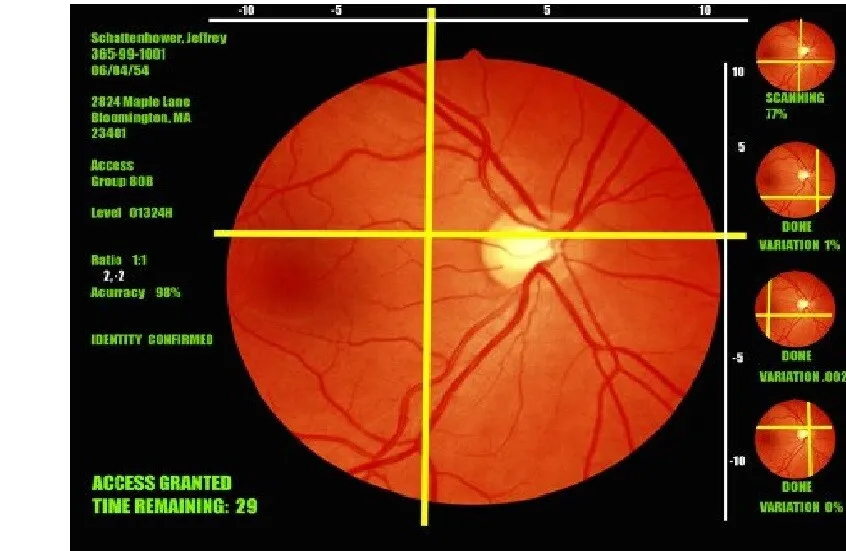
According to a study published in Nature Communications, a novel retinal heating technique could enable eye cells to naturally clear harmful protein deposits before they cause permanent damage.
Researchers have developed an experimental approach aimed at preventing age-related macular degeneration (AMD), a leading cause of vision impairment among older adults. The method uses gentle infrared heating of the back of the eye to activate cellular repair and waste-removal systems before vision loss occurs.
Dry AMD affects millions of elderly people worldwide and gradually damages central vision, making everyday activities such as reading and driving increasingly difficult. Current treatment options remain limited and primarily focus on slowing the progression of existing damage rather than preventing the disease.
The new strategy seeks to proactively stimulate the eye’s natural protective mechanisms, which tend to weaken with age. The technique relies on near-infrared light to raise tissue temperature by only a few degrees, triggering a mild stress response that boosts the production of heat shock proteins, essential molecules that help protect cells from damage.
Researchers said the slight increase in temperature also activates autophagy, a cellular process responsible for clearing waste materials and damaged components. As a result, the eye becomes more effective at breaking down and removing accumulations of fats and proteins that are widely regarded as early indicators of impending retinal degeneration.
The technology has demonstrated encouraging results in preclinical animal studies, showing both effectiveness and safety. Scientists are now preparing to launch the first human clinical trials to evaluate the treatment’s safety profile and determine the optimal timing and frequency for its preventive use.


















