Israel’s Energy Reliance: A Strategic Pressure Point
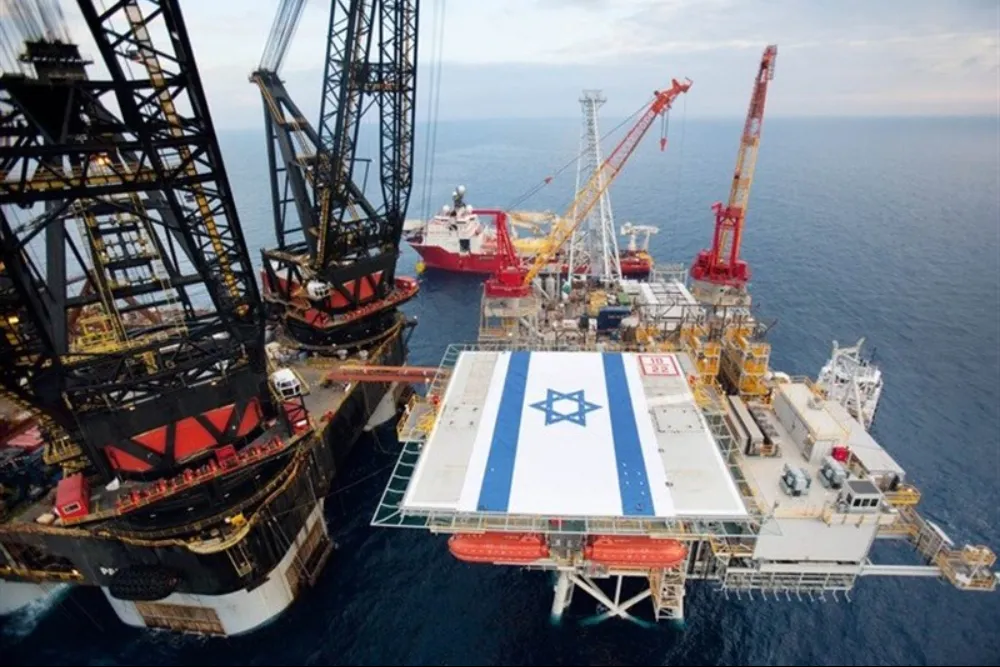
Trade and energy data from 2023 to 2025 reveal that Israel imported over 323 shipments of crude oil and refined petroleum products, underlining a structural reliance on external sources. In the refined products sector, Russia emerged as the largest supplier, exporting approximately 1.468 million tons, followed by Greece with 556,000 tons and the United States with 416,000 tons. Italy, Cyprus, Albania, and Saudi Arabia also contributed, illustrating a complex and transregional network of suppliers that spans both European and Muslim-majority countries.
In terms of crude oil, Azerbaijan supplied the highest volume at roughly 7.1 million tons, followed by Kazakhstan with 5.3 million tons and Gabon with 2.2 million tons. Nigeria, Brazil, and Egypt also provided notable shares. These figures highlight that a substantial portion of Israel’s oil consumption comes from non-Western sources, including several Muslim-majority states, contradicting the perception of a purely Western-aligned energy supply chain.
The Turkish route plays a critical role in transporting much of these shipments. While Turkey is not a primary oil exporter to Israel, it functions as a vital transit corridor, reinforcing the strategic importance of energy infrastructure and logistics routes in the region.
From a military perspective, the United States occupies a unique position. It is the sole supplier of JP-8 military fuel, used in Israeli fighter jets and other operational platforms. This underscores that U.S. support extends beyond diplomatic and political backing, directly sustaining Israel’s military operational capabilities.
Overall, these trade patterns illustrate Israel’s structural vulnerabilities and its reliance on geographically and politically diverse suppliers. The country’s energy dependence is a sensitive leverage point with potential implications for regional politics, economic stability, and security dynamics—especially amid shifting geopolitical alignments and growing global scrutiny of energy-centered relationships.