Muscat Talks Result: For Now, Agreement Only on “Things Being Good”
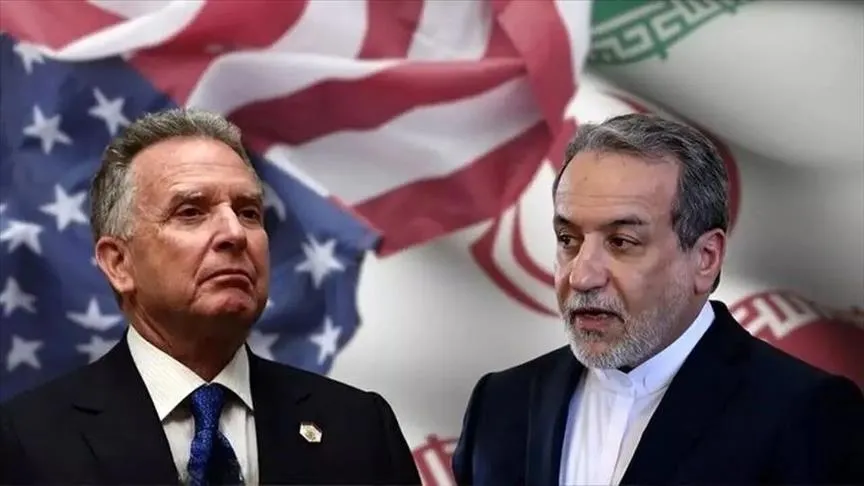
The atmosphere following the latest round of indirect Iran–US negotiations in Muscat is currently shaped less by official data or technical detail than by linguistic signals and the messaging patterns of the two sides. So far, neither party—nor even the Omani mediator—has disclosed specifics about the substance of the talks, the precise agenda, the level of progress, or points of disagreement. Under these conditions, any analysis is inevitably provisional and must be approached with caution, avoiding premature certainty.
The first notable layer is the positive characterization of the negotiations by both sides. Donald Trump and Seyed Abbas Araghchi alike described the talks as “good.” In diplomatic parlance, this term signals not substantive progress but rather a manageable atmosphere and the perceived utility of continuing the process. It is typically used when talks are neither deadlocked nor close to a final deal, but when the channel of communication remains open and viable. This shared vocabulary may indicate a minimal level of mutual comfort with the framework for continued negotiations, without implying substantive convergence.
At the level of strategic messaging, Trump’s posture reflects a familiar duality: projecting pressure while keeping the door to a deal ajar. His reference to deploying military assets to the region, alongside his emphasis on the talks being “good” and Iran’s purported interest in an agreement, constructs a blend of threat and opportunity. This pattern is usually designed to influence three audiences simultaneously: the US domestic public, regional allies, and the opposing negotiating team. In this context, military signaling does not necessarily imply an imminent operational decision, but may form part of a psychological pressure architecture aimed at strengthening bargaining leverage.
Another analytically significant point is Trump’s explicit focus on the nuclear nature of the talks. In his first remarks after the discussions, he limited his emphasis to the assertion that Iran must not possess a nuclear weapon. This is notable because in previous phases, US officials had sought to fold Iran’s missile program and regional policies into the negotiating package.
At the same time, Iran has consistently maintained that it will only negotiate over its nuclear program, insisting that it neither seeks nor will seek nuclear weapons. This formal overlap in defining the scope of talks may signal a minimal shared frame for continuing negotiations. However, it does not necessarily mean other issues are permanently off the table; it could instead reflect a phased or tactical sequencing by Washington—one that, in any case, does not imply a change in Iran’s underlying policies.
In the same vein, the silence of Iran and Oman regarding the timing of the next round—contrasted with Trump’s public reference to a schedule—is also telling. When both the mediator and one negotiating party refrain from confirming dates, it often indicates that operational details remain unsettled or that bargaining over key variables is still underway.
Trump’s early announcement may be read as an attempt to preserve momentum, seize narrative initiative, and project control over the process. By contrast, the lack of official confirmation from Tehran and Muscat can be interpreted as an effort to retain flexibility and avoid premature commitment to a fixed timeline.
Meanwhile, the Israeli factor remains an unavoidable backdrop. Tel Aviv has consistently favored expanding the scope of negotiations to include missile capabilities and regional activities. If the current framework truly remains confined to the nuclear issue, this could signal a relative divergence from Israel’s preferred model—potentially prompting intensified media and political efforts to influence the negotiating agenda.
Overall, based on the information available, the negotiation track appears active, the issue scope is for now tightly contained, and both sides are simultaneously managing the bargaining table and the narrative arena. Nonetheless, until official details of the talks are released, any definitive conclusions would be premature, and analysis will necessarily remain at the level of estimates and scenario-building rather than settled judgment.


















