Iran Warns of Israeli “Warmonger” Amid Ongoing Nuclear Talks with US
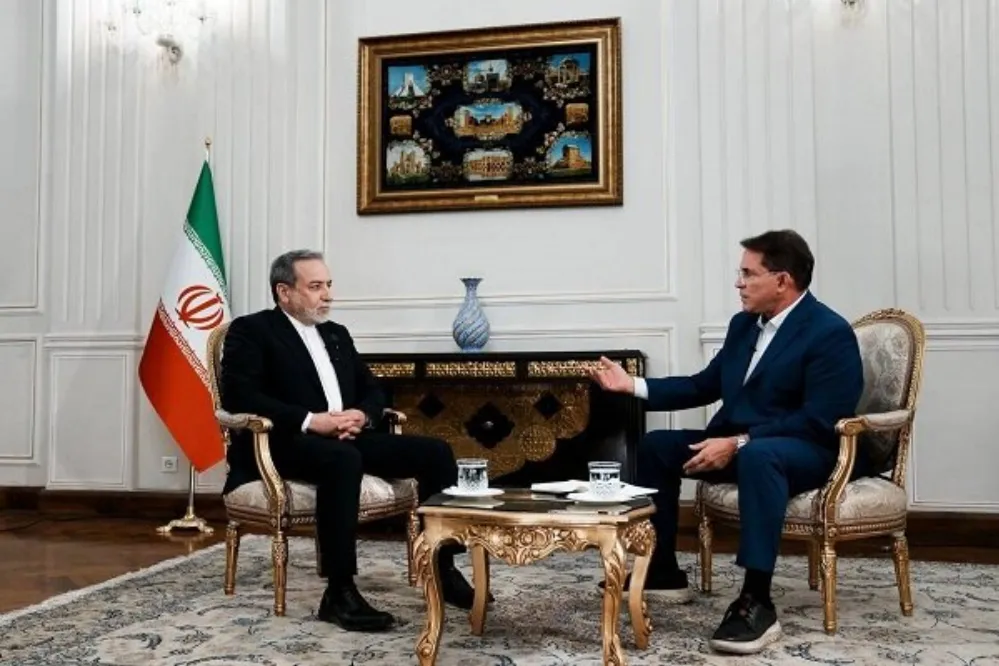
In an interview with Russia Today on Tuesday, Araghchi criticized Israeli Prime Minister Benjamin Netanyahu, calling him a “warmonger” with no interest in peace or diplomacy. “In the past two years, he has attacked seven countries in our region,” the minister said, highlighting Netanyahu’s recent targeting of Qatar, a close US and Western ally.
Araghchi accused Netanyahu of repeatedly trying to drag the United States into war with Iran, recalling a previous confrontation in June, which he described as a “disaster” for both Israel and Washington after Iran’s decisive retaliation forced Tel Aviv to seek a ceasefire through the US. “If they attempt a similar approach again, the outcome will not be any different,” he warned.
The planned visit by Netanyahu to the White House is expected to focus on pushing the US to discuss Iran’s missile program. Tehran, however, has firmly rejected such discussions, asserting that its missile capability is a sovereign right and a core element of its defensive posture.
On the ongoing indirect nuclear talks, including the latest round in Muscat last Friday, Araghchi said Iranian negotiators engaged with US representatives Jared Kushner and Steve Witkoff, who he described as “trying to avoid war and find a diplomatic solution.” He characterized this approach as “the wisest decision that President Trump can make,” while noting that Netanyahu is unhappy with progress in the talks.
Despite Iran’s engagement, Araghchi emphasized that Tehran’s commitment depends on the US. “If they are serious, which we are still not completely sure about, we are serious too,” he stated, reflecting lingering mistrust after Washington’s withdrawal from the 2015 JCPOA nuclear deal and subsequent sanctions.
Drawing on his two decades of experience in nuclear negotiations, Araghchi expressed optimism that a new agreement is still possible. He said Iran’s team is developing a practical proposal that ensures the peaceful nature of its nuclear program while safeguarding civilian nuclear rights, including electricity production, medicine, and agriculture. He reiterated that any talks would remain focused on the nuclear issue, excluding missiles, regional influence, or other topics.
Concluding his remarks, Araghchi affirmed that diplomacy remains Iran’s preference, but warned that the country is prepared to defend itself against any aggression. “The Iranian Armed Forces would target US bases and assets in the region if Washington attacks our soil,” he said, highlighting Iran’s readiness to respond to any military adventurism.