Fear as a Tool: How the U.S. is Shaping Iran Negotiations
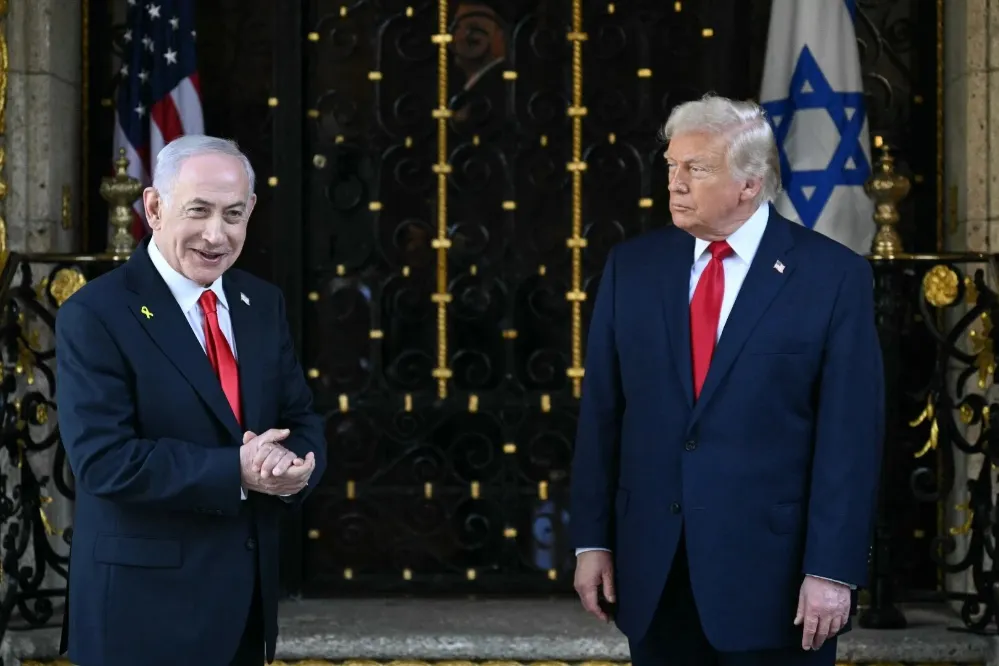
Recent developments suggest that Washington’s approach combines visible threats with ongoing diplomacy. While military movements and heightened media coverage depict the specter of conflict, diplomatic channels remain open, as seen in the first round of talks in Oman and plans for subsequent meetings. Experts say this dual approach reflects a deliberate strategy rather than contradiction.
Analysts describe the U.S. strategy as one of “induced urgency,” in which the possibility of war is emphasized to influence Iran’s negotiating behavior. By presenting negotiations as the last opportunity before confrontation, the U.S. aims to turn the bargaining table into a venue for concessions. Controlled ambiguity—such as leaving final decisions in the hands of top leaders and sending mixed signals—further amplifies psychological pressure.
Beyond immediate threats, experts caution that a direct conflict with Iran would trigger a complex cascade of regional and global consequences, challenging Washington’s ability to manage outcomes. Demonstrations of military power, equipment redeployments, and heightened readiness are therefore interpreted less as precursors to action and more as signaling tools in a high-stakes game of perception.
The broader picture points to a calculated strategy of tension management. For the U.S., the risk of war is weighed against economic, energy, and geopolitical costs, making the threat a bargaining instrument rather than a preferred course of action. In this environment, the real advantage lies with the side that can control perceptions and maintain strategic calculations, rather than with the one escalating threats.