The Islamic Revolution: An Ongoing Project, Not a Momentary Event
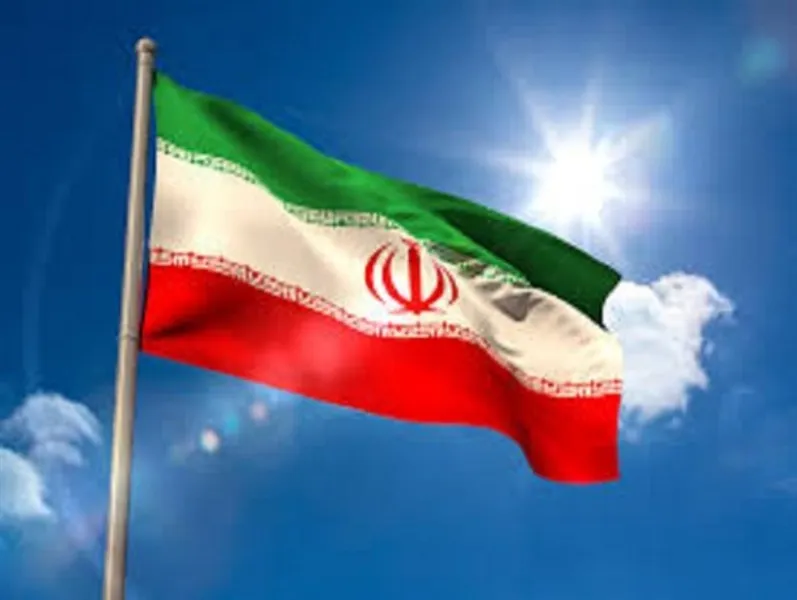
Iran’s Islamic Revolution did not merely transform the country’s political structure; it also reshaped regional and global equations, establishing Iran as a consequential actor beyond its borders.
Political Independence and the Consolidation of National Sovereignty
One of the most significant achievements of the Islamic Revolution has been the realization of political independence and the end of external domination over the country’s decision-making processes. By standing firm against pressures, sanctions, and foreign interference, the Islamic Republic of Iran has demonstrated that safeguarding national sovereignty and maintaining independent decision-making are achievable even under the most challenging circumstances. Today, this political independence has become an inspiring model for nations seeking liberation from the dominance of hegemonic powers.
Economic Progress and the Path toward Self-Reliance
Despite facing numerous economic challenges over the past decades—most notably extensive sanctions—these very pressures have contributed to strengthening the “resistance economy” approach, expanding infrastructure, fostering domestic industries, and reducing dependency in several strategic sectors. The growing capacity of national production, the development of indigenous technologies, and an increased focus on domestic potential all signal a gradual but tangible movement toward economic self-reliance.
Defensive Power and Military Deterrence
Relying on domestic expertise and a highly skilled workforce, the Islamic Republic of Iran has attained a notable position in the defense and military sphere. This capability has been developed not for aggression, but to establish effective deterrence and safeguard national and regional security. It has played a crucial role in countering external threats and preserving the country’s stability.
Scientific and Technological Advancement
Iran’s remarkable growth in scientific and research fields—including peaceful nuclear technology, nanotechnology, biotechnology, medicine, and knowledge-based industries—provides clear evidence of the country’s substantial scientific capacity in the post-revolution era. Sustained investment in a young, committed, and educated workforce has positioned Iran among the leading scientific countries in the region.
Social Growth and Development
Alongside material and technological advances, the Islamic Revolution has paved the way for broad social transformations. These include the expansion of higher education, rising public awareness, the development of healthcare and medical services, and strengthened social participation across diverse segments of society. Such developments have significantly contributed to enhancing social capital and reinforcing national cohesion.
Iran’s Regional and Global Standing
Today, the Islamic Republic of Iran is widely recognized as an influential player in regional dynamics. A foreign policy grounded in dignity, wisdom, and expediency has enabled Iran to play an active role in key developments across West Asia. Principled and consistent support for the Palestinian people, opposition to the Zionist regime as a symbol of occupation, injustice, and human rights violations, and solidarity with oppressed and marginalized nations constitute core elements of Iran’s foreign policy identity—earning the country a distinct moral and political standing among free-minded nations worldwide.
Conclusion:
As the anniversary of the Islamic Revolution approaches, reviewing both achievements and challenges underscores a fundamental reality: the Islamic Revolution was not a temporary project, but a continuous path toward independence, justice, progress, and human dignity. Sustaining this path requires preserving national unity, strengthening social hope, harnessing the potential of youth, and remaining committed to the revolution’s core ideals at both domestic and international levels.


















