Iranian Scientists Design Lightweight Nanofibre for Electromagnetic Protection
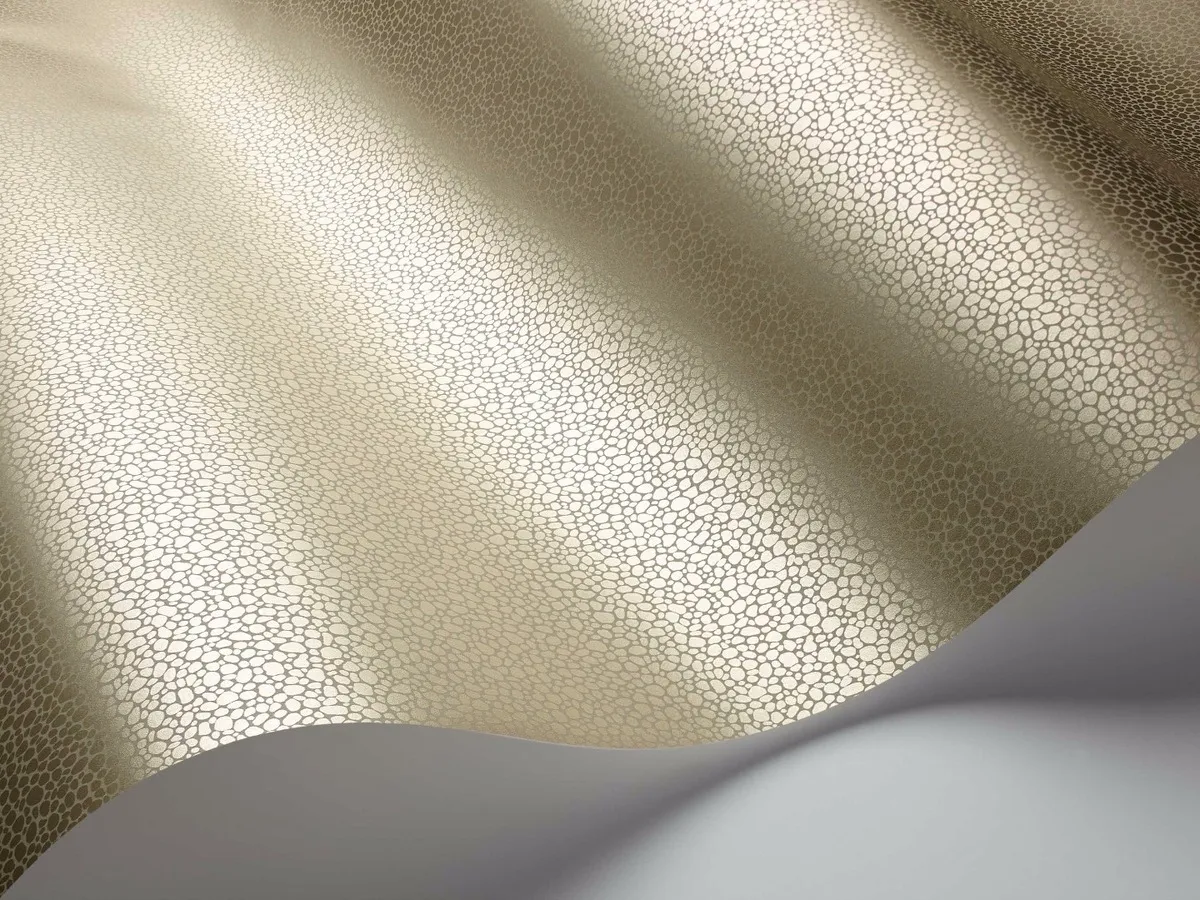
The researchers succeeded in producing new nanotextiles made of metalized polyamide (nylon) that incorporate a unique combination of protective, thermal, and biological properties. This lightweight and flexible fabric was metalized using the ‘electroless nickel-phosphorus’ method and has been able to demonstrate remarkable performance in various fields.
The manufacturing process is designed in such a way that nickel-phosphorus layers are deposited on the surface of polyamide fibers at different times.
Studies show that in shorter time intervals, the metal coating is less and more heterogeneous, but in optimal conditions, i.e. after eight minutes of deposition, the fabric surface acquires the most uniform and stable metal structure. This same optimized sample has been able to achieve remarkable efficiency in electromagnetic protection; such that its shielding rate is reported to be 55.4 dB and at the same time it has a very low volumetric density of 0.113 g/cm3. Such a number means achieving a very light fabric that is at the same time strong against waves. The researchers also tested the thermal efficiency of this textile. The results showed that this optimized sample can create a temperature of up to 133.5 degrees Celsius in electrothermal application by applying a voltage of 5 volts; a number that makes it an ideal option for lightweight thermal clothing in cold conditions. In addition, in the photothermal test, this fabric produced a temperature of about 77.9 degrees Celsius when exposed to light with an intensity of 800 milliwatts per square centimeter. This capability could be very valuable in the design of clothing and wearable equipment that require heat generation without a direct energy source. Another outstanding feature of this fabric is its antibacterial properties. Studies on two common bacterial species, Escherichia coli (E. coli) and Staphylococcus aureus (S. aureus), showed that the optimized sample exposed to light was able to inhibit the growth of these bacteria by 62.7 percent and 88.3 percent, respectively.
In a relevant development in September, Iranian researchers at Shahroud University of Technology, in collaboration with researchers from several prestigious international universities, including KLE University in India, Xi'an Polytechnic University, and Nanjing Forestry University in China, had also succeeded in designing and manufacturing nanostructured fibers that enjoy self-repairing properties, fatigue and aging resistance, and high flexibility.
This achievement, which is based on a combination of polyurethane and cellulose nanocrystals, could bring about changes in the field of smart wearable textiles, since one of the fundamental challenges in this industry is the weakness of common fibers against mechanical stress and the passage of time. Experiments showed that these fibers not only repair surface cracks and scratches in wearable devices, but also do not reduce their strength and elasticity after severe tests.
The Iranian researchers and their colleagues succeeded in creating polyurethane-nanocellulose composite fibers that, in addition to high flexibility, enjoy self-healing ability and remarkable resistance to fatigue and aging.
The basis of this innovation is the use of cellulose nanocrystals (CNC); bio-based and environmentally friendly materials that can form hydrogen bonds with polyurethane molecular chains. These bonds create a dynamic and flexible network that, like a natural glue, repairs cracks and damages in the fiber structure. In other words, whenever the fibers are scratched or broken on the surface due to pressure or tension, their molecular structure is rearranged and the damage is repaired spontaneously.
The results of mechanical tests showed that adding just one percent of nanocellulose to polyurethane increased the elasticity to the breaking point by 33.92% and increased the tensile strength of the fibers by 17.93%.
4155/v