Study: Brain Cells Keep Growing Even in Old Age
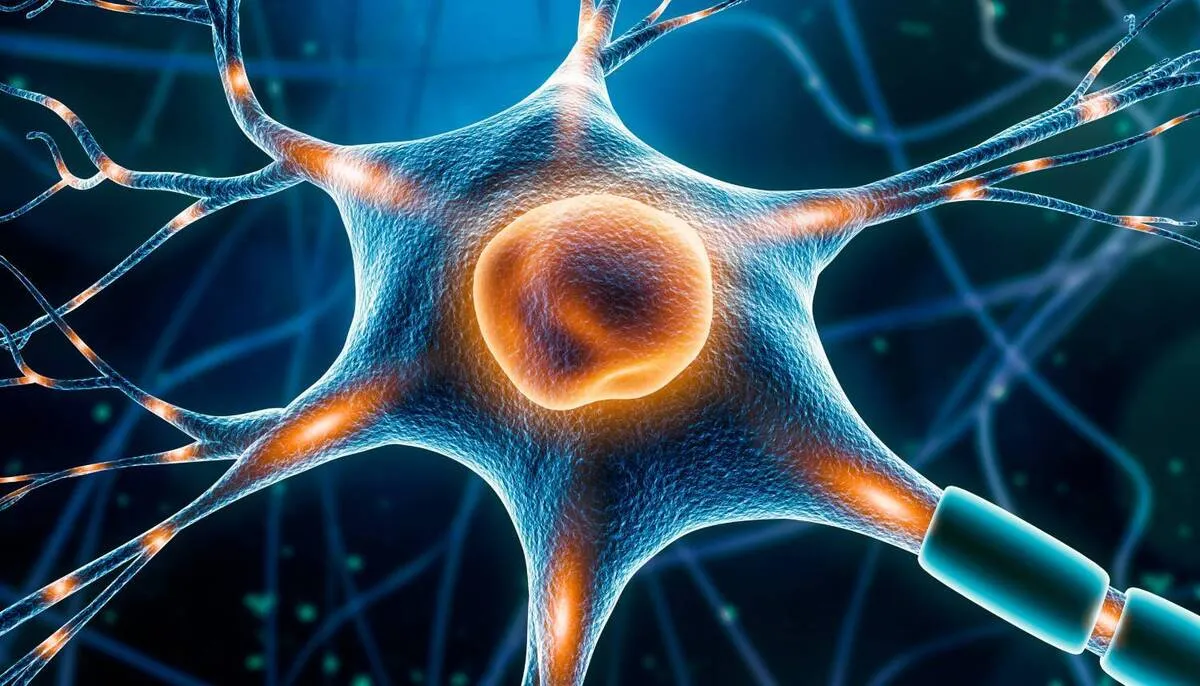
A recent study published in the Science offers strong new evidence that the human brain continues to generate neurons in the hippocampus, its key memory region, well into later stages of life. Conducted by researchers at Sweden’s Karolinska Institutet, the study addresses a long-standing debate about how adaptable the adult brain really is.
The hippocampus plays a critical role in memory, learning, and emotional regulation. In 2013, Jonas Frisén and his team at Karolinska Institutet made headlines when they demonstrated that new neurons could form in this region during adulthood. They then analyzed carbon-14 levels in DNA extracted from brain tissue, which allowed them to estimate the birth date of these cells.
Despite this earlier discovery, questions remained about how significant adult neurogenesis truly is. In particular, scientists lacked direct evidence that the cells responsible for generating new neurons, known as neural progenitor cells, are present and actively dividing in adult human brains.
“We have now been able to identify these cells of origin, which confirms that there is an ongoing formation of neurons in the hippocampus of the adult brain,” says Jonas Frisén, Professor of Stem Cell Research at the Department of Cell and Molecular Biology, Karolinska Institutet, who led the research.
In the new study, the researchers combined several advanced methods to examine brain tissue from people aged 0 to 78 years from several international biobanks. They used a method called single-nucleus RNA sequencing, which analyses gene activity in individual cell nuclei, and flow cytometry to study cell properties. By combining this with machine learning, they were able to identify different stages of neuronal development, from stem cells to immature neurons, many of which were in the division phase.
To localize these cells, the researchers used two techniques that show where in the tissue different genes are active: RNAscope and Xenium. These methods confirmed that the newly formed cells were located in a specific area of the hippocampus called the dentate gyrus. This area is important for memory formation, learning, and cognitive flexibility.
The results show that the progenitors of adult neurons are similar to those of mice, pigs, and monkeys, but that there are some differences in which genes are active. There were also large variations between individuals – some adult humans had many neural progenitor cells, others hardly any at all.
“This gives us an important piece of the puzzle in understanding how the human brain works and changes during life,” explains Jonas Frisén. “Our research may also have implications for the development of regenerative treatments that stimulate neurogenesis in neurodegenerative and psychiatric disorders.”
4155/v


















