Iran Ready for Diplomacy, But Rejects Negotiations Under Threat, Parliament Speaker Says
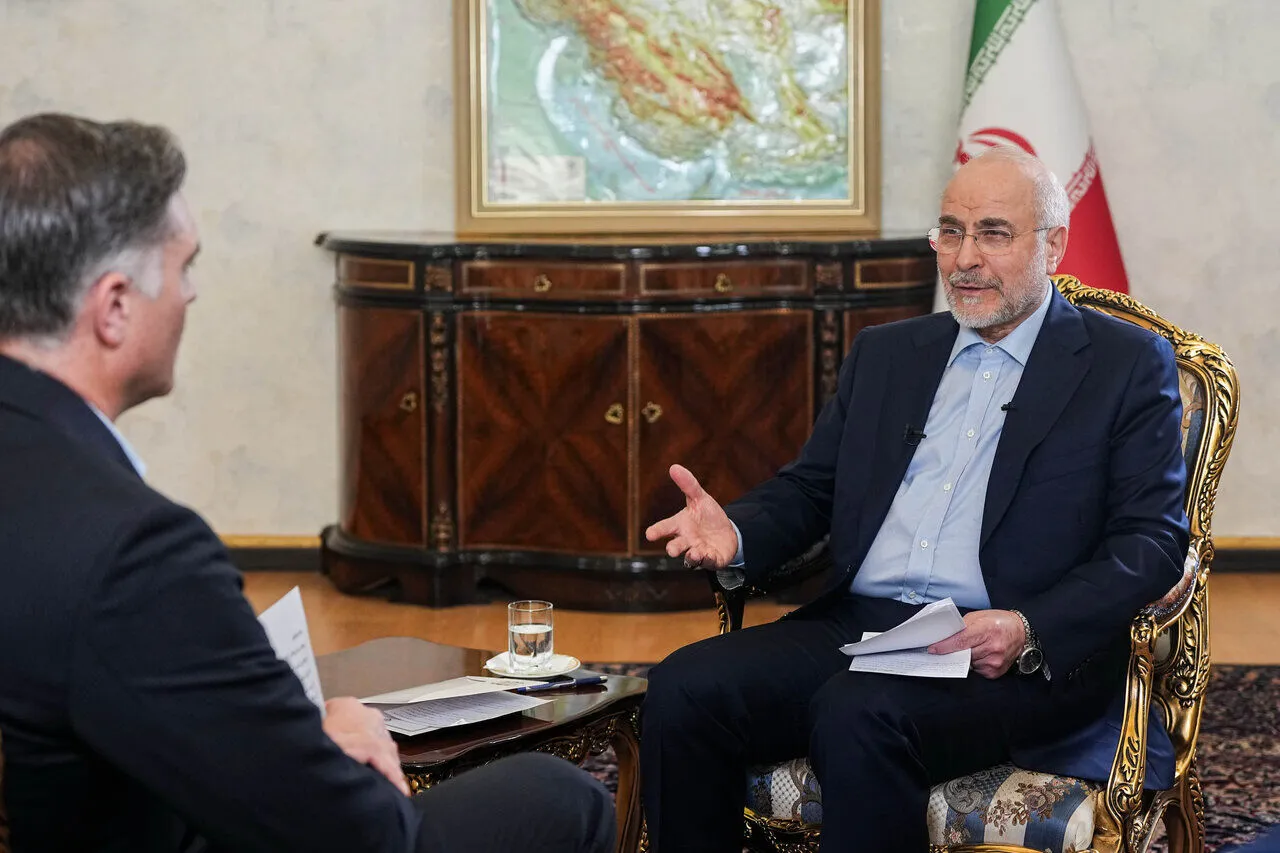
Speaking in an interview with CNN in Tehran on Wednesday, Qalibaf emphasized that Iran does not oppose diplomacy in principle, but insists that negotiations must be genuine, balanced, and reliable. He warned that talks pursued “under the shadow of war” only escalate tensions and undermine the prospects for a meaningful outcome.
According to Qalibaf, diplomacy can succeed only if Iran’s economic interests are safeguarded and if negotiations are accompanied by credible assurances. “No diplomacy can be achieved without trust and guarantees,” he said, adding that Iran will not accept dialogue based on coercion.
Referring to U.S. President Donald Trump, the Iranian speaker said that if Trump aspires to be recognized as a peacemaker, including through a Nobel Peace Prize, he should distance himself from what Qalibaf described as “warmongers and advocates of surrender” within his political circle.
Qalibaf also questioned Washington’s intentions regarding proposed talks, arguing that the nature of any dialogue must first be clarified. He said Iran would consider negotiations only if they take place within internationally accepted rules and norms and are based on mutual respect.
Drawing on past experience, Qalibaf said Trump’s record reflects a preference for pressure rather than diplomacy. “What we have seen so far indicates an attempt to impose political will,” he said, adding that when such pressure fails, it is often replaced with threats of war.
He pointed to the 2015 nuclear deal, formally known as the Joint Comprehensive Plan of Action (JCPOA), which was the product of multilateral negotiations and endorsed by a United Nations Security Council resolution. Despite this, Qalibaf noted, the Trump administration withdrew from the agreement in 2018 and reinstated broad sanctions against Iran.
Qalibaf added that during Trump’s second term, Iran once again entered negotiations with the United States. However, he said the process collapsed when, just two days before the sixth round of talks scheduled for June 13, the negotiating framework was effectively destroyed by military action. “If this is the intention behind such talks, then this cannot be called negotiation or dialogue,” he said.
In recent weeks, Trump has intensified threats of military action against Iran, following unrest that began as economic protests but later escalated into violent incidents. Iranian authorities say armed groups were responsible for attacks that killed civilians and security personnel and caused significant damage.
Iran has accused the United States and Israel of backing the unrest, arguing that the two allies are seeking to offset what Tehran describes as their failure in the 12-day conflict in June.


















