Iranian Company Develops Nano-Antibacterial Compounds without Toxic Materials
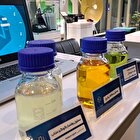
“Our products at the nanoscale include antibacterial masterbatches, graphene-based textile reinforcement masterbatches and high-fiber masterbatches. Each of these products enjoys significant performance advantages over traditional compounds,” said Ahmad Yavari, the managing director of the knowledge-based company.
He added that the company's most prominent product is the antibacterial polyethylene compound containing nanoparticles, which has been commercialized over the past two years and is used in various industries.
“These compounds do not contain toxic substances like arsenic or antibacterial organic compounds and enjoy much better performance in terms of safety and biocompatibility,” Yavari said.
“Nanoparticles prevent the growth and proliferation of microorganisms by releasing active ions, destroying the bacterial cell wall, preventing the formation of biofilms and producing reactive oxygen species. These properties have led to the use of these products in the food industry, medical equipment and packaging of hygiene products,” he underlined.
In a relevant development in July, the head of the Motamed Academic Center for Education, Culture and Research Cancer Research Institute had also announced the success of Iranian researchers in production of polymer nanoparticles with the capability to carry high amounts of hydrophobic antibacterial drugs.
“These nanocarriers have been designed and manufactured with the aim of achieving high drug loading, optimal size, and strong antibacterial properties against a wide range of pathogens while maintaining biocompatibility,” said Ramin Sarami Foroshani.
Also, Zahra Mohammadpour, the director of the Medical Nanotechnology Group at the Research Institute and senior researcher of this project, whose article was published in the Chemical Engineering Journal with an impact factor of 14, said, “These polymer nanoparticles, which are synthesized by controlled polymerization (RAFT) and with a block copolymer structure, have a hydrophobic core and a hydrophilic shell with active amine groups.”
“This unique core-shell structure gives them the ability to effectively load hydrophobic drugs with low bioavailability. Also, the presence of active amine groups in the shell has caused these nanoparticles to have inherent antibacterial properties. To ensure the highest drug loading percentage and the smallest nanoparticle size, the manufacturing parameters were optimized using statistical modeling. The results of the experiments showed that this nanoformulation, in addition to its high antibacterial power against gram-positive and gram-negative bacteria, was also safe for human cells and did not cause significant cytotoxicity or hemolysis,” she added.
“Also, cellular uptake experiments showed that these nanoparticles are well absorbed by cells and therefore have high potential for targeted drug delivery to cells, including cancer cells. Studies of the mechanism of action also indicate that the antibacterial effect of these nanoparticles is mainly through damage to the bacterial cell wall and the release of cellular contents,” Mohammadpour said.
“This achievement is not limited to the treatment of bacterial infections, and given the shell-core structure and high ability to load hydrophobic drugs, these polymer nanoparticles can be used as effective nanocarriers in drug delivery systems for various applications, including the treatment of cancer and other diseases,” she noted.
4155/v