Iranian Scientists Develop New Generation of Antibacterial Wearable Devices
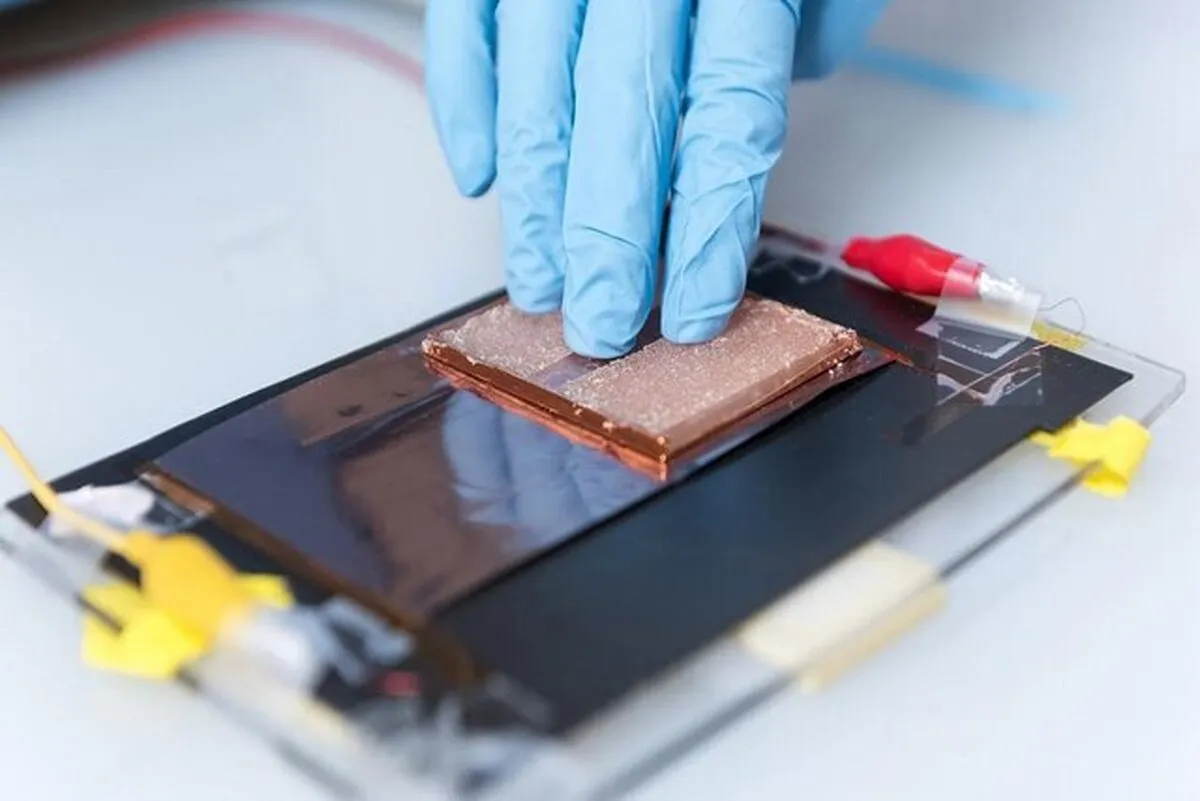
The scientists studied the effects of the polarity of the electric charge and the type of host material in fighting bacteria in a comprehensive study. The research was conducted on two negatively charged bacterial models, Escherichia coli (E. coli) and Staphylococcus aureus (S. aureus).
The research showed that using positively charged host materials (such as aluminum or graphene oxide), the growth of bacteria is significantly inhibited. This effect is due to electrostatic interactions between bacteria and the host material, which leads to the absorption of electrons from the respiratory chain of bacteria. As a result, the energy of the bacteria is disrupted and their growth is stopped. This behavior was observed especially against aluminum and graphene oxide.
But a more interesting point that was obtained in this research was the effects of the polarity of the negative charge. In the presence of a negative charge, significant differences in antibacterial behavior were observed. While aluminum did not have much antibacterial properties, graphene oxide showed a much better performance. This effect is attributed to the production of reactive oxygen species (ROS) on the surface of graphene oxide. These species affect bacteria and quickly inhibit their growth.
Based on the research results, the choice of host material has a great impact on the antibacterial performance of triboelectric nanogenerators. Considering that graphene oxide is able to effectively stop the growth of bacteria by producing reactive oxygen species (ROS), this material is known as an excellent option for use in antibacterial wearable devices.
In a relevant development in 2023, a team of researchers at an Iranian technological company had also produced nano-fabrics with anti-radiation properties that can be used to make wearable electrical clothes.
An Iranian technological company produces electronic textiles for shielding against electromagnetic radiation in the range of X-rays. The textile has improved conductivity, therefore, it is suitable for producing wearable electrical clothes.
Bahareh Moazenchi, the chairwoman of the board of directors of the mentioned Iranian company said that the textile can be used in various fields such as medicine and sports.
“Currently, the textile is being tried in the trial phase by one of the companies operating in the field of orthopedic equipment production. Since this fabric is electrically conductive, it can be used to produce wearable electronic clothes,” she also said.
“For example, if electronic parts are placed on sports clothes, without the need for wires, these fabrics can transmit the current from the energy supply source (battery) to the favored part (such as lamps). So, these fabrics can also be used to produce batteries and flexible electrodes. One of the properties of these textiles is that they are anti-radiation material to protect the user against electromagnetic radiation,” the managing director added.
Moazenchi pointed to the production of chemicals with fireproof, anti-pest and anti-microbial properties as other products made in their company, saying, “Currently, a growing number of paper producing companies use our products.”
4155/v