Lipar Wetland: Iran’s Stunning Pink Lake Draws Nature Lovers
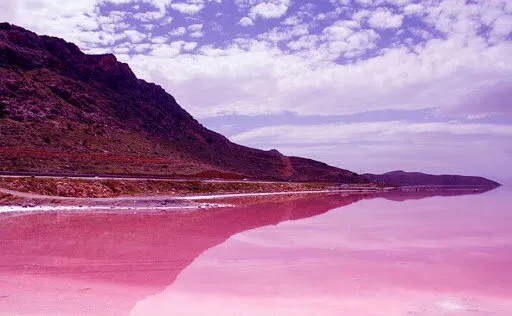
Unlike the familiar blues and greens of most lakes and oceans, Lipar Wetland captivates visitors with its pink-hued waters, making it one of Iran’s most unique ecological attractions. The name “Lipar” refers to the plain where river and sea waters meet, forming this distinctive wetland over an area of approximately 14 square kilometers. Seasonal rainfall, monsoon winds, and marine conditions all influence its water levels and ecological balance, while nearby infrastructure, including the coastal road connecting Chabahar and Gawater, has shaped its current form.
The wetland’s pink color is primarily the result of abundant phytoplankton and other plant-based microorganisms interacting with high concentrations of organic and mineral materials carried by rivers. Seasonal marine currents further stimulate plankton growth, which peaks around December, intensifying the pink hue. The water’s salinity supports these natural processes.
The optimal time to visit Lipar Wetland is during mid-winter to spring, specifically February through April, or again in September and October. During these months, water levels and plankton density combine to produce the clearest pink effect. Summers are generally less suitable due to lower water levels and high temperatures. In years of favorable rainfall, the wetland can retain enough water for about three to four months.
Located near Ramin Village, 15 kilometers east of Chabahar, the wetland is accessible via the coastal highway. Visitors are rewarded with striking contrasts between the pink water and blue skies, creating a scene that feels almost otherworldly — a natural spectacle that once seemed possible only in animated films or dreams.
Beyond its vivid color, Lipar Wetland offers travelers the chance to explore one of the world’s rare pink aquatic ecosystems, complemented by the surrounding landscapes of southeastern Iran, including mini-mountain formations and other scenic natural sites in the Chabahar region.