Geneva, Two Negotiations and One Common Loser
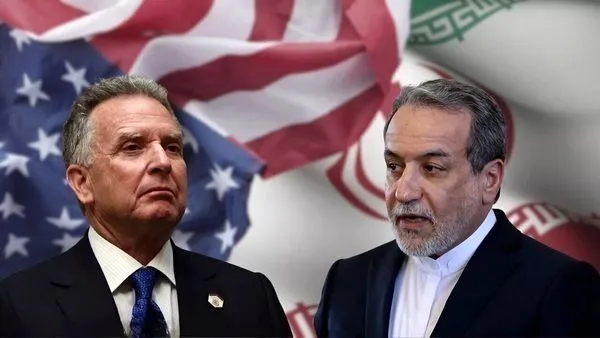
In recent days, Geneva has emerged as a focal point of global diplomacy. On one front, Iran and the United States resumed nuclear negotiations hosted by the Omani embassy. On another, Switzerland’s Foreign Ministry confirmed a meeting bringing together Russia, the U.S., and Ukraine.
Regardless of the outcomes, one shared reality stands out: Europe has no meaningful seat at either table. While participating actors at least secured the opportunity to present their views and exert relative influence over the negotiations, Europe has been deprived even of this minimum level of engagement. This exclusion is not incidental; it reflects shifting power balances and a redefinition of roles within a global order in transition.
Structural Non-Compliance and the Erosion of Trust
Europe’s track record in both the Iran and Russia files suggests that a pattern of “maximum demands without proportional commitments” has taken root.
In the case of the 2015 nuclear agreement — formally known as the Joint Comprehensive Plan of Action (JCPOA) — European powers failed not only to operationalize their economic commitments but also to deliver effective financial mechanisms promised to offset U.S. sanctions. Partial or stalled implementation of provisions under United Nations Security Council Resolution 2231, coupled with political pressure campaigns, contributed to a steady erosion of mutual trust.
In the Russia file, Moscow has viewed Europe’s extensive military and financial support for Ukraine, the freezing of Russian assets, and developments related to North Atlantic Treaty Organization (NATO) as breaches of prior understandings. The result has been a dual trust crisis for Europe — one that now manifests itself in exclusion from key decision-shaping processes.
In a diplomatic environment where trust is the primary currency, actors perceived as unreliable gradually find themselves sidelined.
Security Dependence and the Limits of Strategic Autonomy
One structural root of Europe’s current predicament lies in its longstanding dependence on the American security umbrella. For nearly eight decades, the continent’s defense architecture has rested largely on Washington’s guarantees. Over time, this outsourcing of security extended into political and economic realms.
Recent episodes — including economic pressure and unilateral policy moves from the U.S. — have underscored Europe’s limited room for fully independent decision-making at critical junctures. Although European leaders have repeatedly emphasized strengthening indigenous defense capacities at forums such as the World Economic Forum in Davos and the Munich Security Conference, a tangible gap remains between rhetoric about “strategic autonomy” and structural realities.
Europe’s absence from the Geneva negotiations can thus be interpreted as a symptom of this very gap — between the claim of independent agency and the persistence of strategic dependence.
Persisting on a Costly Path
Despite media signals suggesting a European return to more assertive diplomacy, evidence indicates continued adherence to previous patterns — characterized by political interventionism, costly alignments, and at times reactive policymaking. Unconditional support for certain regional actors, unilateral positioning, and politicization in international forums have arguably deepened polarization rather than restoring Europe’s influence.
In an emerging global order increasingly defined by multipolarity and a more balanced distribution of power, successful actors will be those capable of building trust through interactive and responsible engagement. If Europe seeks a return to the heart of global equations, a reassessment of its behavioral model appears unavoidable. Otherwise, exclusion from critical decision-making tables may shift from an episodic development to a lasting trend.