Tel Aviv on High Alert as Iranian Hackers Breach Top Military and Political Accounts
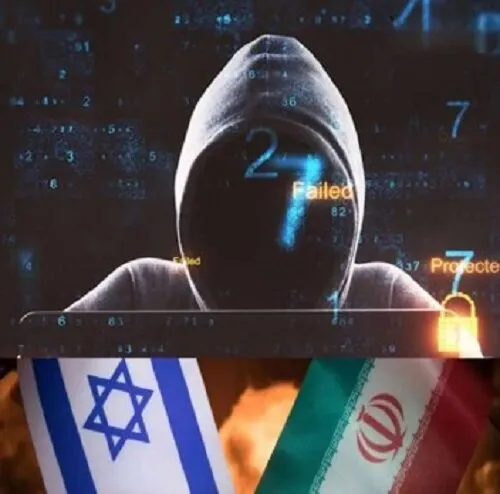
Security sources from the occupied territories indicate a significant wave of Iranian cyber operations, including attempts to compromise politicians’ and military officials’ accounts. The attacks coincide with heightened military alertness, particularly at Nevatim Airbase, where Brigadier General Yotam Sigler and his family have received unprecedented personal protection following the disruption of an alleged Iranian-linked assassination plot. Seven northern residents have reportedly been arrested in connection with the plot.
The base itself has been hit twice by Iranian missile strikes in the past, with damages confirmed but never fully disclosed. Israeli security experts note that providing such protection is usually reserved for top military leadership, highlighting the severity of current threats.
Cyber offensives, according to Haaretz, include hundreds of phishing and spear-phishing attempts targeting emails, messaging apps, and Google accounts of politicians, military personnel, journalists, and academics. Leaked data has included Telegram accounts of prominent figures such as former Prime Minister Naftali Bennett, former Minister Ayelet Shaked, and other senior officials. Hackers have also exploited social engineering tactics to impersonate organizations and gain access to sensitive contacts.
While Israeli-affiliated hackers tend to focus on infrastructure attacks, Iranian operations rely on simpler yet highly effective methods, making them a persistent threat. Despite steps like two-factor authentication and public awareness campaigns, Israel remains one of the most targeted nations globally, revealing gaps in legal and cybersecurity frameworks.
In response, the Israeli Cyber Directorate has proposed new legislation to enforce minimum security standards for all institutions and require immediate reporting of significant cyber incidents, aiming to shore up defenses against the growing Iranian digital threat.