Iran Conducts Hormuz Drill to Showcase Readiness and Deterrence
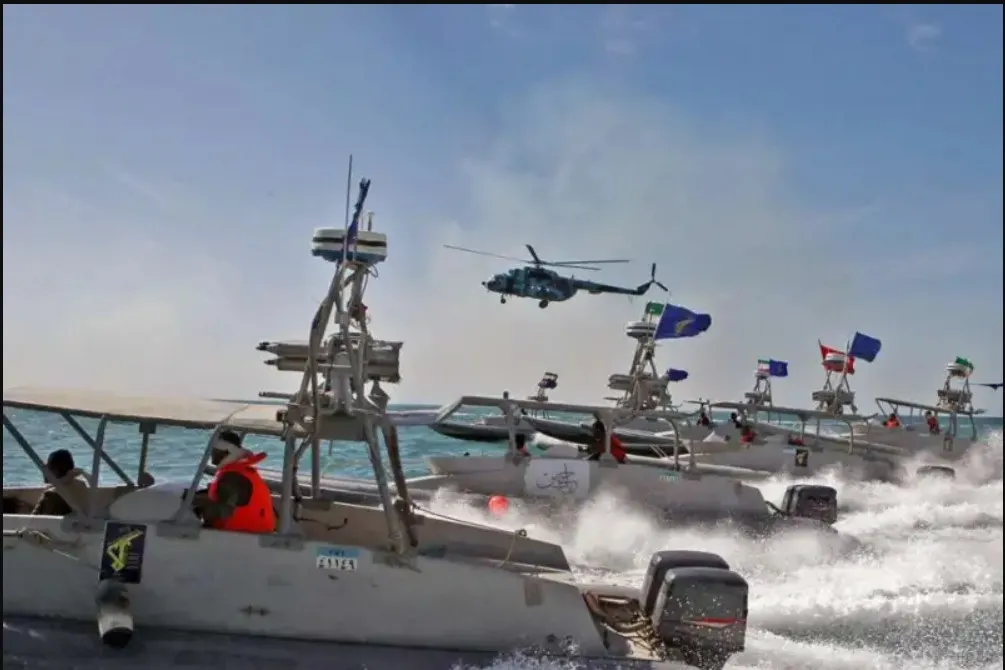
The military exercise, overseen by Major General Mohammad Pakpour, involved advanced domestically developed weaponry, operational units, and coordinated maritime strategies in one of the world’s most critical energy transit routes. The drill aimed to assess readiness, review counter-response scenarios, and leverage Iran’s geopolitical position in the Persian Gulf and the Sea of Oman.
As a vital international chokepoint, the Strait of Hormuz has long been a focal point of regional and global competition. Iran frames the exercise as part of a “preemptive deterrence” strategy—demonstrating layered, proportionate response capabilities to potential threats and reinforcing situational awareness in its strategic environment.
The drill also emphasizes Iran’s legal right under international law to safeguard its territorial integrity and the security of its adjacent waters. By deploying indigenous systems and advanced platforms, Tehran signals that sanctions have not stalled technological progress and that regional security should not rely on external powers.
Strategically, the exercise conveys a dual message: reassurance to neighboring states that Iran’s defensive capabilities serve stability and maritime commerce, and a warning to extra-regional powers that unilateral intimidation will no longer dictate regional dynamics. It underscores Iran’s position that sustainable security depends on regional cooperation rather than reliance on foreign fleets.
The timing of the drill coinciding with the Geneva nuclear talks highlights the integration of military readiness and diplomacy in Iran’s broader strategy. By demonstrating defensive strength, Iran communicates to negotiators and adversaries alike that it is prepared to engage constructively without yielding to excessive external demands.
Ultimately, the “Smart Control” drill serves not just as a military exercise but as a strategic statement: Iran asserts its capability to protect national interests, deter threats, and shape the emerging balance of power in the Gulf, signaling that any hostile actions will be met with decisive response.


















