Scientists Completely Eliminate Leukemia in Preclinical Model
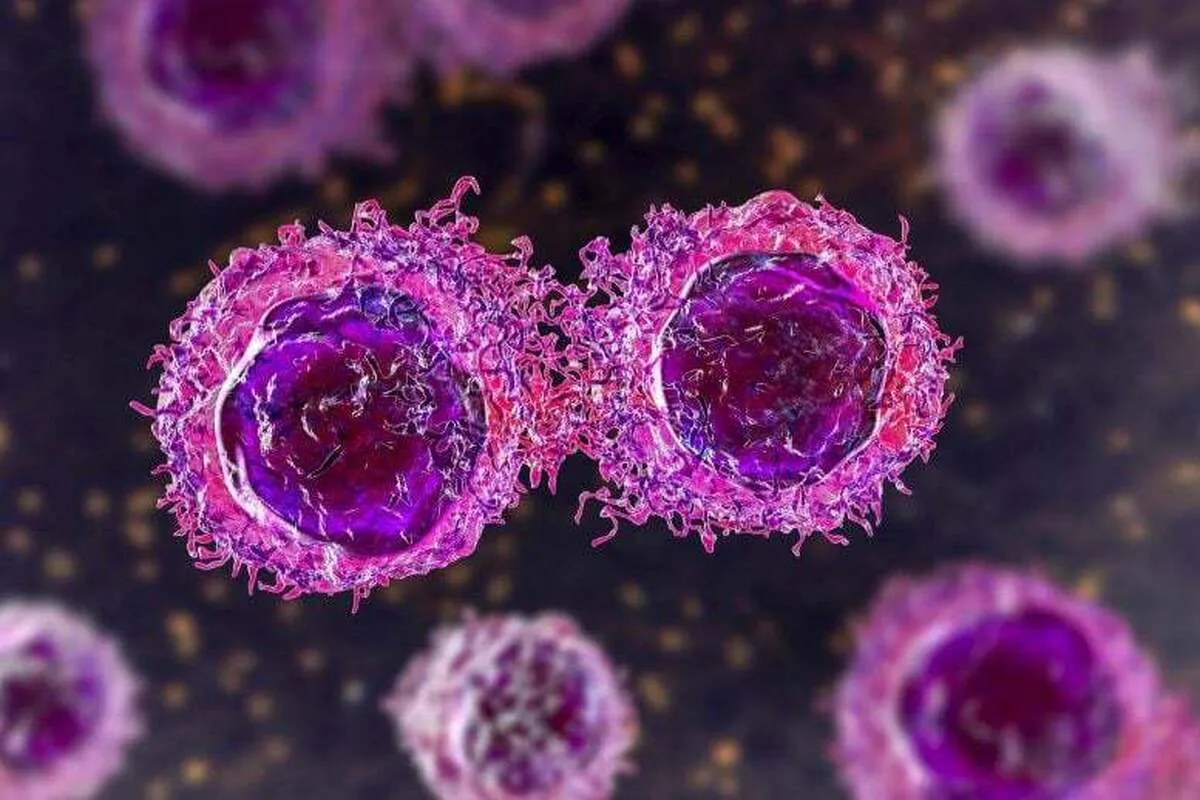
The goal of immunotherapy is to activate a patient’s own immune system to target and destroy tumor cells. In a preclinical study, researchers from the Institut Pasteur and Inserm successfully triggered a potent anti-tumor immune response by reprogramming how malignant B cells die. Their work demonstrated the effectiveness of a triple-drug therapy for treating certain blood cancers, including specific types of lymphoma and leukemia that affect B cells. The findings were published in Science Advances.
Immunotherapy represents one of the most promising frontiers in cancer therapy. It works by enabling a patient’s immune system to identify and selectively destroy tumor cells. Immune cells act as sentinels, constantly scanning the body to detect and remove lingering cancer cells, which helps prevent relapse. Among the latest immunotherapy methods is one based on a programmed cell death process called necroptosis. Unlike apoptosis, a form of silent cell death, necroptosis releases molecular signals that alert and activate immune cells to attack remaining tumor cells.
Researchers from the Dynamics of Immune Responses Unit (a joint Inserm/Institut Pasteur team) investigated how well this necroptosis-based immunotherapy could target hematological cancers. They discovered that inducing necroptosis in malignant B cells is difficult due to the absence of a crucial protein known as MLKL.
To overcome this hurdle, the scientists combined the administration of three drugs already used in clinical practice. They confirmed induction of necroptosis and observed a strong immune response leading to the complete elimination of leukemia in a preclinical model.
“The triple therapy we used forces cancer cells to die in a way that activates the immune system,” explains Philippe Bousso, Inserm Research Director, Head of the Institut Pasteur’s Dynamics of Immune Responses Unit and last author of the article.
The results were observed in preclinical models using an innovative intravital imaging technique. The scientists were able to monitor the interactions between immune cells and cancer cells in real time for the different types of cell death induced.
“This novel immunotherapy strategy, successfully tested in preclinical models, turns tumor cells into triggers for the immune system, pointing to a potential therapeutic avenue for certain cancers, such as lymphomas or leukemias affecting B cells,” explains Philippe Bousso.
“By changing the way cancer cells die, we can harness the support of our immune system to fight against the tumor,” he concludes.
4155/v