A Glance at Faculty of Law and Political Science/ University of Tehran/ Iran
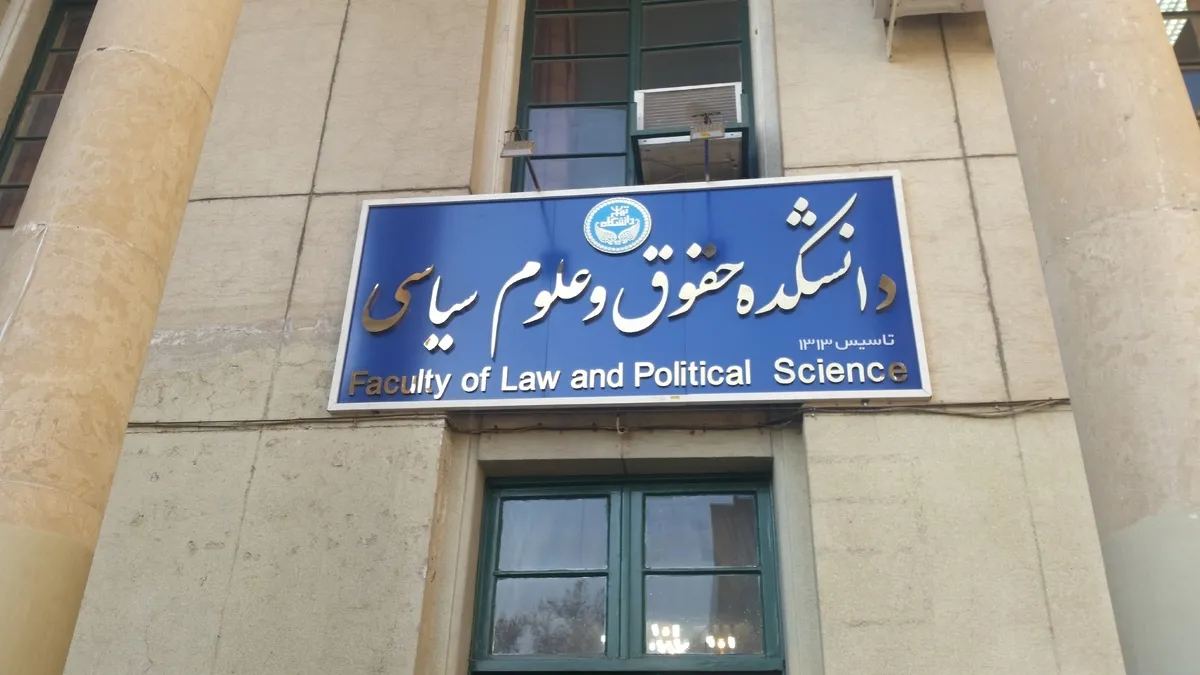
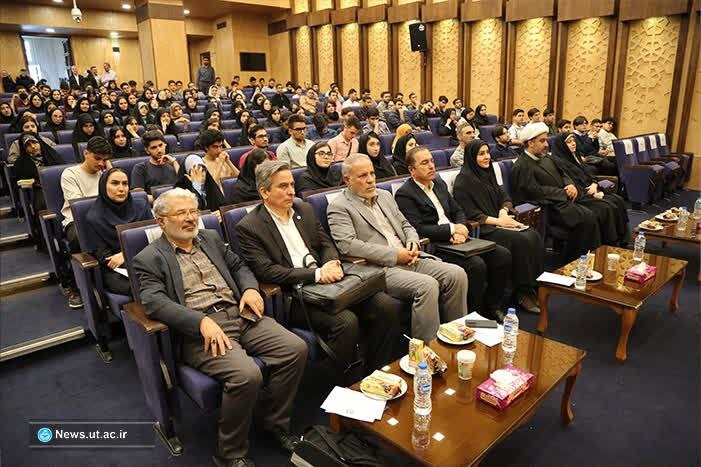
As an institution recognized as the paramount center for legal and political education in Iran, the Faculty shoulders the immense responsibility of cultivating the nation's future custodians of justice, architects of public policy, and leading experts in political theory and international affairs. Its output—both in scholarly research and professional graduates—significantly influences the trajectory of Iranian governance and diplomacy.
The following sections, which have been derived from a Canvas PDF (https://gapgpt.app/api/v1/canvas_pdf/ed87e9c2-6fa9-4008-8f8e-5cf97e5a0212.pdf), detail the evolution of this institution, the specialized nature of its departmental organization, and the multifaceted contributions it makes to national intellectual and practical spheres.
Historical Background
The genesis of the Faculty of Law and Political Science is inextricably linked to the modernization drive that characterized the early establishment of the University of Tehran itself. While the University's formal foundation often dates to the early 1940s, the need for a centralized, modern institution to replace older, less formalized systems of legal and political training was long recognized.
Early Foundations and Formative Years
The initial concept behind the Faculty was to serve as the bedrock for establishing a modern legal and administrative framework within the nation, moving away from purely traditional methods toward systematic, internationally informed political science.
Evolution and Expansion
As Iranian society and governance structures matured through the mid-to-late 20th century, the demands placed upon legal and political experts grew exponentially. This necessitated a significant expansion of the academic scope:
Diversification of Legal Studies: Initially, legal education might have been broader, but increasing complexity in areas such as commercial transactions, criminal justice reform, and constitutional interpretation required specialization. This led to the formal delineation of distinct legal branches within the Faculty’s structure.
Integration of Political Science: Recognizing that effective law and governance require a deep understanding of political structures, social dynamics, and international pressures, Political Science was formally integrated or co-located with Law. This structure fostered an interdisciplinary approach crucial for training sophisticated political analysts and legal drafters.
Periods of Reorganization: The history of the Faculty includes several significant structural reorganizations, often coinciding with major national political shifts or fundamental overhauls of the higher education system. These reorganizations were designed to enhance academic rigor, streamline administrative functions, and ensure that specific fields, such as Criminology or International Relations, received the focused attention required for advanced scholarship.
The Faculty’s endurance through various political epochs underscores its fundamental importance as a non-partisan intellectual repository for the principles of statecraft and justice, albeit one that operates within the established framework of the national legal system.
Academic Structure and Departments
The Faculty of Law and Political Science at the University of Tehran operates as a highly specialized, dual-pillar academic entity. While the wings share common administrative oversight and often collaborate on interdisciplinary research projects, their core pedagogical missions are distinct.
1. Department of Law
The Department of Law is the cornerstone of legal training, dedicated to producing graduates proficient in the interpretation, application, and advancement of codified and customary law. This department emphasizes foundational legal theory alongside practical application.
Key Areas of Study and Specialization:
Civil Law:
Focuses on private relationships, obligations, contracts, torts, property rights, and family law. It delves deeply into the Iranian Civil Code, examining its structure and application in commercial and personal disputes.
Advanced Topic Example: The theoretical limits of contractual freedom under Sharia principles and modern contract law.
Criminal Law and Criminology:
This area covers substantive criminal law (defining offenses and penalties) and criminal procedure. The Criminology sub-section explores the sociological, psychological, and economic roots of crime, aiming for evidence-based approaches to prevention and rehabilitation.
Research Emphasis: Comparative analysis of punitive measures and the efficacy of restorative justice models within the Iranian context.
Public Law:
This crucial area deals with the relationship between the state and the individual. It is broadly segmented into:
Constitutional Law: Examination of the fundamental structure of the state, separation of powers, fundamental rights, and the mechanisms for constitutional review.
Administrative Law: Governing the structure, procedures, and accountability of governmental agencies and bureaucratic processes.
Private Law:
While overlapping with Civil Law, this focus often emphasizes specialized areas such as commercial law, maritime law, and specialized business transactions, preparing students for corporate and financial legal practice.
International Law:
This section is further divided:
Public International Law: Governing relations between sovereign states, including treaties, state responsibility, the laws of war, and international organizations (e.g., the UN system).
Private International Law (Conflict of Laws): Determining which jurisdiction’s law applies when a legal dispute involves parties or transactions spanning multiple countries.
2. Department of Political Science
The Department of Political Science provides the theoretical and analytical framework necessary to understand power, governance, and international dynamics. It moves beyond formal legal structures to investigate the mechanisms of decision-making and societal organization.
Core Fields of Concentration:
Political Theory and Thought:
This field investigates the historical evolution of political philosophy, from classical thinkers (Plato, Aristotle) through Enlightenment figures (Locke, Rousseau) to modern ideologies (Marxism, Liberalism, Islamic Political Philosophy). Graduates master the intellectual heritage underpinning modern political systems.
Comparative Political Systems:
Students analyze diverse governmental structures across the globe, comparing presidential, parliamentary, and theological systems. A significant component involves deep analysis of the Iranian political system in comparison to others, focusing on institutional efficacy and democratic potential.
Iranian Political Sociology:
This specialization focuses specifically on the indigenous social and historical forces shaping contemporary Iranian politics. Topics include clerical influence, social movements, identity politics, and the role of civil society within the specific socio-political context of Iran.
International Relations and Diplomacy:
Concentrating on global security, foreign policy analysis, international political economy, and diplomatic practice. This area is crucial for training future diplomats and foreign policy analysts, often involving rigorous application of realist, liberal, and constructivist IR theories.
Mathematical Modeling in IR (Advanced): While primarily qualitative, advanced students may encounter quantitative analysis in modeling strategic interactions, such as Game Theory applied to nuclear proliferation or resource conflicts.
Key Activities and Contributions
The Faculty's influence extends far beyond its lecture halls, manifesting through rigorous academic programs, influential research, and active engagement with the apparatus of the state.
Education: Cultivating Expertise across Levels
The Faculty offers a comprehensive, multi-tiered educational structure designed to meet varying professional needs:
Bachelor of Arts (BA) / Bachelor of Laws (LLB): The foundational four-year programs provide broad exposure to both legal doctrine and political theory, ensuring a strong common base before specialization begins at the graduate level.
Master of Arts (MA) / Master of Laws (LLM): These programs allow students to focus deeply on one or two specialized subfields (e.g., International Public Law or Comparative Politics). The MA/LLM thesis serves as the first major independent research undertaking.
Doctorate (Ph.D.): The doctoral program is the pinnacle of academic achievement, demanding significant original contribution to knowledge. Ph.D. candidates engage in highly specialized, supervised research, often tackling complex, unresolved questions at the intersection of Iranian law and global political trends. The success rate and selectivity for the Ph.D. program are exceptionally high, ensuring only the most capable scholars proceed.
Research: Scholarship Driving National Discourse
Faculty members are expected to be pioneering researchers whose work informs both academic theory and practical policy.
Publication Output: The Faculty boasts a prolific output of peer-reviewed articles in prestigious national and international journals, alongside the authorship of foundational textbooks utilized across Iranian universities.
Focused Research Themes: Current research often orbits critical national priorities:
Legal Reform: Studies examining the harmonization of domestic statutes with international human rights conventions, or optimizing judicial efficiency.
Governance Models: In-depth analysis of state legitimacy, bureaucratic efficiency, and the impact of non-state actors on national policy.
Regional Diplomacy and Security: Scholarly work on Persian Gulf security architecture, Iranian foreign policy behavior, and the legal frameworks surrounding regional economic integration.
Public Service and Policy Integration
Perhaps the most tangible contribution of the Faculty lies in the career paths of its alumni and the direct consultative relationship it maintains with governmental bodies.
Alumni Network in Leadership: Graduates from the Faculty consistently occupy the highest echelons of Iranian public service:
Judiciary: Judges, prosecutors, and high court justices.
Executive Branch: Ministers, deputies, and directors in ministries such as Justice, Foreign Affairs, and Interior.
Legislature: Members of Parliament who draft and debate national legislation.
Advisory Role: The Faculty serves as an intellectual sounding board. When the Parliament drafts a complex piece of legislation (e.g., a new Banking Regulation Act or an amendment to the Penal Code), expert professors are frequently called upon to review drafts, offer legal opinions, and participate in specialized legislative committees.
Conferences and Academic Exchange
To maintain its status as a leading center, the Faculty fosters robust intellectual exchange:
Regular Seminars: Weekly or bi-weekly seminars provide platforms for junior faculty and advanced graduate students to present works-in-progress for rigorous critique.
National Conferences: Hosting large-scale national conferences on pressing issues (e.g., "The Future of Arbitration in Iran" or "Political Legitimacy in the Digital Age") draws practitioners and academics nationwide.
International Collaboration: When geopolitical circumstances permit, the Faculty organizes or participates in joint workshops with international universities, focusing on comparative law or multilateral diplomacy training.
Conclusion
The Faculty of Law and Political Science at the University of Tehran stands as an indispensable institution within the Iranian academic and professional landscape. Its historical development mirrors the nation's own trajectory toward modern statehood, requiring continuous adaptation and deepening specialization. By maintaining high standards in both the Department of Law—ensuring mastery of jurisprudence—and the Department of Political Science—ensuring sophisticated analysis of power—the Faculty effectively trains the key personnel required to govern, adjudicate, and analyze the complex challenges facing the nation. Its dedication to scholarly rigor, evidenced by its research output and the influential careers of its alumni, solidifies its position as the premier center for legal and political scholarship in Iran for the foreseeable future.
4155