
HUMAN`s specials

Study finds bidirectional link between media use for emotion regulation and children’s executive functions
(Tehran Ana)- A new study has found a bidirectional temporal relationship between parents’ use of media to regulate children’s emotions and children’s executive functions, suggesting that the two may influence each other over time.
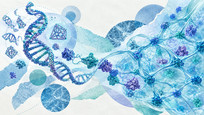
DNA–protein Hydrogels could enable adaptive smart materials
Researchers are exploring how DNA–protein hydrogels can turn molecular information into mechanical and functional properties in smart materials.

A job in midlife may help keep the brain younger in old age
(Tehran Ana)- A study by Columbia University researchers suggests that stable employment in midlife is associated with better memory and cognitive function in later life.
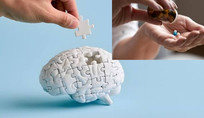
Genetic profile may determine who benefits from aspirin against dementia
(Tehran Ana)- A genetic analysis suggests that low-dose aspirin may be associated with a substantially lower risk of dementia in older adults with a specific platelet-related genetic profile.
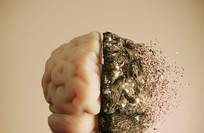
Alzheimer’s may disrupt immune cell production in bone marrow
(Tehran Ana)- A new study suggests that Alzheimer’s disease may impair bone marrow function, disrupting the production of immune cells needed to respond to the disease.
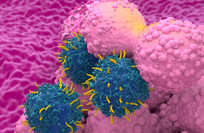
Study identifies more than 900 chemicals linked to breast cancer risk
(Tehran Ana)- A new study has identified more than 900 chemicals linked to breast cancer risk, many of which are still used in everyday products.
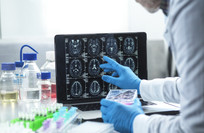
Researchers uncover how APOE4 damages brain vessels
(Tehran Ana)- Researchers at Mount Sinai have identified how the APOE4 genetic variant, the strongest genetic risk factor for Alzheimer’s disease, damages brain blood vessels and promotes the buildup of harmful proteins.
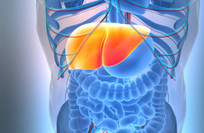
Russian scientists discover a way to restore fibrotic liver tissue
(Tehran Ana)- Russian scientists have found that mesenchymal stromal cells may help restore liver tissue affected by fibrosis in laboratory mice.
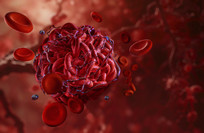
Smart wire maps stroke clots in real time
(Tehran Ana)- A sensor-equipped smart wire has shown promise in identifying the composition, location and size of stroke-causing blood clots in real time during clot-removal procedures.
Technology-to-Market