Researchers Reveal What Happens to Your Brain When You Don’t Get Enough Sleep
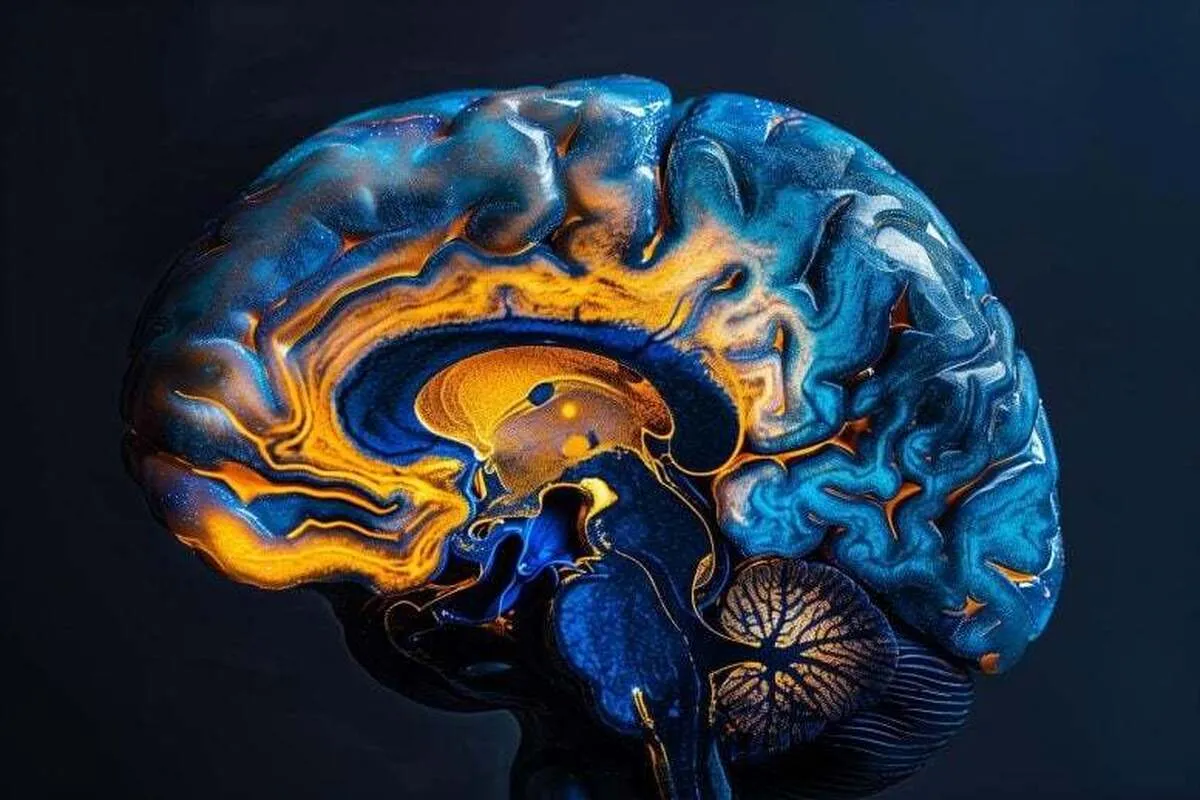
Poor sleep in older adults may interfere with the brain’s ability to clear out waste, according to researchers at The University of Hong Kong (HKU). A recent study, led by Professor Tatia M.C. Lee, Chair Professor of Psychological Science and Clinical Psychology and May Professor in Neuropsychology at HKU, explores how sleep quality affects brain function, the journal Molecular Psychiatry reported.
Previous research has linked poor sleep to cognitive decline. Professor Lee’s team focused on the glymphatic system, a network responsible for flushing out waste from the brain. This system plays a crucial role in maintaining brain health, especially as people age.
The researchers examined how disruptions in the glymphatic system might contribute to memory decline in poor sleepers. When this system malfunctions, harmful proteins accumulate in the brain, a process linked to neurological disorders like Alzheimer’s, Parkinson’s, and epilepsy.
“Sleep quality, brain activities, and glymphatic functioning are related. Understanding how sleep quality influences the glymphatic system and human brain networks offers valuable insight into the neurophysiological mechanisms underpinning age-related memory change,” Professor Lee said.
The research team studied 72 older adults using functional MRI scans and sleep recordings. The findings indicate that poor sleep quality adversely affects normal brain function by deactivating the restorative glymphatic system. “The results clearly reveal the effect of sleep on the human brain’s network through the glymphatic system, which in turn affects memory performance in older adults,” said Professor Lee. “Therefore, maintaining efficient glymphatic functioning seems crucial for promoting healthy aging.”
The results of the study add important evidence that sleep quality affects cognitive health through the underlying neural relationships. “Impaired memory is a common complaint among older adults with poor sleep quality,” Professor Lee noted. “Our results provide a novel perspective on the interplay between sleep, the glymphatic system, and multimodal brain networks.”
4155/v


















