Scientists Recognize Type 5 Diabetes as a Distinct Form, Affecting Millions Globally
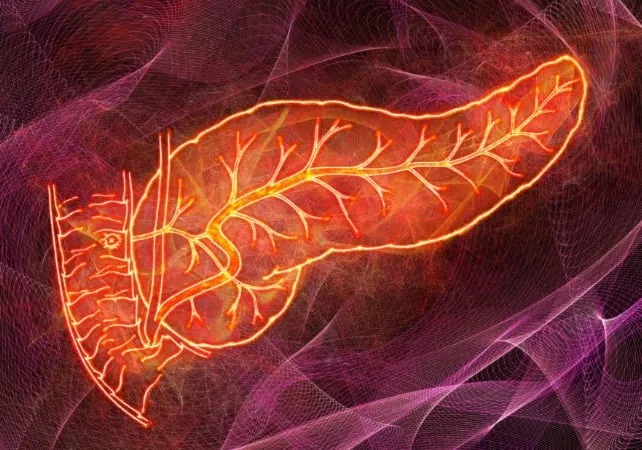
Type 5 Diabetes, previously referred to as malnutrition-related diabetes, has historically received little attention from researchers despite its significant global impact. This rare form of diabetes is often misdiagnosed as Type 1 or Type 2 diabetes and primarily affects adolescents and young adults who are underweight, rather than being linked to obesity, poor lifestyle, or autoimmune conditions.
Experts now believe that Type 5 Diabetes is caused by chronic nutritional deficiencies, which impair pancreatic beta cells’ ability to produce insulin. Unlike Type 1 or Type 2 diabetes, patients may not respond to conventional treatments, and insulin therapy can even pose life-threatening risks due to the body’s altered response.
The condition was first described in Jamaica in 1955, briefly recognized by the World Health Organization in the 1980s, but later removed from official classification due to insufficient evidence. Decades of debate among scientists left the diagnosis and treatment of Type 5 Diabetes unclear until now.
In a landmark move, the International Diabetes Federation (IDF) has announced the formation of a global task force dedicated to Type 5 Diabetes. Led by Professor Meredith Hawkins of Albert Einstein College of Medicine, the team aims to develop standardized diagnostic criteria, treatment guidelines, a global research registry, and specialized training programs for healthcare providers over the next two years.
“This recognition is a crucial step in raising awareness about a condition that causes significant suffering for millions worldwide,” said Hawkins. She emphasized that formal recognition is essential to securing research funding and advancing clinical knowledge.
Type 5 Diabetes often begins in childhood and is triggered by rare genetic mutations, usually exacerbated by poor nutrition. Early detection is critical and can dramatically improve patient outcomes. Experts recommend genetic testing for patients who do not respond to standard treatments, maintaining a nutrient-rich diet, monitoring blood sugar levels regularly, and adhering to continuous medical follow-up.
With the establishment of the IDF task force, scientists hope to improve understanding of this under-recognized form of diabetes, develop targeted therapies, and provide much-needed guidance for affected populations, particularly in regions with limited healthcare access.


















