Heart Attacks May Be Infectious, Vaccines Could Prevent Them
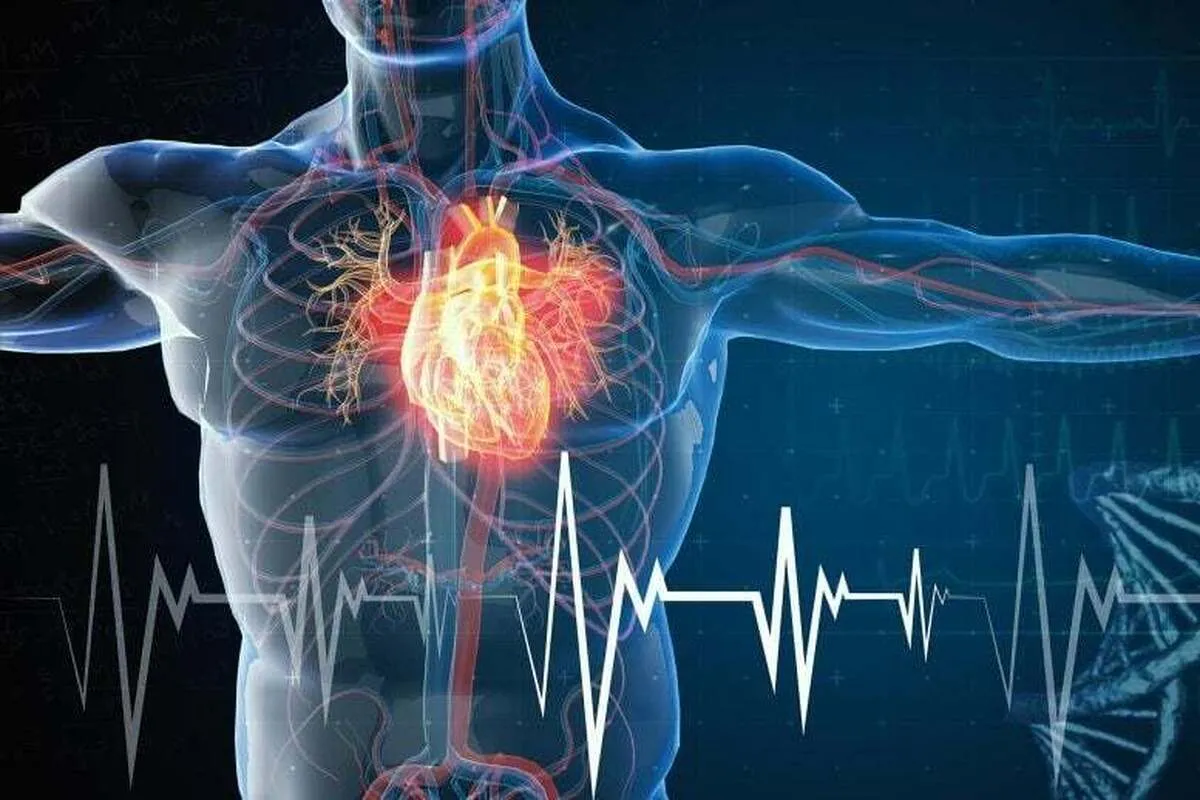
Hidden bacterial biofilms can lurk silently inside arterial plaques for decades, shielded from the immune system, until a viral illness or other trigger awakens them. Once activated, the bacteria fuel inflammation that ruptures plaques and blocks blood flow — leading to heart attacks, the Journal of the American Heart Association reported.
Recent findings suggest that infections could play a role in triggering myocardial infarction. Researchers using advanced techniques discovered that in coronary artery disease, cholesterol-rich atherosclerotic plaques may contain a jelly-like biofilm created by bacteria. These biofilms can develop silently over many years without causing symptoms. The bacteria inside remain inactive and are protected from both the body’s immune defenses and antibiotics, as neither can penetrate the dense biofilm structure.
The study indicates that a viral infection or another outside factor can awaken the dormant biofilm. Once activated, the bacteria begin to multiply, sparking inflammation. This immune reaction has the potential to weaken and rupture the fibrous covering of the plaque, which can then lead to clot formation and ultimately a heart attack.
Professor Pekka Karhunen, the study’s lead author, explains that until now it was widely believed that coronary artery disease was primarily driven by oxidised low-density lipoprotein (LDL), which the body identifies as a foreign substance.
“Bacterial involvement in coronary artery disease has long been suspected, but direct and convincing evidence has been lacking. Our study demonstrated the presence of genetic material – DNA – from several oral bacteria inside atherosclerotic plaques,” Karhunen explains.
The findings were validated by developing an antibody targeted at the discovered bacteria, which unexpectedly revealed biofilm structures in arterial tissue. Bacteria released from the biofilm were observed in cases of myocardial infarction. The body’s immune system had responded to these bacteria, triggering inflammation, which ruptured the cholesterol-laden plaque.
The observations pave the way for the development of novel diagnostic and therapeutic strategies for myocardial infarction. Furthermore, they advance the possibility of preventing coronary artery disease and myocardial infarction by vaccination.
4155/v