Araghchi: Economic fallout of US-Iran conflict could have been avoided
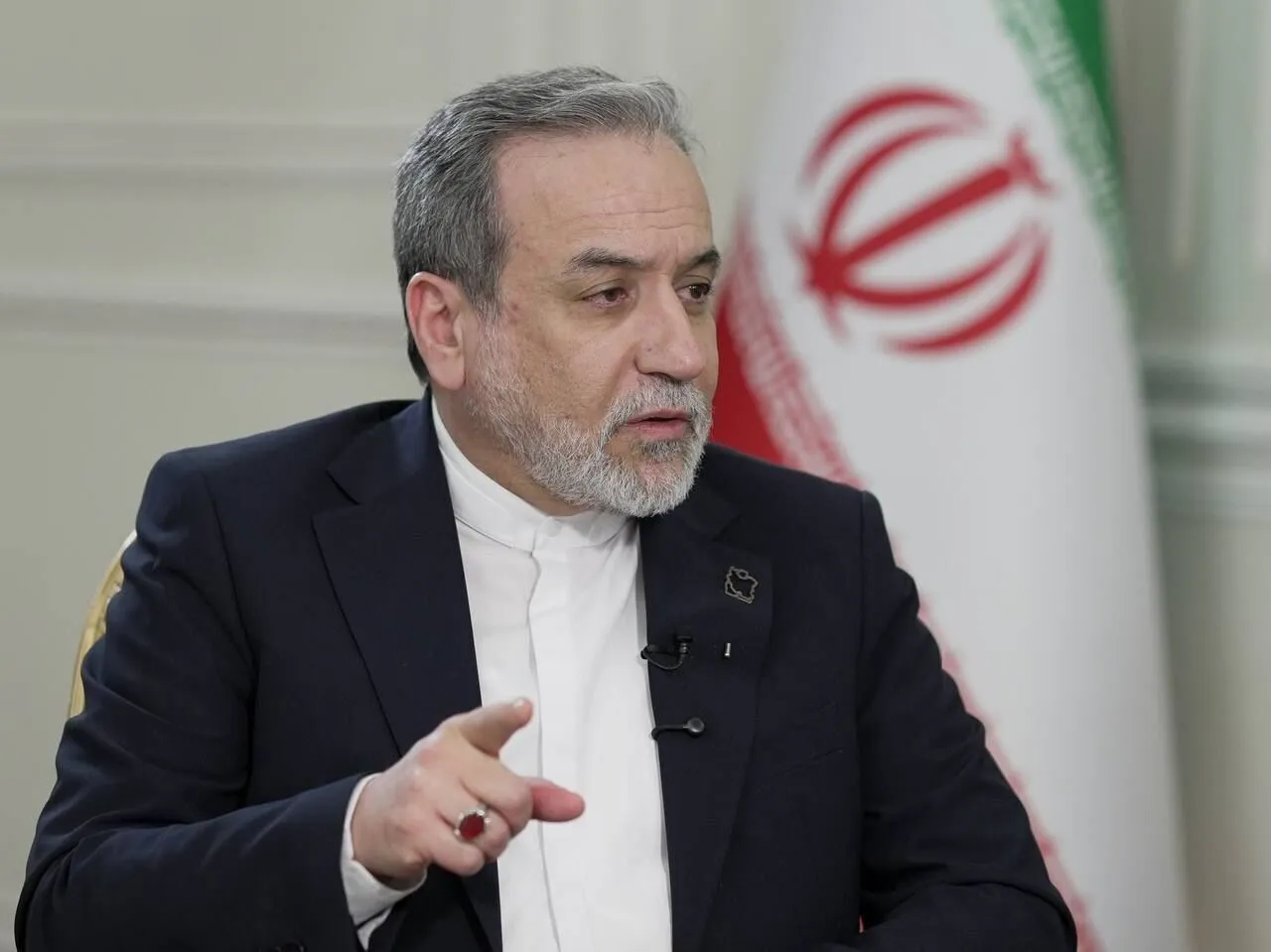
Araghchi addressed the issue in a post on his X account, noting, “Americans are told that they must absorb rocketing costs of a war of choice on Iran. Put aside gas price hikes and stock market fluctuations — real pain begins when U.S. debt and mortgage rates start to surge. Auto loan delinquencies are already at a 30-year high.”
He blamed the escalation on a large-scale, unprovoked attack by the United States and Israel, which included the assassination of Iran’s then-leader, Ayatollah Seyyed Ali Khamenei, alongside senior military commanders and civilians on February 28. The strike also claimed the lives of more than 170 students at a primary school in Minab, southern Iran, in the opening hours of the conflict.
In response, Iranian Armed Forces targeted American and Israeli positions in the region, demonstrating their capacity for effective retaliation. The attacks inflicted significant damage on military resources and strengthened national unity and resistance, contrary to initial expectations of a swift victory by the U.S. and Israeli forces.
Following an ultimatum issued by the U.S. president, Pakistan mediated a ceasefire agreement that allowed negotiations to take place in Islamabad. Iran has presented a ten-point plan for discussions, including U.S. troop withdrawal, lifting sanctions, and securing control over the Strait of Hormuz.
The Supreme National Security Council of Iran later stated that the war resulted in a historic Iranian victory, compelling the U.S. to accept negotiation terms, including guaranteed non-aggression and the cessation of hostilities. Araghchi concluded by stressing that the economic and political consequences of the conflict could have been entirely avoided had diplomacy been pursued from the outset.