Simple blood test could detect cancer at “Stage Zero”
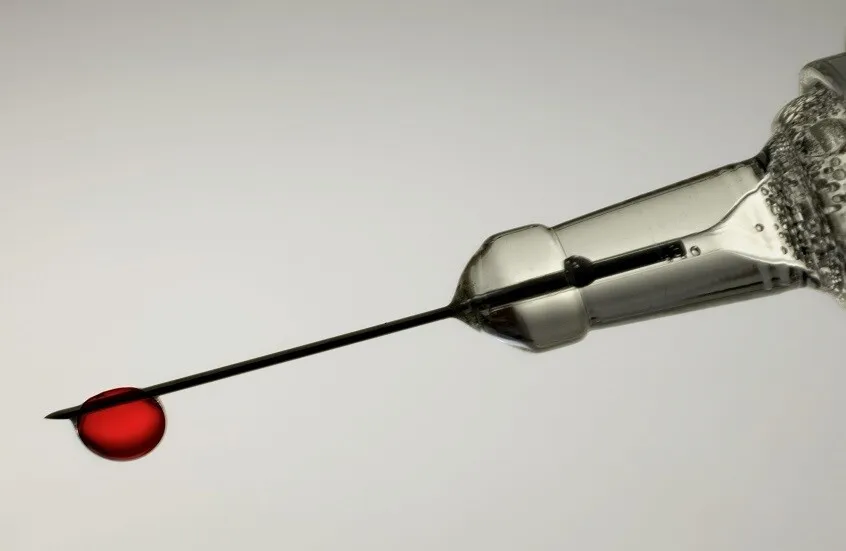
Professor Anastasia Muchalova has said that a simple blood test may enable the detection of cancer at what is known as “stage zero,” potentially years before tumors can be identified through computed tomography (CT) or magnetic resonance imaging (MRI).
She explained that early detection remains one of the most critical factors in improving cancer outcomes and highlighted the growing role of liquid biopsy, an emerging diagnostic approach that could eventually reduce the need for conventional tissue biopsies, which are often invasive and painful.
According to Muchalova, even at the earliest stages of development, tumors release fragments of their DNA into the bloodstream.
These fragments, known as circulating tumor DNA (ctDNA), can be detected through a routine venous blood test, making it possible to identify cancer long before it appears on conventional imaging. She noted that such early diagnosis could substantially increase cure rates.
The professor also emphasized the expanding role of artificial intelligence in oncology. AI-powered neural networks can analyze vast numbers of CT scans, MRI images, and histopathological slides, enabling them to identify subtle abnormalities that may be overlooked by the human eye, particularly under conditions of fatigue or heavy workload.
She added that AI can also help predict how an individual tumor is likely to respond to treatment by simulating hundreds of therapeutic scenarios within seconds.
In addition, advanced algorithms are already being used to identify individuals who would benefit from earlier and more comprehensive cancer screening, describing these technologies as a key component of the future of precision medicine.