Earth’s Oceans Are Boiling
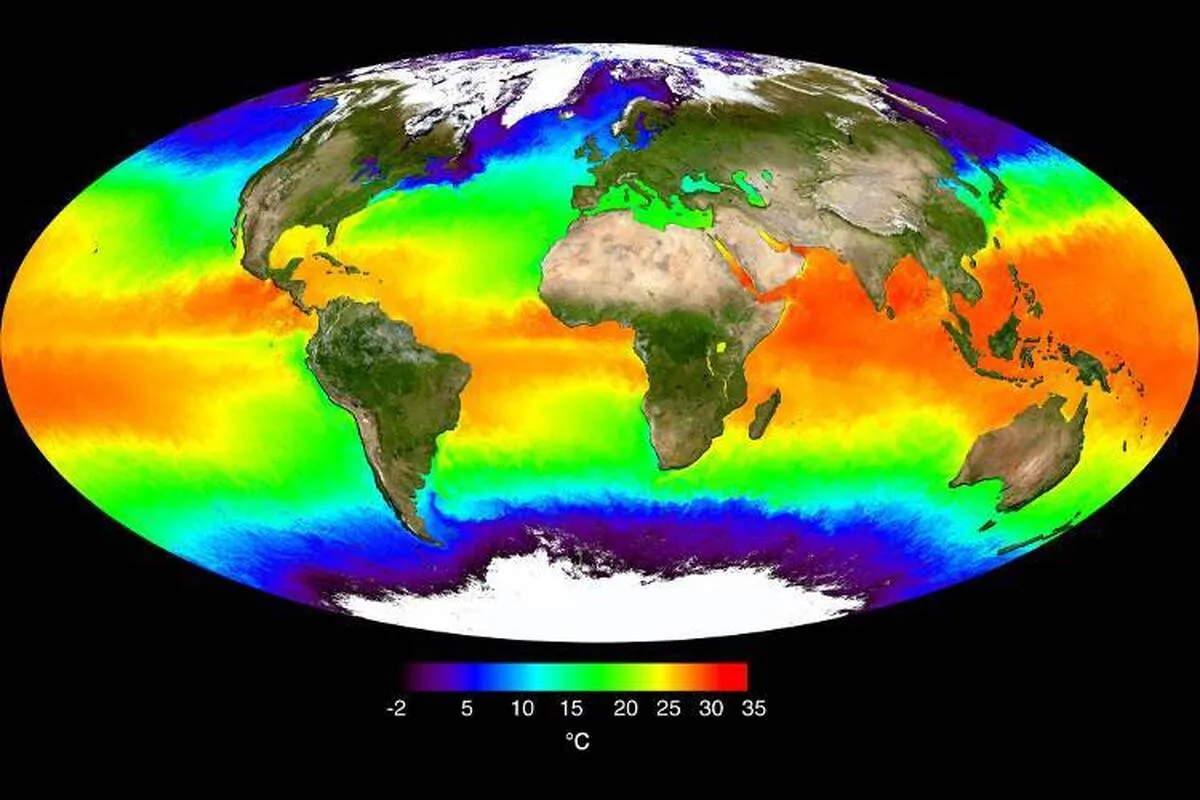
These unprecedented temperature spikes devastated coral reefs, disrupted marine food chains, and threatened global fisheries, the journal Science reported.
The marine heatwaves (MHWs) that swept across the globe in 2023 were unlike anything seen before in terms of strength, persistence, and size, according to a new scientific analysis. Researchers have identified the regional factors behind these extraordinary events and linked them to broader shifts in Earth’s climate system. Their work also raises concerns that the planet may be edging toward a climate tipping point. MHWs are extended periods when ocean temperatures soar far above normal levels.
Such episodes can cause serious harm to ocean life, triggering widespread coral bleaching and large-scale die-offs. They also threaten economies by disrupting fishing and aquaculture. Experts widely agree that human-driven climate change is causing both the frequency and severity of MHWs to rise sharply.
In 2023, vast stretches of the North Atlantic, Tropical Pacific, South Pacific, and North Pacific were gripped by extreme MHWs. While the impacts were clear, the precise causes behind the timing, duration, and strengthening of these widespread events have not been fully understood.
To investigate, Tianyun Dong and colleagues conducted a detailed global study using a combination of satellite data and ocean reanalysis, including high-resolution information from the ECCO2 (Estimating the Circulation and Climate of the Ocean-Phase II) project.
The team found that the 2023 MHWs surpassed all previous records for intensity, length, and coverage. These events persisted four times longer than the historical average and spread across 96% of the world’s oceans. The most extreme heating took place in the North Atlantic, Tropical Eastern Pacific, North Pacific, and Southwest Pacific, which together made up 90% of the total ocean heat anomalies recorded.
One striking example was the North Atlantic heatwave, which began in mid-2022 and lasted an extraordinary 525 days. In the Southwest Pacific, the affected area was larger and endured longer than any previously observed event. In the Tropical Eastern Pacific, water temperatures rose by as much as 1.63 degrees Celsius during the early stages of El Niño.
By applying a mixed-layer heat budget analysis, the scientists identified several contributing factors that varied by region. These included more sunlight reaching the ocean due to fewer clouds, weaker winds, and unusual shifts in ocean currents. According to the researchers, the scale and nature of the 2023 MHWs may reflect a significant change in how the ocean and atmosphere interact, potentially serving as an early signal of a looming climate tipping point.
4155/v