Iranian Knowledge-Based Firm Produces Polyurethane Foam for Wound Exudate
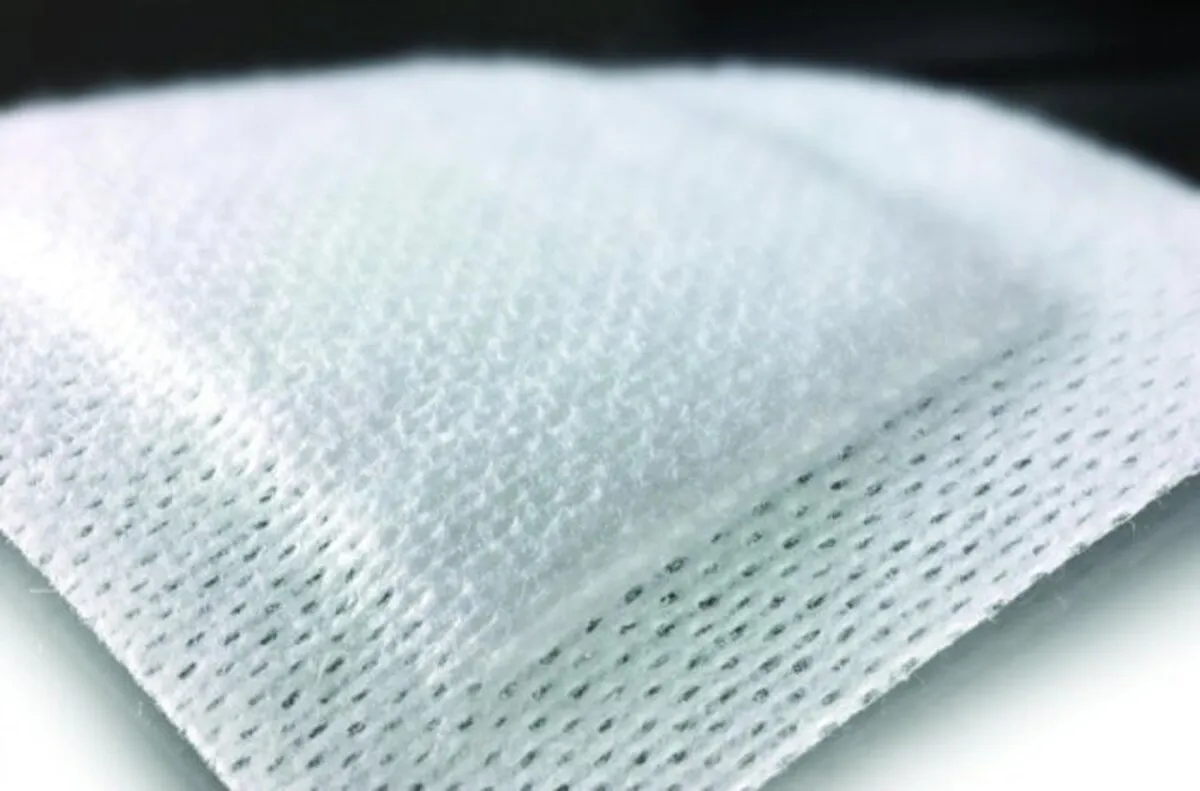
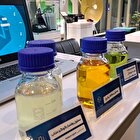
The technologists of the knowledge-based company took an important step towards the country's self-sufficiency in the field of medical equipment by producing polyurethane foam and were able to market a competitive and high-quality product at the international level.
Previously, the country's medical centers imported wound foams from other countries, which not only increased treatment costs but also limited patients' access to these vital products. But now, with the domestic production of the product, we will witness a significant reduction in costs and improved access for patients across Iran, specially chronic patients and those facing complex wounds.
At present, the company's products are exported to the regional states, including Iraq, Oman, Pakistan, and Afghanistan, and the Eurasian countries like Russia.
In a relevant development in April, Iranian researchers at Amirkabir University of Technology had also succeeded in designing and manufacturing a two-layer wound dressing based on alginate hydrogel and silk fibroin nanofibers, which accelerates the healing process of chronic wounds by 30% and reduces the risk of infection by half.
“Silk fibroin nanofibers, with a structure similar to the body's extracellular matrix, promote cell growth and increase the strength of damaged tissue. The hydrogel is a combination of alginate, gelatin, polydopamine, and zinc ions, which is made by 3D printing and provides antiseptic properties and faster wound healing,” Mana Haji Mohammad Hossein Kashi, a graduate of Amirkabir University of Technology and a senior researcher of this project, told ANA.
Noting that the wound dressing has received approval from the US Food and Drug Administration (FDA) for similar products due to the use of natural and body-compatible materials, she said, “Silk fibroin is extracted from cocoon production factories in Iran and alginate is extracted from algae in the Sea of Oman (Chabahar region in Southeastern Iran).”
“This not only reduces production costs by 40%, but also positions Iran as a regional pioneer in tissue engineering technology,” Haji Mohammad Hossein Kashi said.
“In addition to treating diabetic wounds and burns, this dressing can be used in skin graft surgeries and inflammatory diseases,” she underlined.
4155/v