Germany Plans to Pioneer Human Organ Manufacturing in Space
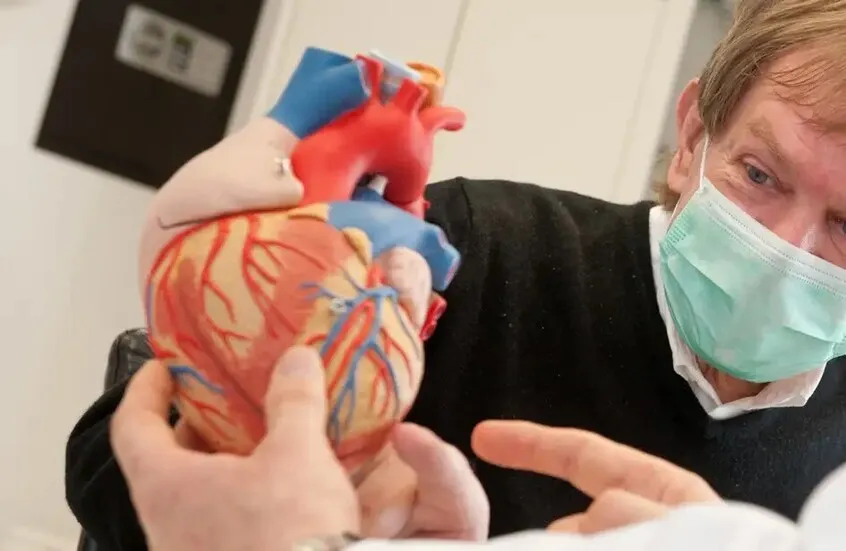
According to a draft policy document set to be approved by the CSU’s parliamentary group during its winter meeting this week at Seeon Abbey in Bavaria, the party believes that “the next industrial revolution will take place in Earth orbit.” The document expresses hope that “the first human organ manufactured in space will be developed in Germany.”
The paper highlights the potential of so-called “space manufacturing,” noting that microgravity conditions could enable innovations previously limited by Earth’s gravity. In particular, it argues that three-dimensional bioprinting in space could produce tissue structures and blood vessels with greater stability, potentially reducing reliance on donor organs such as hearts and livers and marking a major breakthrough in transplant medicine.
To turn this vision into reality, the CSU is calling for increased investment in research and development, as well as the construction of space stations equipped with specialized laboratories. The party also stresses the importance of ensuring Germany has “independent and sovereign access to space,” rather than relying on external partners for space missions.
Alexander Hoffmann, head of the party’s regional parliamentary group, told Focus magazine that the goal is to make Germany a leading technological nation at the forefront of global innovation. He said the party’s advanced technology agenda prioritizes investment in key fields including artificial intelligence, quantum computing, microelectronics, and biotechnology.
The document also outlines measures to support innovation, such as cutting bureaucratic hurdles for research, digitizing funding applications, and strengthening pharmaceutical infrastructure through the creation of a “national biobank” to unify Germany’s biological sample archives.
The policy paper concludes by underscoring that innovation holds “absolute priority” in the party’s vision for Germany’s future.


















