Magnetic Nano-composites Offer New Hope for Bone Cancer Treatment
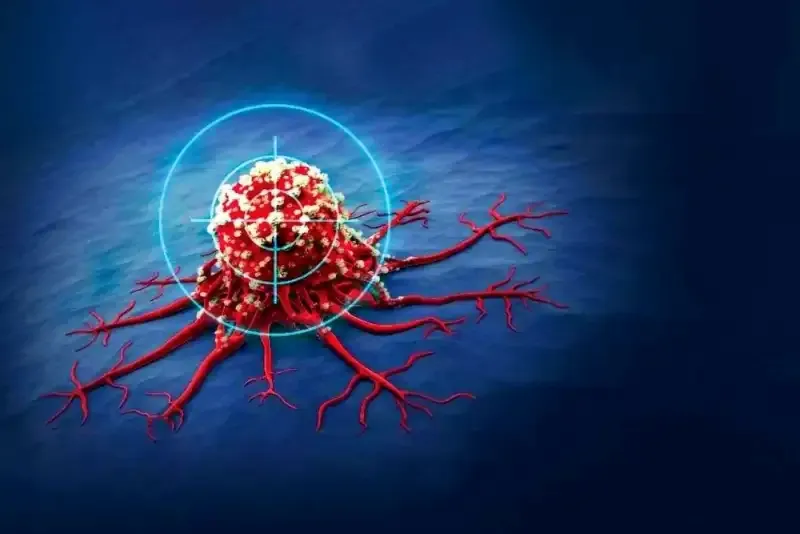
Scientific studies suggest that magnetism could play a significant role in cancer treatment. Recent research shows that magnetic bioactive nanocomposites may not only eliminate tumors but also aid in bone regeneration, presenting a major breakthrough in the fight against bone cancer.
Angela Andrade, the lead author of the study, explained that these nanocomposites use magnetic hyperthermia—a technique that “burns” cancer cells from within—while simultaneously supporting the growth of new bone tissue. The team synthesized magnetic iron oxide nanoparticles coated with bioactive glass. When exposed to body-like fluids, these nanocomposites rapidly formed phosphate minerals known as apatites, mimicking the inorganic component of bone and allowing seamless integration with existing bone tissue.
Dr. Andrade, from the Department of Chemistry at the Federal University of Ouro Preto (UFOP) in Brazil, highlighted that formulations with higher calcium content demonstrated faster mineralization rates and stronger magnetic responses, making them ideal for biomedical applications.
The magnetic properties of these nanocomposites allow oncologists to apply alternating magnetic fields to heat the particles inside cancer cells, effectively destroying them while leaving healthy cells unharmed. Meanwhile, the bioactive glass coating promotes tissue regeneration, making the approach a “seek, destroy, and repair” strategy rather than just “seek and destroy.”
Andrade added that the study provides new insights into how surface chemistry and structure influence the performance of magnetic biomaterials, opening the door to the development of advanced, multifunctional, clinically safe, and effective materials.
While previous magnetic approaches—such as ultra-sensitive magnetic sensors, magnetic nanoparticles, and MRI-guided magnetic seeds—have targeted cancer cells, they did not promote tissue regeneration. This new method, however, combines tumor eradication with bone repair in a single, minimally invasive treatment, offering superior therapeutic value for patients.