Iranian Scientists Simulate Lunar Soil
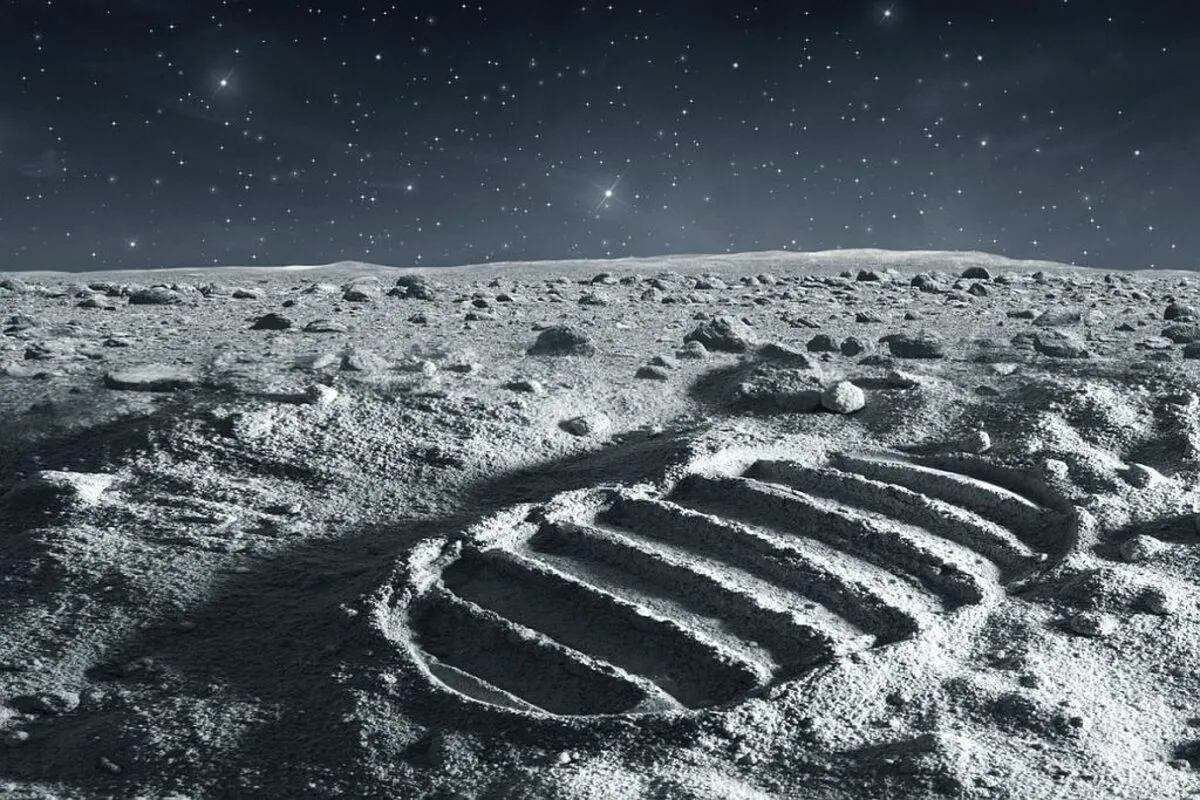
“The simulation of lunar soil was carried out for the first time in Iran by the University of Science and Technology in collaboration with the Faculty of Physics. The compositions of this soil were compared with the real sample of the Apollo 14 mission, and the results showed that the percentages of elements are very close,” said Mehdi Nasiri Sarvari, an assistant professor at the department of Satellite Technology Engineering.
He added that based on the NASA research, the growth conditions of plants in the simulated soil are almost similar to the real lunar soil.
“To cultivate plants in lunar soil, a special chamber is required, which was designed and built by a member of the university team and internationally registered. The first experimental cultivation was also carried out using the simulated soil and the chamber,” Nasiri Sarvari said.
Lunar soil contains no organic matter and is not formed through biologic or chemical means as terrestrial soils are, but strictly through mechanical comminution from meteoroids and interaction with the solar wind and other energetic particles.
Plants can grow in lunar regolith. They were not as robust as plants grown in Earth soil, or even as those in the control group grown in a lunar simulant made from volcanic ash, but they did indeed grow.
Finally, without wind and water to wear down the edges, lunar soil grains tend to be sharp with fresh fractured surfaces. Lunar regolith is made up of rock chips, mineral fragments, impact and volcanic glasses and a peculiar component only found on the Moon called agglutinates.
4155/v