Iranian Scientists Find Way to Control Blood Sugar, Wounds in Diabetics with Nanofibers
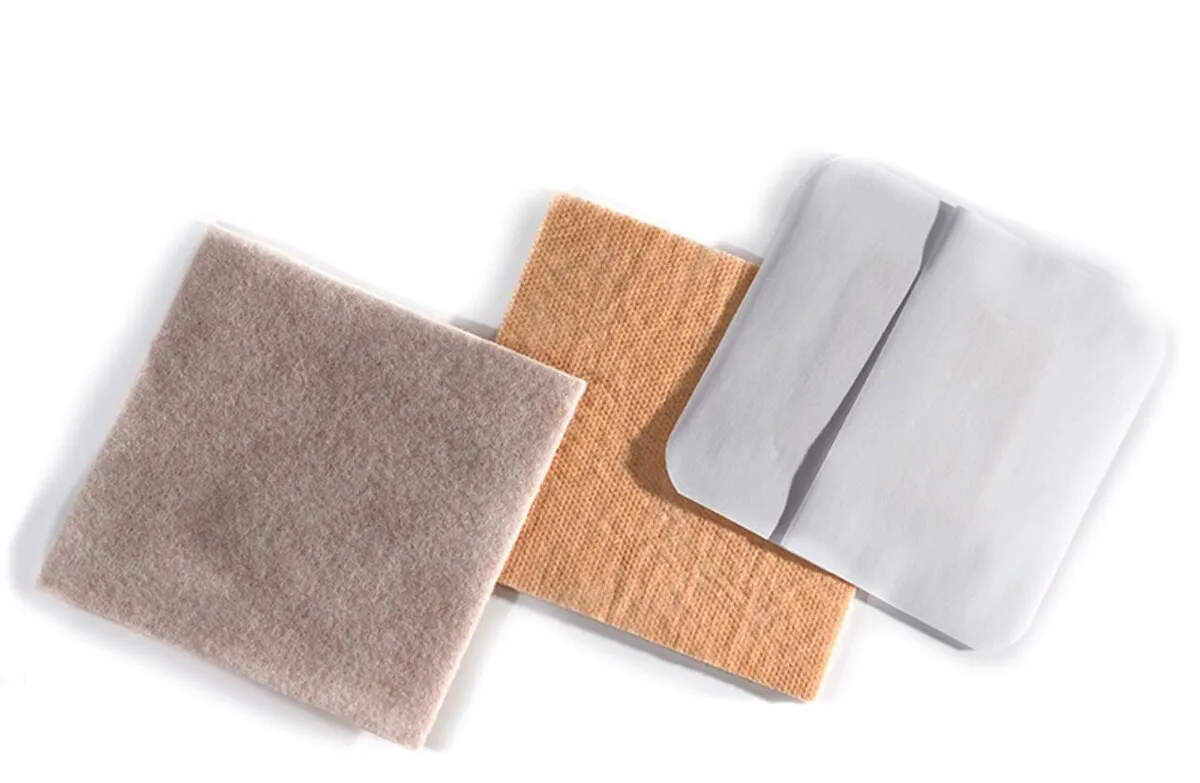
The research team used the electroporation method to produce nanofibers. This method allows for the preparation of very thin and regular fibers. The structural properties of these nanofibers were then examined by using electron microscopy and spectroscopy.
The researchers tested the drug in two ways; first, as a subcutaneous implant in the body of diabetic rats, and second, as a dressing placed on wounds. Finally, the results of these two methods were compared with the group that received insulin.
The results of these studies showed that subcutaneous implantation of nanofibers was not significantly successful in reducing blood sugar and failed to produce a significant change in glucose levels. This was likely due to the low amount of drug loaded on the nanofibers and its limited solubility.
However, an examination of the effect of nanofiber dressings showed that this method was able to significantly accelerate the wound healing process in diabetic mice. The epidermis and dermis layers formed faster and new skin tissues of better quality were formed. These positive effects were most likely due to the anti-inflammatory properties of pioglitazone.
In a relevant development in 2024, a knowledge-based company in Iran had also succeeded in manufacturing insoles proper for diabetic patients to prevent foot ulcers by using nanotechnology.
The occurrence of diabetic foot ulcers will be avoided by designing and producing medical insoles and shoes suitable for diabetics.
Diabetic foot ulcer is any wound that occurs as a direct result of diabetes or its complications in the patient's foot. It is an open wound on the foot of people with diabetes and is often seen on the sole of the foot.
The foot ulcer occurs in approximately 15 percent of people with diabetes and 6% of these people are hospitalized due to infection or other complications related to the wounds.
The risk of foot ulcer and amputation increases with age and the duration of diabetes. The presence of various diabetic wounds in the foot is called diabetic foot syndrome.
The problems that occur in the feet of people with diabetes are caused by peripheral nerve disorders and decreased blood flow in the body, which is caused by diabetes; therefore, it is very important to choose the right shoes for these people, the shoes should be long and wide enough but not too loose either.
In the special insoles designed by the Iranian company for the diabetics, special nanoparticles have been used to prevent the growth of bacteria.
4155/v