Iranian Scientists Produce High-Quality Gelatin from Persian Gulf Fish
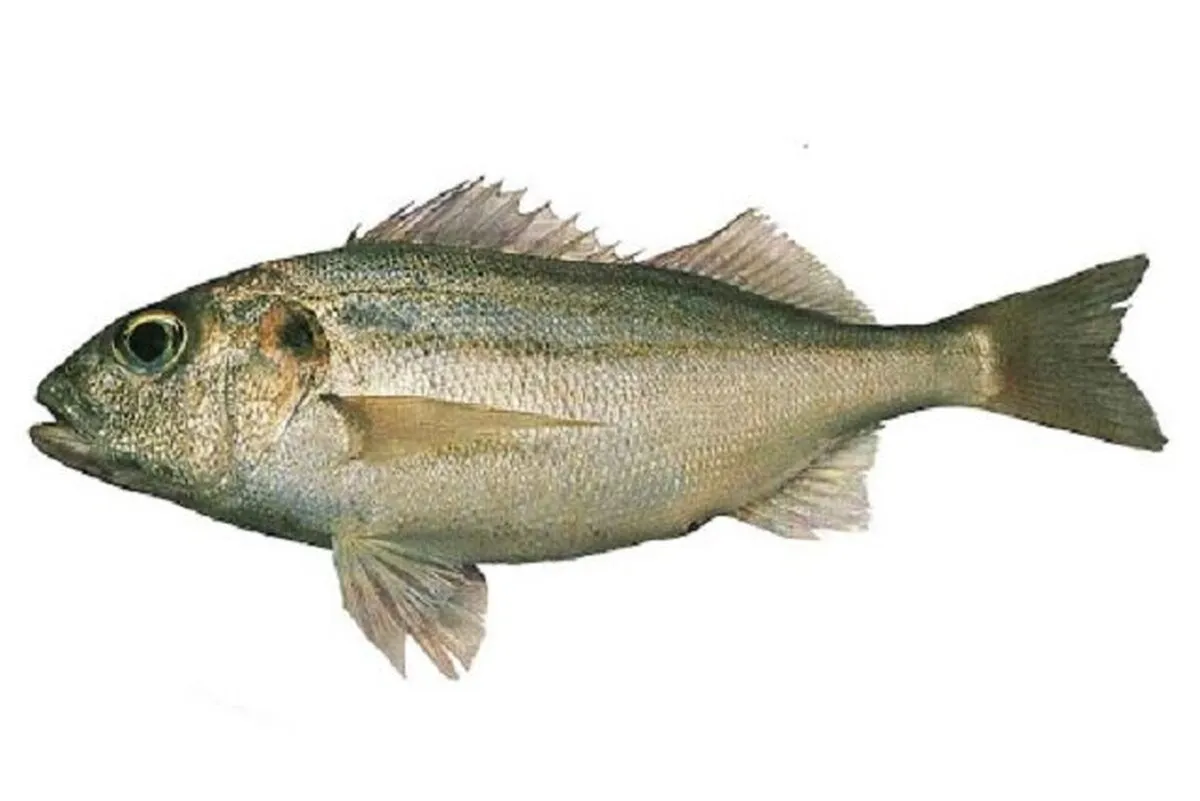
Narges Amrollahi Biouki, an associate professor of the Department of Marine Biology at the Faculty of Marine Sciences and Technology, Hormozgan University, together with researchers from the Persian Gulf University in Bushehr and Tarbiat Modarres University in Tehran, conducted a study on the extraction of gelatin from stonefish. The study focused on finding a suitable method for using the skin, scales, and bones of this fish as a fresh and healthy source for the production of gelatin.
The method of this study included extracting gelatin for the first time from three parts of the skin, scales, and bones of the common stonefish of the Persian Gulf coast. In this process, the researchers used an alkaline method and then examined properties like viscosity, gel strength, molecular weight, extraction efficiency, and protein percentage.
The results showed that gelatin obtained from fish skin had higher gel strength and viscosity than samples obtained from scales and bones. Its extraction efficiency was also higher, and all three samples had protein concentrations of more than 97%. The presence of major protein subunits was also confirmed in all samples.
Overall, this study showed that gelatin from stonefish, specially from the skin, enjoys higher strength and quality than gelatin extracted from other fish. Also, the alkaline method was identified as an efficient method for producing high-strength gelatin from this species.
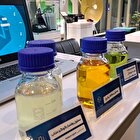
In a relevant development in 2024, Iranian researchers at a technological company had also succeeded in producing gelatin from poultry slaughterhouse waste with four applications.
“Recently, there has been a significant interest in the world to use natural materials and food to encapsulate different bioactive compounds, and for the first time in our company, gelatin nanoparticles from poultry gelatin to stabilize picking emulsion made with fish oil and orange oil containing lycopene was used in water and compared with bovine gelatin nanoparticles,” Ahmadreza Abedinia, the managing director of the company stationed at the growth center of Islamic Azad University’s Damqan branch, told ANA.
“Low cost, abundant availability, reduction of waste and prevention of biological pollution of the environment, novelty of the raw materials and the ability to be widely used in a variety of food and pharmaceutical products like syrup, drinks, cakes, bread, dairy products (ice cream, yogurt, milk, butter, etc.) is among the advantages of using the gelatin taken from poultry slaughterhouse waste,” he added.
Noting that the non-mammalian sources contain significant amounts of gelatin that closely resemble the desirable physicochemical, functional, and sensory characteristics of mammalian gelatins, Abedinia said, “Our product does not create concerns we have about the mammalian gelatins, and it can be used to make four other products, including pharmaceutical gelatin, food gelatin, gelatin modified for different applications and primary gelatin for nanoparticle gelatin.”
4155/v