Iranian Researchers Achieve Technical Knowhow of Producing Resistant Juvenile Fish
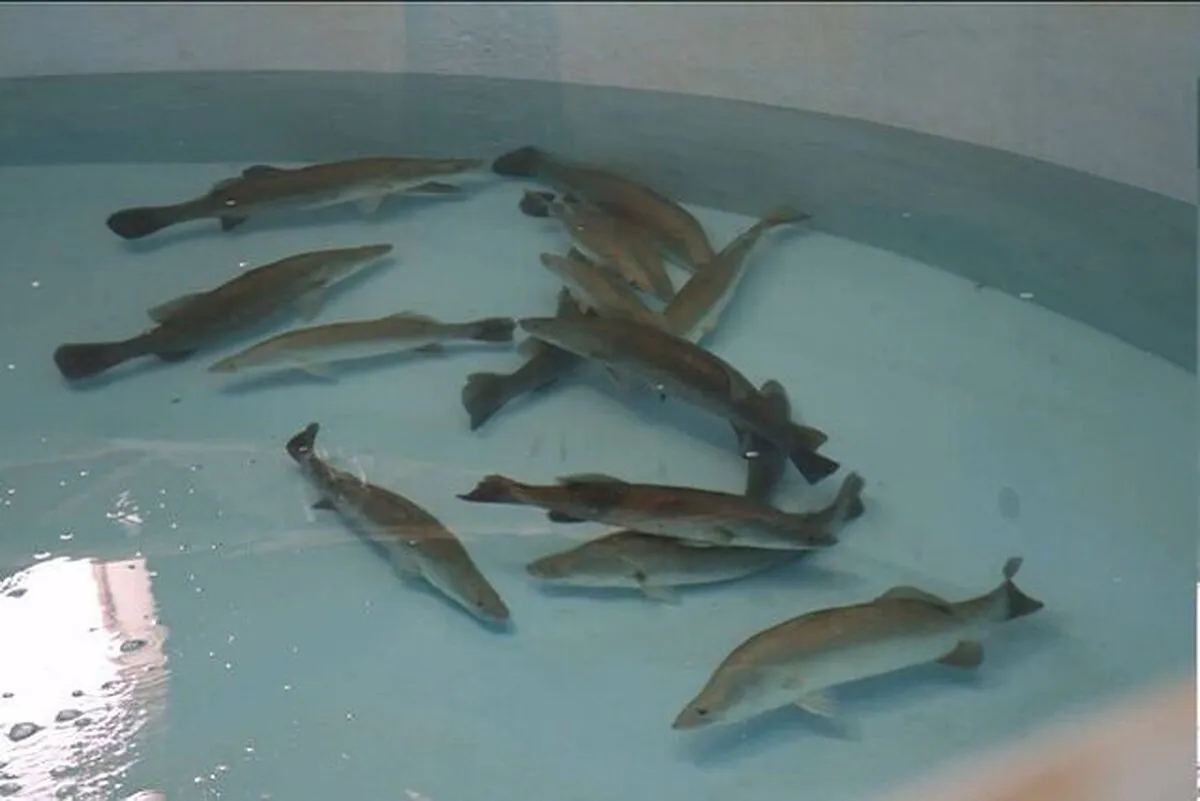
“In this project, which was implemented in close cooperation with fish farms, fish survival increased significantly and the feed conversion ratio improved during the breeding period,” said Ahmad Erfanmanesh, the project manager.
He underlined that the most important factor in this program was reducing antibiotic consumption which stopped at a weight above 100 grams.
“By implementing this project, the feed conversion ratio will improve by 30 percent,” Erfanmanesh said.
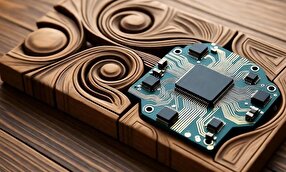
In a relevant development in 2023, an Iranian researcher had also produced micrometer hydrophane sensors which is an estimating tool to monitor and evaluate the environment and fish health under water.
Mojtaba Shams Natri, who is the researcher that has produced the miniature sensors, told the Iranian media that he produced the estimating tool while doing his Ph.D researcher project at Babol Noshirvani University of Technology.
He explained that the MEMS (micro-electromechanical system) is a miniature machine that has both mechanical and electronic components.
“At the beginning of my project, I worked with my supervisor (Dr. Ganji) on the microphone sensor that he himself had designed andand made in 2010, we published an article in that field together with him,” he said.
“Then, for my MS thesis, I picked micrometric sensors for fingerprint detection, which are very useful in mobile phones, laptops and security systems today,” he added.
"In the doctoral course, I tried to pick a topic that the country needs and investigate a new structure in this field. For that purpose, I chose the micrometer-sized hydrophone sensor as a doctoral thesis, the focus of which is to design it from the structure found in nature and on the bodies of fish. It has the feature to work on both active and inactive sonar types.”
“Among its applications, it is used in the shipping and maritime industry to monitor and assess the underwater environment, in the military industry as a submarine detector, and in the food industry in fishing vessels to monitor the aquatic life around the ship,” Shams Natri said.
4155/v