Could AI enable humans to talk to animals by 2030?
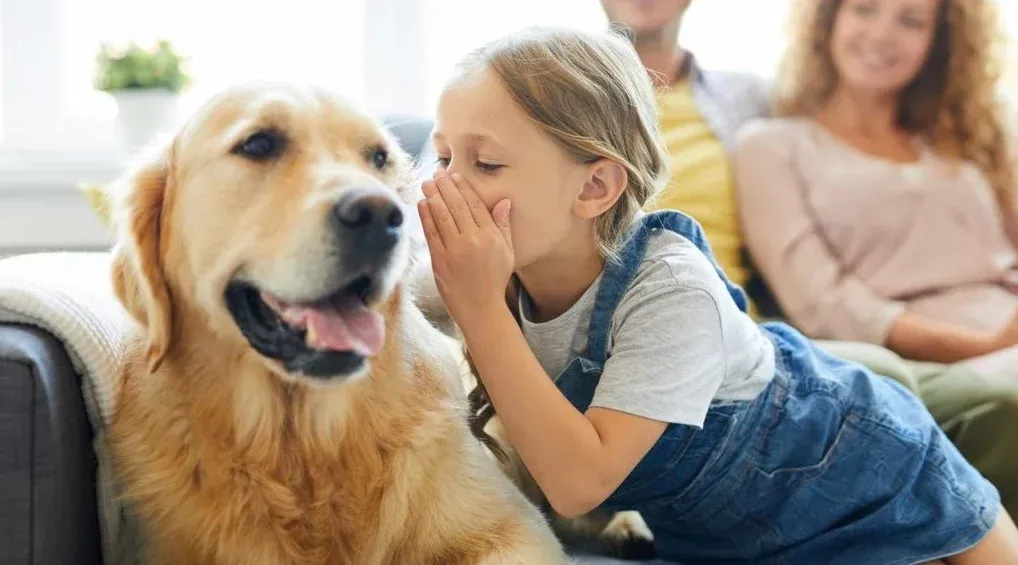
Scientists are getting closer to the long-standing dream of “talking to animals” with the help of artificial intelligence. However, the potentially revolutionary technology has raised serious concerns about animal privacy and the possibility of exploitation, according to the New York Post.
Experts warn that technologies capable of decoding animal communication could carry significant risks. While machine-learning models are paving the way for cataloging and even simulating the sounds animals use to communicate, some experts say a largely overlooked ethical concern is the invasion of animal privacy through the collection of data on their vocalizations and movements. Many animals have complex social lives, giving them an interest in controlling how they are perceived by others.
The ability to “communicate” with animals could also pose risks to the natural world, particularly through “playback” technology, which involves broadcasting recorded animal sounds in the wild.
Vittorio Baglioni, a biologist who has spent his career cataloging the calls of carrion crows, said AI models have helped him sort through recordings and identify patterns in specific calls, including an apparent “come help!” call used by crows to summon others to defend a nest. However, he warned that the technology could be exploited by hunters or others with malicious intentions to lure birds, potentially causing stress, disrupting their social environment or triggering conflicts among them.
César Rodríguez-Garavito, director of New York University's More-Than-Human Life program, likewise emphasized that playback technology remains controversial because it exploits an animal's trust in a particular sound to compel it to behave in a way desired by the user.
In a 2025 report, Rodríguez-Garavito noted that the technology could expose animals to crowds of humans seeking to communicate with them or even be used to weaponize animals against one another.
Previous research has also highlighted potential risks. Zoologist Katy Payne acknowledged in 2007 that she had caused considerable distress to an elephant by playing a recording of the voice of its deceased grandfather.
Despite these concerns, a $10 million prize remains available for a project capable of establishing communication with an animal without the animal realizing that it is communicating with humans.
Billionaire Jeremy Koller, who funds the Kohler-Dolittle Challenge, believes humans will achieve this goal within the current decade. He argues that the rapid pace of AI development gives him complete confidence that researchers will crack the code by 2030.