Blocking This One Protein Restores Aging Brains
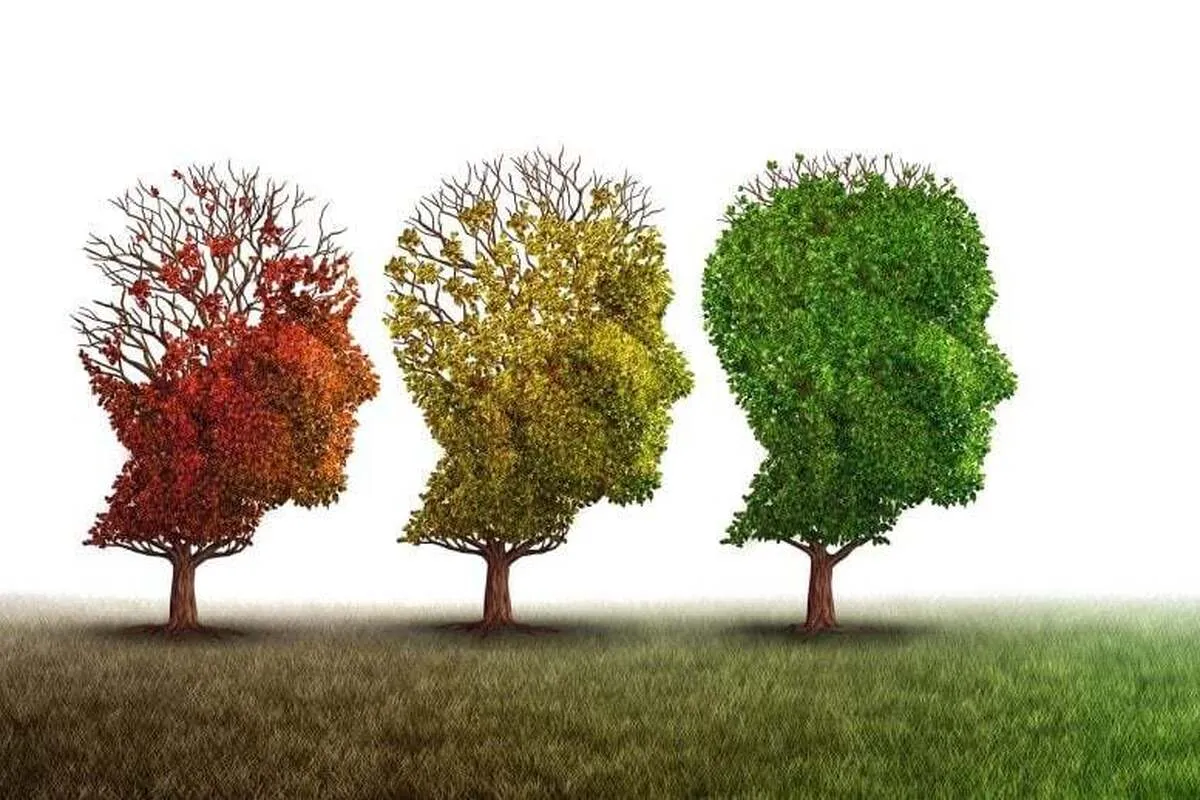
In aging mice, too much of this protein weakened memory and disrupted neural connections. But when scientists blocked FTL1, the mice’s brains regained youthful function, and their memory tests dramatically improved, the journal Nature Aging reported.
Aging takes a heavy toll on the hippocampus, the part of the brain that drives learning and memory.
Scientists at UC San Francisco have now pinpointed a single protein, FTL1, that appears to play a central role in this age-related decline.
By studying how genes and proteins in the hippocampus change over time in mice, the team found that only one stood out as consistently different between young and old animals: FTL1.
Older mice showed higher levels of FTL1, fewer connections between hippocampal neurons, and weaker memory performance. When researchers artificially boosted FTL1 in young mice, their brains and behavior quickly started to resemble those of much older animals.
In cell culture experiments, neurons engineered to produce large amounts of FTL1 developed abnormally. Instead of growing complex, branching neurites, they formed only simple, single-armed extensions.
When scientists reduced FTL1 in the hippocampus of aged mice, the results flipped. Their neurons made more connections, and the animals significantly improved on memory tests.
“It is truly a reversal of impairments,” said Saul Villeda, PhD, associate director of the UCSF Bakar Aging Research Institute and senior author of the paper, which appears in Nature Aging on August 19. “It’s much more than merely delaying or preventing symptoms.”
In old mice, FTL1 also slowed down metabolism in the cells of the hippocampus. But treating the cells with a compound that stimulates metabolism prevented these effects.
Villeda is optimistic that the work could lead to therapies that block the effects of FTL1 in the brain.
“We’re seeing more opportunities to alleviate the worst consequences of old age,” he said. “It’s a hopeful time to be working on the biology of aging.”
4155/v